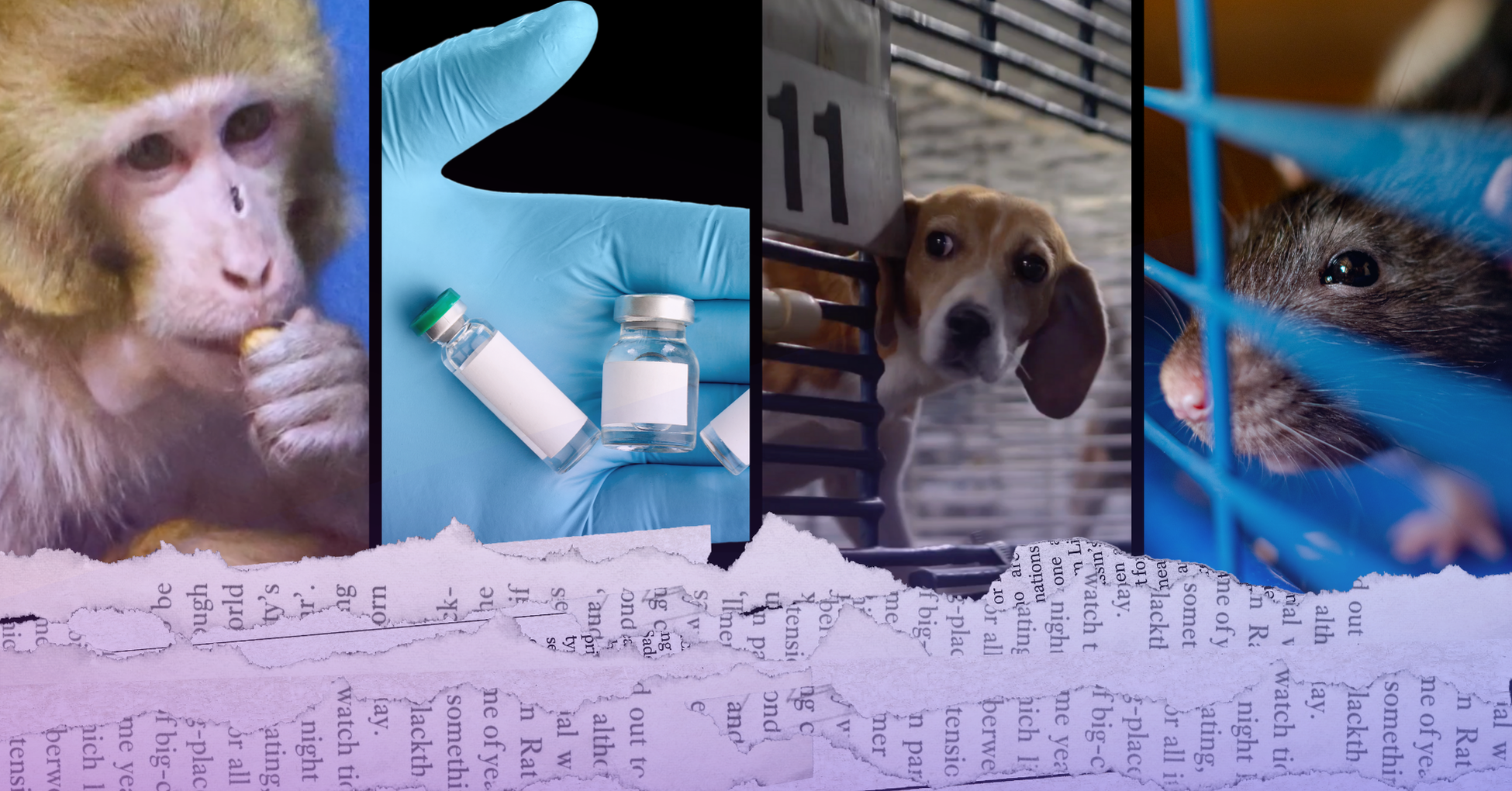
Here’s a roundup of the week’s biggest news stories related to animal research — all the recent media coverage you need to know right now to be the most effective activist for animals in labs.
 “Animal Research”: Animal Sacrifice By Another Name?
Rise for Animals, 12/4/2025
As Ridglan Farms prepares to shut down its dog breeding-and-selling operations, the disturbing reality of what its dogs have endured demands a closer look.
The system behind it all isn’t gone. Read on: 📰 Full Story →
 Editorial: The Guardian view on animal testing: we can stop sacrificing millions of lives for our own health
The Guardian, 11/23/2025
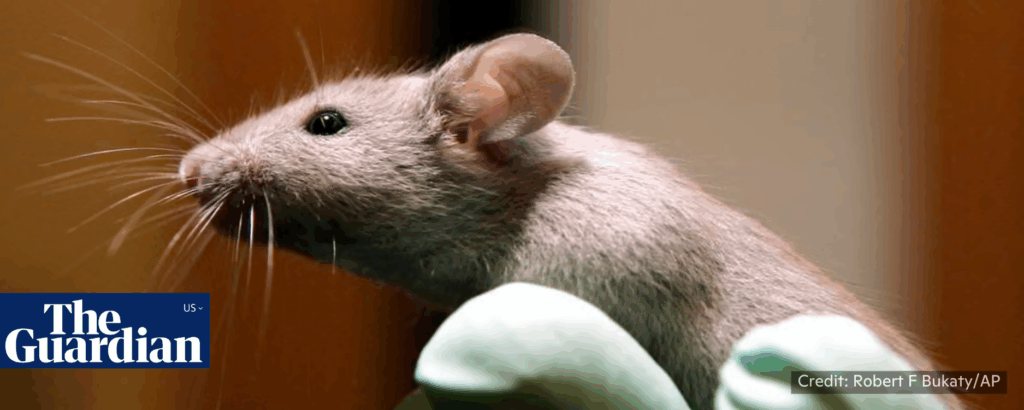
“Science is a slaughterhouse. We rarely acknowledge the degree to which animal life underwrites the research that provides us with medicines . . . Fortunately, there are emerging alternatives….”
“This is an opportunity for both scientific and economic progress. Animal testing is just cruel, it is expensive and time-consuming. The EU and US have similarly committed to reduce animal experimentation, so there will be rewards for developing technology and knowhow that can be applied worldwide. But most importantly, there is a moral imperative to free those animals. Previous governments reduced the number of so-called charismatic species — animals favoured by humans, such as dogs and horses — used in experiments. Today, 95% of lab animals in the UK are rodents, birds or fish. Do they not deserve the same consideration?” 📰 Full Story →
 Review Says Animal Testing May Not Be Appropriate for Evaluating Safety of Cultivated Foods
Cultivated X by vegconomist, 11/26/2025
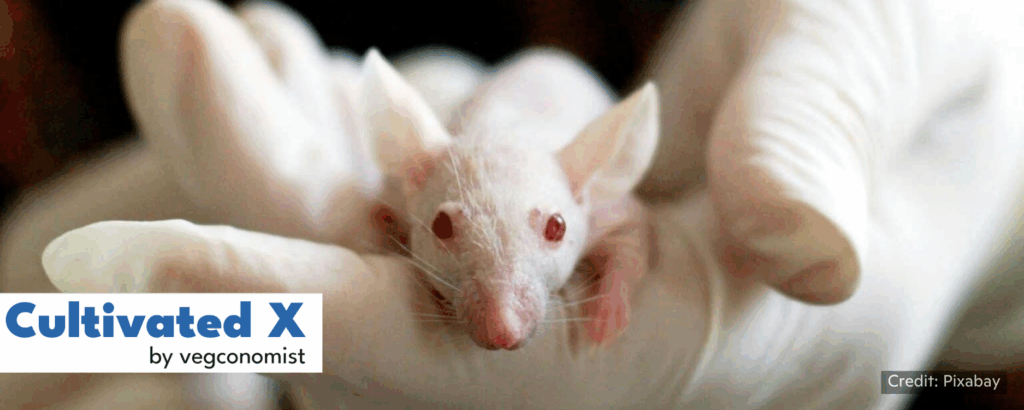
“The APAC Regulatory Coordination Forum has published a review paper evaluating whether whole-food animal toxicological studies are appropriate for testing the safety of cultivated foods and food ingredients. Scientists have reportedly raised concerns about the reliability, cost, time-intensiveness, and ethics surrounding long-term, whole-food animal feeding studies. Alternative, non-animal-based testing methods are claimed to provide more relevant, specific, timely, and humane solutions for safety evaluation.”
“‘This commentary highlights a growing consensus that traditional whole-food animal studies are often ill-suited for cultivated foods, and that modern evidence-based approaches offer a more meaningful path forward,’ said Dr. Kimberly J. Ong, Ph.D, a toxicologist at Vireo Advisors. ‘My hope is that this paper helps align industry and regulators around rigorous, science-driven frameworks that maintain high safety standards without relying on unnecessary animal testing.’” 📰 Full Story →
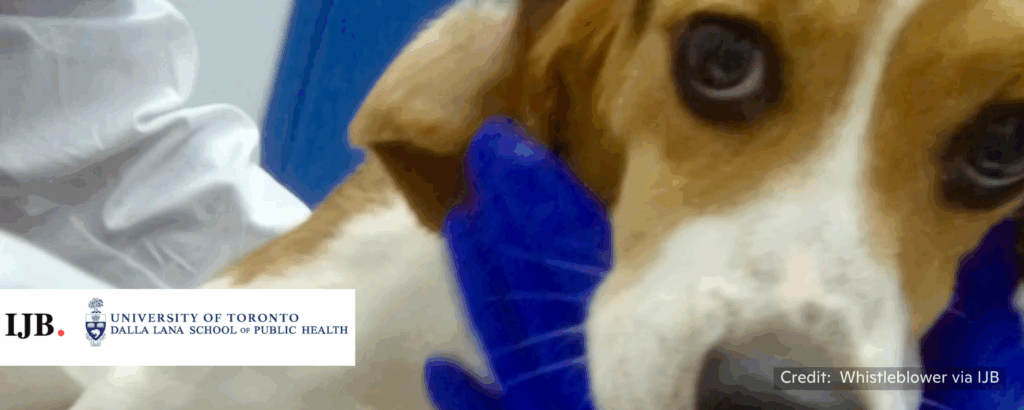 Surgeries without anesthesia, severed vocal cords: The dog farm supplying an Ontario lab
Stacey Kuznetsova & Robert Cribb, University of Toronto Dallas Lana School of Public Health – Investigative Journalism Bureau, 11/24/2025
“Scarborough, Ont.-based Nucro-Technics, which bills itself as Canada’s largest contract research facility, has repeatedly purchased test study dogs from Ridglan Farms, a large-scale breeder based in Wisconsin that recently agreed to surrender its licence to operate as a dog breeder amid a criminal investigation alleging brutal mistreatment of beagles. Nucro-Technics is now under review by the Canadian Council on Animal Care (CCAC), the national oversight body that sets standards for the care of animals used in scientific research.”
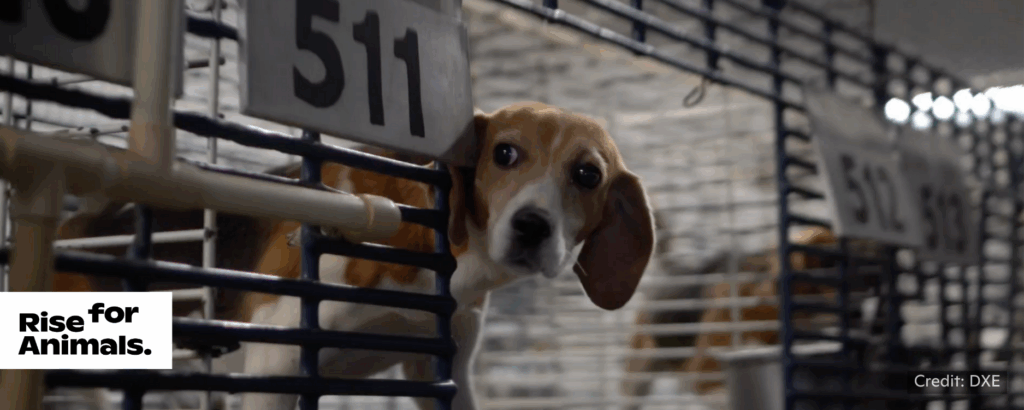
“Since 2013, Nucro-Technics has been purchasing dogs from Ridglan Farms despite ongoing allegations of animal cruelty. Published studies and months worth of hidden camera video obtained by the Investigative Journalism Bureau that a whistleblower says was secretly recorded in 2023 show the flow of dogs from Ridglan Farms to Nucro-Technics. The footage appears to show dogs arriving at the 60,000-square-foot Scarborough, Ont. facility in a truck marked ‘Ridglan Farms’ — almost five years after public allegations of abusive treatment against dogs at Ridglan first emerged.”
“Neither Ridglan nor Nucro-Technics have publicly commented on whether shipments of dogs to Canada have now stopped.” 📰 Full Story →
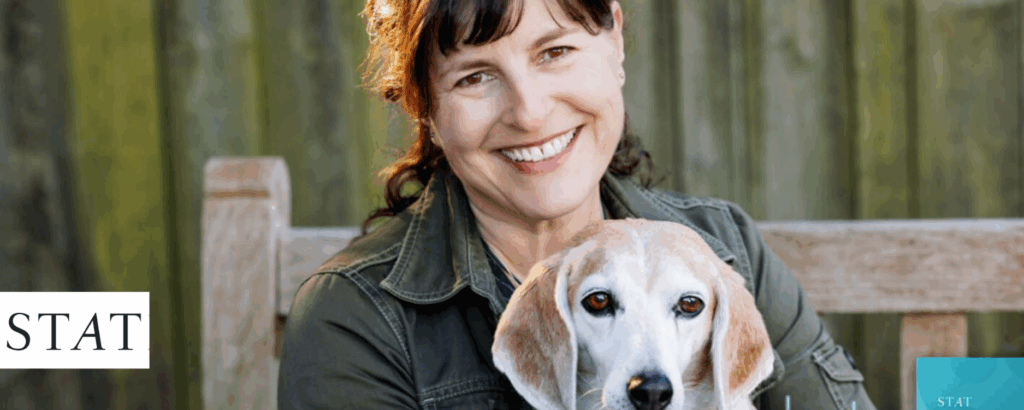 Why beagles are the No. 1 dog for medical research
Torie Bosch, STAT, 11/26/2025
“When you think about the animals used in scientific research, mice or monkeys might come to mind. But you should also think about beagles . . . I asked [science journalist Melanie D.G. Kaplan] why that is. ‘The pat answer I always heard was that because they’re docile and small and you can easily pick them up and they are pretty much happy to do whatever you want, which is not good news for the ones in the lab,’….”
“There’s another reason they are so often used in research, though: ‘After the Civil War, when beagles were brought over here from England … they were trying to breed a better beagle for hunting,’ Kaplan said. ‘And so when it came time to test for drugs and use animal models for that, it was, I think, a pretty obvious pivot to start breeding dogs for that. They already had this infrastructure of beagles and kennels and lots of breeding.’” 📰 Full Story →
 Industry reacts to passing of H.R. 5371
Cassandra Stern, Cosmetics Design USA, 11/25/2025
“A portion of the recently passed legislation modernizes FDA regulations on over-the-counter sunscreen ingredients, promoting innovation and non-animal testing methods, while enhancing safety and efficacy standards.”
“The law establishes new evidence and testing standards for topical active ingredients. It directs that the Secretary shall ‘utilize standards that allow for the use of real-world evidence, as appropriate, as part of a comprehensive evaluation of scientific evidence to demonstrate the safety and effectiveness of such active ingredients,’ according to the legislation. The FDA must also consider alternatives to animal testing….”
“Stakeholders across safety science say the updates could make sunscreen development more feasible for US manufacturers. Cosmetics Design spoke to industry expert Dr. Jane Yoo, who said the change is notable because ‘FDA now has to issue annual reports regarding the agency’s progress in allowing non-clinical testing alternatives to animal testing for the consideration of sunscreen active ingredients,’ adding that companies have faced substantial cost and feasibility concerns when relying on legacy testing requirements.”
“In a statement, industry association Personal Care Products Council (PCPC) said the legislation reinforces the importance of a modernized regulatory framework. The organization said its member companies ‘applaud the passage of H.R. 5371….’” 📰 Full Story →
 PETA’s federal complaint claims conflicts of interest on UW animal board; University denies allegations
Julia Dallas, MyNorthwest, 11/26/2025
“People for the Ethical Treatment of Animals (PETA) filed a federal complaint last week against the University of Washington (UW) regarding its animal welfare board, which the university has since refuted. PETA claimed UW’s Institutional Animal Care and Use Committee (IACUC) is filled with industry insiders, and, between 2020 and 2025, decided on roughly 1,500 animal experiments without valid authority.”
“‘After years of ultimately successful court battles to obtain the names of all individuals appointed to the federally required animal experiment oversight committee at the University of Washington (UW), PETA has found that the panel was stacked with industry insiders — showing brazen contempt for federal law and Public Health Service requirements,’ PETA wrote in a news release last week.”
“PETA’s complaint stated members of the IACUC are involved with the Northwest Association for Biomedical Research (NWABR), claiming its goal is to promote biomedical sciences, including experimentation on animals. ‘The people UW designated as “non-scientists” are longtime boosters of animal experimentation, which is not remotely what was intended by federal law, regulations, and the Public Health Service Policy on Humane Care and Use of Laboratory Animals….’” 📰 Full Story →
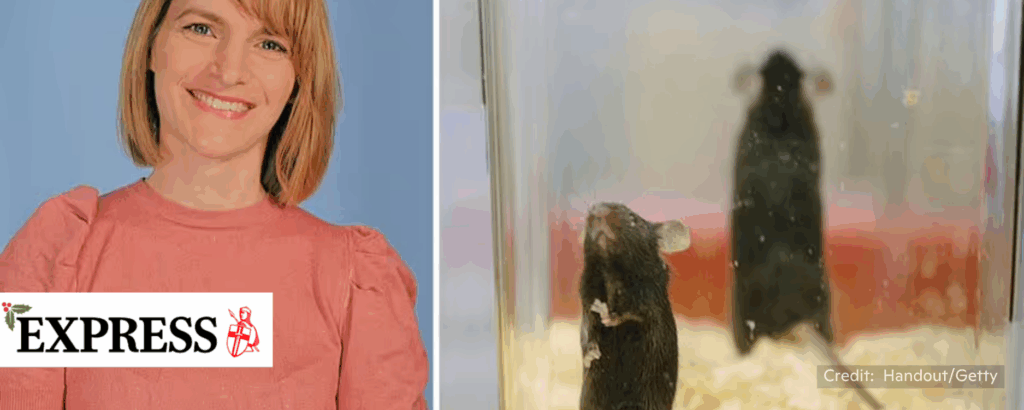 Opinion: Animal testing horror must end — decades of experiments have wasted resources
Dr. Julia Baines, Express, 11/28/2025
“After decades of campaigning, the tide is finally turning on the use of animals in laboratory experiments. The [UK] government – soon to be followed by the EU – has published its strategy to make such experiments a thing of the past . . . It’s a historic first but will it be enough?”
“The UK strategy must do more than eliminate tests where replacements already exist before the public can be assured this announcement isn’t a mere PR exercise. The strategy must drive out the use of animals who are used in vain attempts to model human diseases” and “must confront the entrenched bias toward animal use if the UK is to achieve a paradigm shift . . . Leaders can’t expect the strategy to be embraced unless it plans to overcome the outdated mindset that causes researchers to cling to animal use, ignoring how severely the entrenched attachment to animal use has impeded scientific advancement at the cost of funds and lives.” 📰 Full Story →
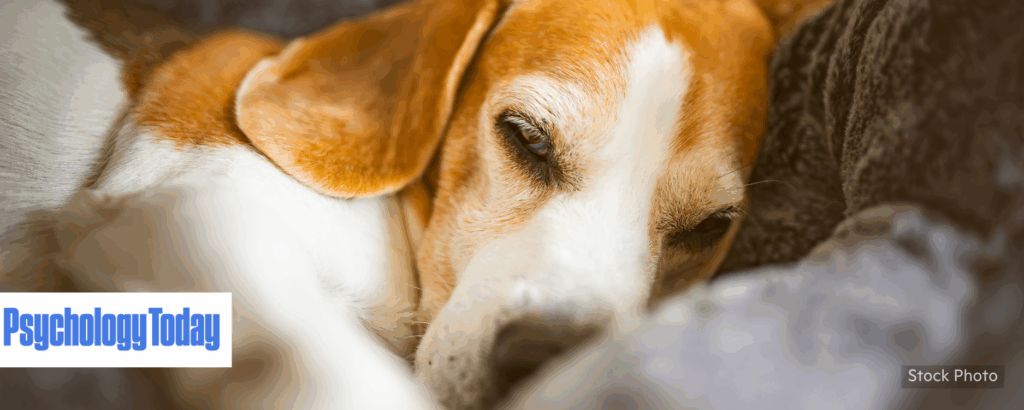 Lab Beagles: What Science and All of Us Owe to Research Dogs
Marc Bekoff, Psychology Today, 11/26/2025
“In his well-written and well-researched book [Lab Dog. What Global Science Owes American Beagles], Bolman ‘explains how the laboratory dog became a subject of intense focus for twentieth-century scientists and charts the beagle’s surprising trajectory through global science.’ He also ‘sheds new light on pivotal stories of twentieth-century science, including the Manhattan Project, tobacco controversies, contraceptive testing, and behavioral genetics research.’ These studies showed that dogs are intelligent sentient beings who deserve moral protection.”
“‘ . . . animal research is more than just “science”: there are always infused cultural assumptions, ideas about the human past and visions of our potential futures. Donna J. Harraway once argued that science is storytelling—which doesn’t mean it’s false—and it’s vital to recognize this even if you don’t support animal experimentation, because the persuasiveness of animal studies explains some of their longevity.’”
“‘We have become extremely sentimental about dogs, myself included: I love my dog, Laszlo, and flinch at fake animal violence in media. But this “reflex sentimentality,” to give it a name, can get in the way of thinking deeply about how to create a better world for dogs and ourselves. Lab Dog is, in part, a history of this reflex sentimentality: how did we go from seeing dogs mostly as useful tools to complexly sentient companions who need a daily anti-aging pill? One answer is that scientific research with dogs produced many of the insights that undermined support for further scientific research with dogs. That’s an interesting paradox, and it’s one that challenges easy assumptions about the value of animal studies.’” 📰 Full Story →
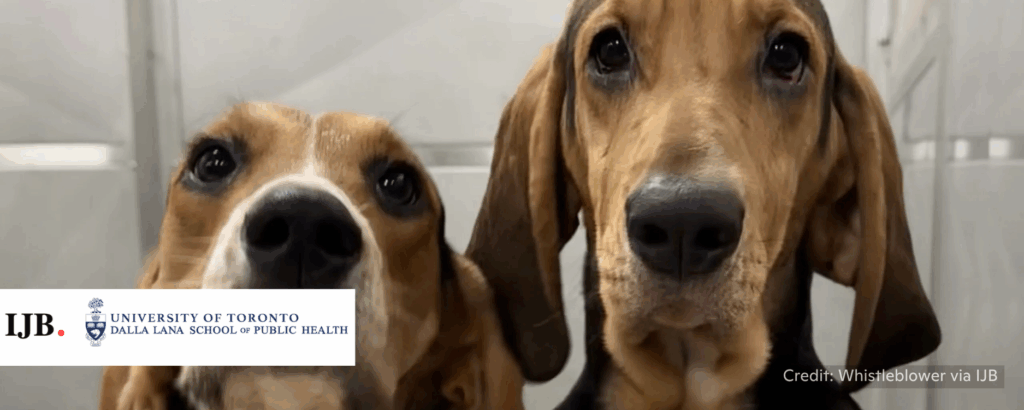 IJB Gets Action: Ontario unveils legislation to restrict invasive medical research on dogs and cats
Robert Cribb, Jenna Olsen, & Stacey Kuznetsova, University of Toronto Dallas Lana School of Public Health – Investigative Journalism Bureau, 11/27/2025
“The Ontario government has introduced draft legislation that aims to restrict invasive medical research on dogs and cats. It is the first proposed law of its kind in Canada, triggered by an Investigative Journalism Bureau investigation in August that detailed cardiac research on dogs inside St. Joseph’s Hospital in London. The research involved inducing hours-long heart attacks in puppies.”
“If passed, the proposed legislation would restrict the practice of invasive experimentation on dogs and cats, except for specified purposes such as veterinary research. The bill also prohibits breeding cats or dogs in Ontario for research purposes . . . The legislation would also ban ‘medically unnecessary’ procedures performed for cosmetic purposes or convenience, such as removing vocal cords or declawing. The types of permitted invasive procedures will be outlined in future regulations.”
“Some experts and animal rights advocates are concerned that the legislation focuses on dogs and cats, rather than all species that can feel comparable pain. ‘Surely what should matter, from an ethical perspective, is a particular animal’s level of development, such as whether it can experience pain and suffering, not whether politicians have them as pets at home,’ said Udo Schüklenk, a professor of philosophy at Queen’s University and the Ontario Research Chair in Bioethics.” 📰 Full Story →
 Scientists seek to lift ban on lab animals on flights
Kamalakara Rao, The Hindu, 11/30/2025
“‘Scientists who experiment on laboratory animals face difficulties owing to the ban on taking such animals on flights,’ said Vijay Pal Singh, president of Laboratory Animal Scientists Association (LASA-India). He said that since this is currently a major challenge in drug discovery research in the country, scientists, including the LASA executive body, are trying to end the ban, which, according to sources, was instituted by airline operators in June 2024.” 📰 Full Story →
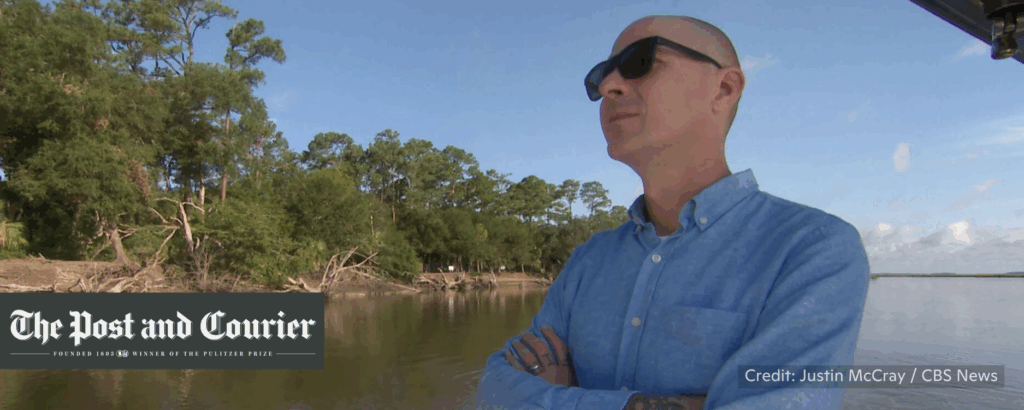 CDC decision to end monkey tests in federal research could impact SC
Marilyn W. Thompson, The Post and Courier, 11/30/2025
“ . . . Secretary of Health and Human Services Robert F. Kennedy Jr. abruptly issued a directive recently that many experts consider a seismic shift in federal policy . . . Kennedy instructed the Centers for Disease Control, the nation’s premier public health agency, to end all in-house primate testing by year’s end. Kennedy’s directive quickly cast doubt on the future of monkey experiments across the federal health ecosystem . . . The agency said in a statement that Kennedy’s decision sprang from a ‘thorough review of CDC animal research to ensure alignment with HHS and CDC’s public health mission.’”
“[Alpha Genesis] has a longstanding relationship with the CDC, which regulates monkeys quarantined at the monkey farm after they arrive from foreign countries . . . The CDC also bought Alpha Genesis primates for use in its Atlanta laboratories, according to federal spending records. In at least one case, agency scientists injected monkeys with the deadly Zika virus at a laboratory on AGI’s campus which is rented out to customers, according to a research paper. The CDC paid about $177,000 for 20 rhesus monkeys it bought from AGI during the pandemic.” 📰 Full Story →
 2024 Animal Testing Data Reveals Alarming Growth & Suffering
Animal Justice, 12/1/2025
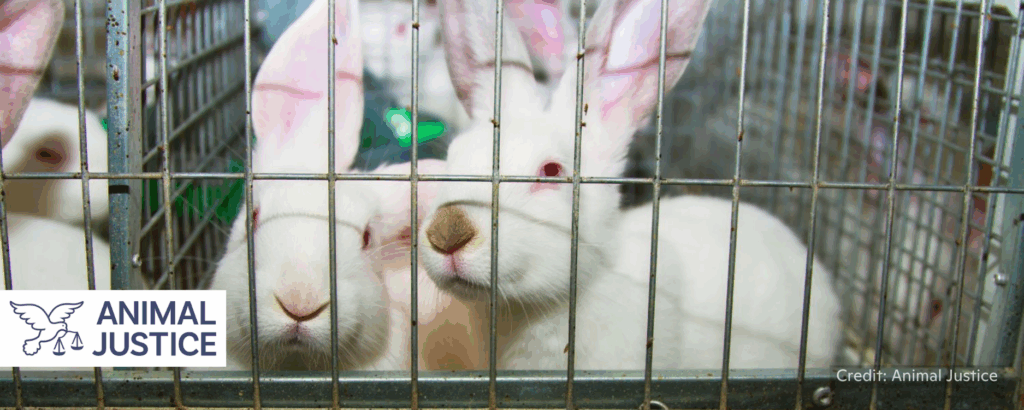
“According to newly released animal testing data, over 3.7 million animals were used in Canada in 2024, an alarming 18.5 percent increase from 2023. The experiments were also more painful, with a higher number of animals involved in procedures classified as causing severe pain or distress. This rise in animal use highlights Canada’s slow and troubling lack of progress toward more modern, non-animal research methods.”
“While CCAC reporting gives an idea of the scale of animal testing in Canada, it doesn’t capture the full picture. Participation in the CCAC is voluntary, and private labs have no obligation to report their data, meaning the true number of animals who suffer for research is likely much higher.” 📰 Full Story →
 US FDA moves to curtail primate testing in drug trials
Reuters, 12/2/2025
“The U.S. Food and Drug Administration on Tuesday issued new draft guidance on reducing the use of lab monkeys in preclinical toxicity studies for certain monoclonal antibodies. The agency said the shift would help cut development times and reduce research and development costs, which could translate into lower drug prices.”
”A typical preclinical program for a monoclonal antibody could involve more than 100 non-human primates, at a cost of roughly $50,000 per animal, the agency said. The FDA said toxicity testing on primates that can last up to six months can now be reduced or eliminated, and that it is incorporating other types of risk assessments into its decision-making. ‘Modern science has given us far more effective and humane ways of evaluating drug safety than animal testing,’ FDA Commissioner Marty Makary said in a statement.” 📰 Full Story →
 Former lab monkey finds new home at New Jersey animal refuge after surviving truck crash
Eyewitness News, ABC7, 12/2/2025
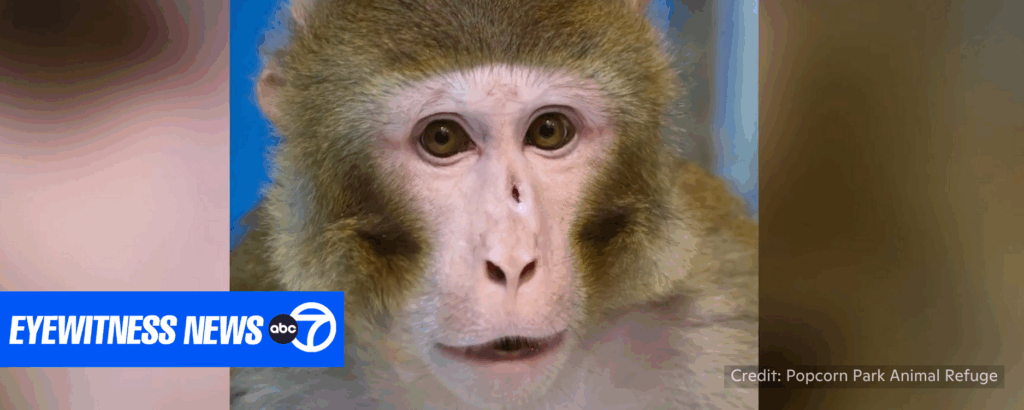
“An animal refuge in Ocean County, New Jersey is giving a former laboratory animal a new home after it survived a truck crash. Forrest, a rhesus macaque, was one of 21 monkeys being transported for biomedical research when the truck carrying them overturned on an interstate in Mississippi. Several monkeys escaped as a result of the crash. Of three remaining escapees, Forrest was the last and only one to survive. He was safely recovered after spending nearly a week on the run. ”
“When Forrest first arrived at the refuge, he had no name and only a tattooed identification number. Since then, he has steadily acclimated to his new home in the refuge’s monkey house. According to refuge officials, Forrest has gradually built trust with his caretakers and fellow monkeys, and has discovered some of his new favorite foods, including grapes. Forrest has even begun vocalizing, which officials say is a positive sign that he is becoming more comfortable and confident in his new surroundings.” 📰 Full Story →
 CDC’s End of Primate Experiments Must Include Rehoming Plan
Cruelty Free International, 12/3/2025
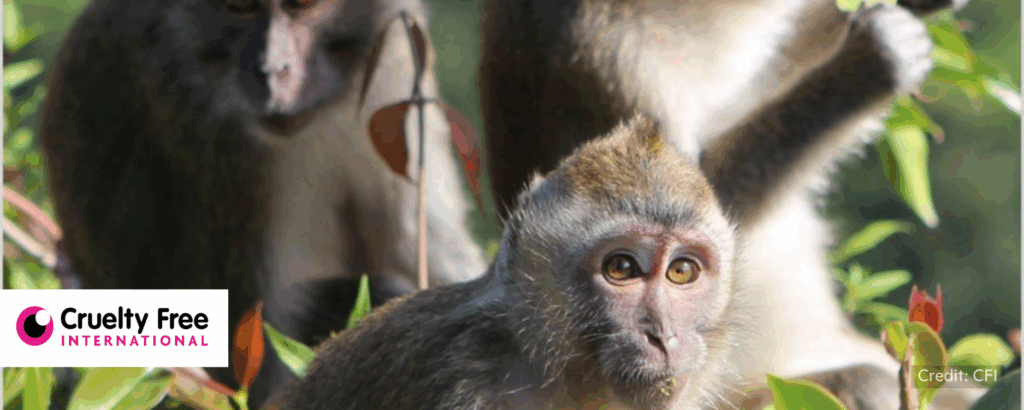
“We are calling on the U.S. Congress to fund care for the estimated 200 primates who will no longer be used in research following the news that the U.S. Centers for Disease Control and Prevention (CDC) will phase-out its use of monkeys. We also want to see permanent sanctuary placements for all non-human primates who are released from federally funded research.”
“‘The broader discussion over the use of primates in science may take years to resolve, but there is a clear and immediate step we can take now: ensuring that primates used in taxpayer funded research are given the chance for peaceful post-research lives. Providing these opportunities is the right thing to do and delivers an immediate, tangible change to individual animals’ lives.’” 📰 Full Story →
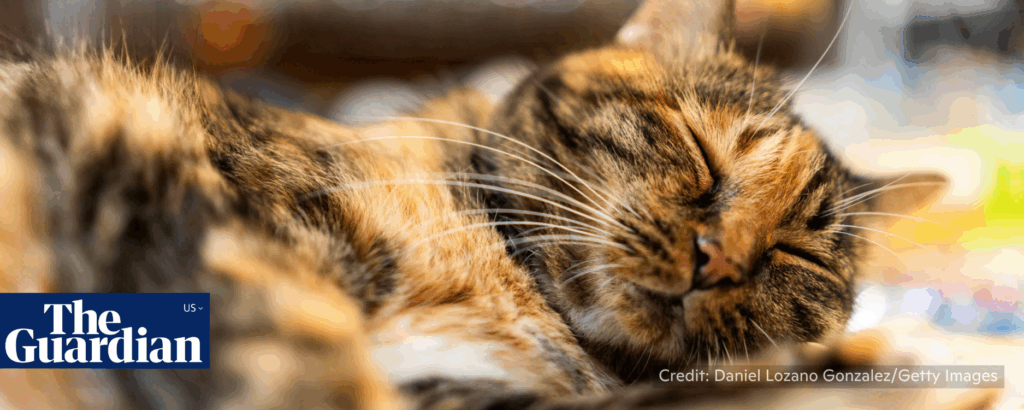 NIH funds new cat experiments despite pledge to phase them out, watchdog reports
Claire Colley, The Guardian, 12/3/2025
“The US National Institutes of Health is continuing to fund new laboratory experiments on cats despite saying that they are ‘working tirelessly’ to ‘phase out’ such projects.”
“New grants include $486,000 to study blood flow in the brain after stroke. In the study 60 kittens will have portions of their skulls removed, have viruses injected into their brains, are paralysed and have strokes induced. They undergo brain imaging before being killed. Another, investigating gene therapy for human glaucoma, received a grant of $439,000. Three-month-old ‘mutant’ kittens bred with glaucoma, are injected in the eye with viruses, restrained for examination and killed. Their eyes are then removed for dissection.”
“ . . . the NIH has extended seven cat studies since July with grants totalling almost $572,000. Total lifetime funding for these experiments is $38m. Extended studies include one measuring limb coordination after injury. Thirty cats have their spinal cord cut and are forced to walk on treadmills to measure coordination mechanisms.” 📰 Full Story →
 ‘I rescued beautiful puppies from a life of hell’: 2 Londoners on trial over ‘Beagle breeding burglary’
Callum Cuddeford, MyLondon, 12/4/2025
“An East London man told police ‘I rescued as many beautiful Beagle puppies as I could from a life of hell’ after a break-in at a facility that breeds dogs for animal testing, a court heard. Ben Newman, 35, from Hackney, is one of 18 people accused of being part of a burglary involving activists from Animal Rising, formerly Animal Rebellion, after 20 dogs were taken from MBR Acres in Cambridgeshire in December 2022.”
“Footage played to jurors this week appeared to show activists – wearing pink t-shirts that said ‘What would you do if this was your dog?’ – kissing and cradling pups as they passed them up a ladder and over a fence under the cover of darkness.” 📰 Full Story →
 Government move could criminalise protests against animal testing, warns Camp Beagle
John Elworthy, cambsnews.co.uk, 12/4/2025
“Animal rights group Camp Beagle has raised the alarm over a proposed change to the Public Order Act 2023, warning it could criminalise peaceful protests against animal testing across the UK. The group, based outside MBR at Wyton near Huntingdon, says the move represents a direct threat to public scrutiny of laboratories, pharmaceutical companies, and university research facilities where live animals are used.”
“The warning comes after Minister of State for Policing and Crime, Sarah Jones, sent a letter to Dame Chi Onwurah, Chair of the Science, Innovation and Technology Committee, confirming plans to amend Section 7 of the Public Order Act 2023. The change would add the Life Sciences sector to the list of Key National Infrastructure (KNI), a designation previously reserved for roads, rail, airports, harbours, oil and gas, onshore electricity generation, and newspaper printing. Camp Beagle warns that the consequences could be severe for activists.”
“‘They are getting ready to alter the Public Order Act 2023 to ensure animal testing facilities are not open to public scrutiny. This is about protecting an industry, not protecting the public.’ The amendment would make it a criminal offence to interfere with the operations of Life Sciences facilities, including acts that ‘prevent or significantly delay’ research. Those convicted could face up to 12 months in prison, an unlimited fine, or both . . . The group warns that even small-scale, peaceful protests could be treated as criminal interference.” 📰 Full Story →
Share this news compilation on X or Bluesky.
Or copy, paste, and share this link on Facebook or anywhere else:
riseforanimals.org/news/news-dec-5-2025