Here’s a roundup of the latest, biggest news stories related to animal research—all the recent media coverage you need to know right now to be the most effective activist for animals in labs.
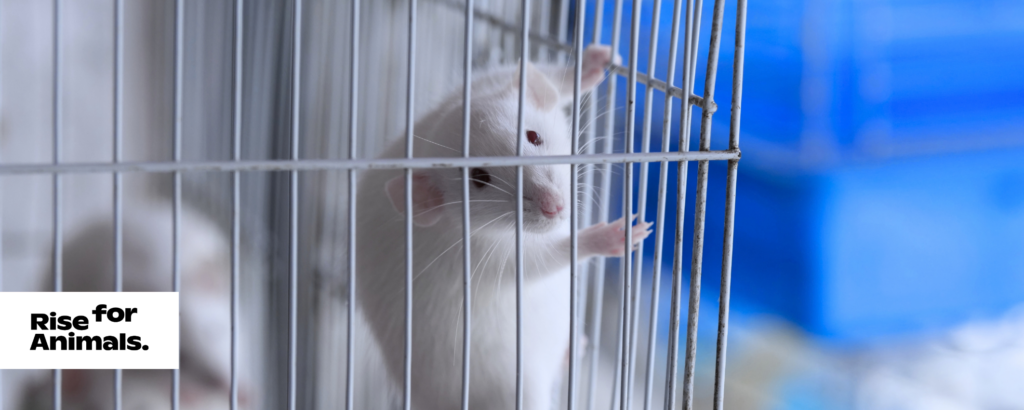
NIH Is Investing in NAMs, But Will Animals Be Spared?
Lindsay Soffes, Rise for Animals, 10/6/2026
The NIH is investing millions in human-relevant research. That’s good news.
But new approach methodologies (NAMs) don’t automatically mean fewer animals in labs—and the NIH still doesn’t even know how many animals its funding is used to exploit.
So how will we know whether animals are actually being spared? 📰 Full Story →
COYOTE VS. ACME Puts Vivisection on Trial
Lindsay Soffes, Rise for Animals, 10/8/2026
The new film turns Wile E. Coyote’s lifelong suffering into something unexpectedly familiar: a story about animal testing, corporate power, and what it takes to fight back. 📰 Full Story →
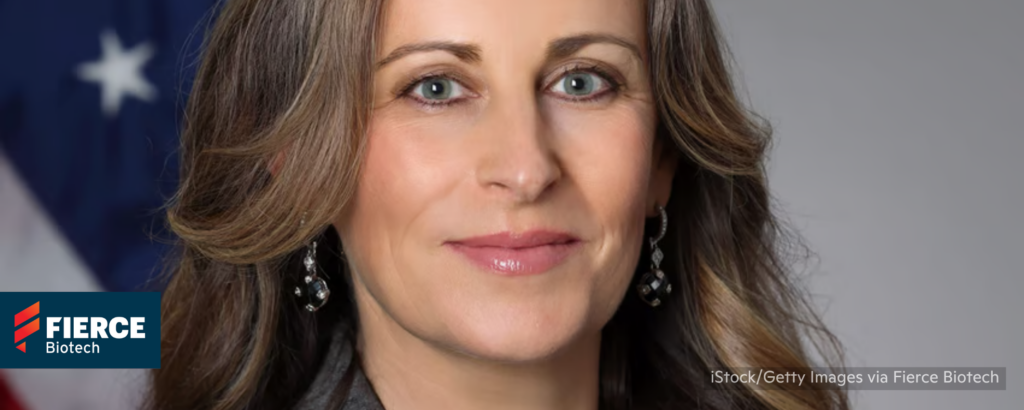
How NIH’s Nicole Kleinstreuer is working to reduce animal testing while avoiding a ‘backlash’
Marissa Russo, Fierce Biotech, 10/6/2026
“The new wave of NAMs arrived in April 2025 when the FDA first announced an initiative to move away from requiring animal models for investigational new drug applications for new monoclonal antibodies and some other drug candidates. The NIH joined the bandwagon shortly after, announcing initiatives to prioritize human-based research technologies such as organ-on-a-chip and computational models, among other real-world data-based techniques. The NIH and FDA then hosted a joint workshop on reducing animal testing in July 2025. . . . ‘I think what we’re seeing is an unprecedented level of cooperation and collaboration between agencies right now,’ Kleinstreuer said. ‘The FDA and the NIH are working together extremely closely.’”
“Another strategy employed by the organization has been awarding contracts to incentivize the shift away from animal testing. . . . The idea is to support regulatory bodies, such as the FDA, as well as clinicians and scientists in academia and industry, in developing standardized organoid models for preclinical testing of potential new drugs, thereby reducing reliance on animal modelling. The initial focus will be on organoids, which are lab-grown mini-tissue models designed to mimic human organs like the liver, lung, heart and intestine—with plans to expand to other organs down the line.”
“In the past, Kleinstreuer has received death threats on social media from activists pressuring her to push ahead faster with the animal testing phase-out. She told Fierce that she knows this shift to reduce animal testing is a long road, and it’s important to resist the temptation to drive through the changes too quickly. ‘It’s certainly, you know, easier to try and claim that we should just turn everything off overnight,’ Kleinstreuer said. ‘But, unfortunately, that would not be sustainable. We would suffer severe backlash, both from a scientific and a patient advocacy perspective.’” 📰 Full Story →
Federal reports show violations at UW-Madison primate research center
Corrinne Hess, Wisconsin Public Radio, 10/6/2026
“A national animal welfare group says federal documents show repeated incidents of monkeys suffering at the University of Wisconsin-Madison’s National Primate Research Center. . . . Eight monkeys did not receive post-experiment pain medication as required, according to NAVS’s third annual Laboratory Animal Care Audit, which uses data from welfare violations documented by the United States Department of Agriculture.”
“Along with the issues cited by NAVS on veterinary care, pain medication and unsafe conditions, the USDA inspection found monkeys at UW-Madison were injured after an enclosure divider was left unlocked; a marmoset required surgery after injuring a finger in a cage gap; and a macaque was injured because its enclosure was broken.” 📰 Full Story →
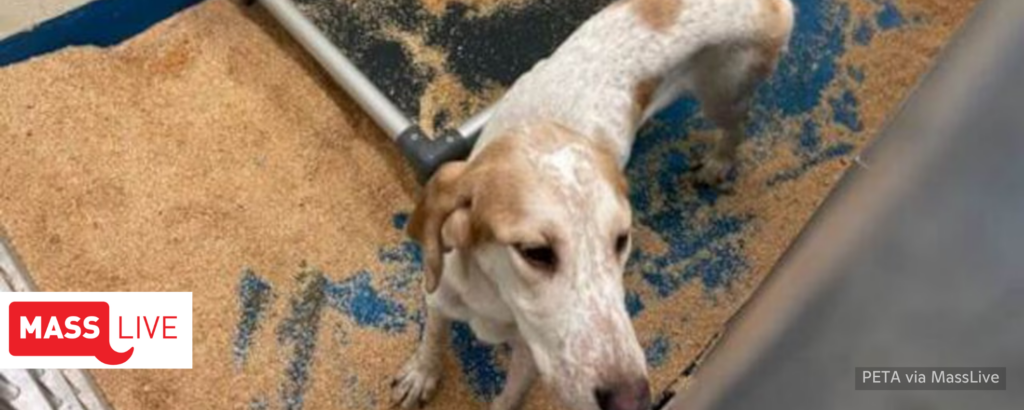
Animal rights group files lawsuits against UMass campuses
Aprell May Munford, MassLive, 10/6/2026
“Arguing that the public has a right to know who oversees animal experimentation at public universities, People for the Ethical Treatment of Animals filed lawsuits [] against the University of Massachusetts Amherst and the University of Massachusetts Chan Medical School over records related to animal research oversight. At the center of the dispute are Institutional Animal Care and Use Committees, the panels charged with approving animal research at the universities and ensuring compliance with federal welfare standards. The animal rights organization argues the public cannot determine whether the committees are properly constituted without knowing who serves on them, while the universities have cited public record exemptions to withhold names and other information.”
“The lawsuits, filed in Suffolk Superior Court [], seek the release of committee members’ identities, meeting notices, agendas, minutes and other records related to the oversight of animal research at the two universities.” 📰 Full Story →
Taxpayer-Funded Cat Pipeline Exposes Animal Dealer That Supplied Animals for COVID and Virus Experiments at Cornell and Colorado State
Cassandra MacDonald, Gateway Pundit, 10/3/2026
“White Coat Waste’s latest investigation identifies Clinvet as a Class B dealer and research facility with ties to Marshall BioResources, one of the country’s largest commercial breeders of dogs and cats for laboratories. Shipping and donation records show Clinvet has supplied cats that ended up in COVID and feline immunodeficiency virus studies paid for by the National Institutes of Health and the U.S. Department of Agriculture.”
“At Cornell University, Clinvet donated cats for experiments in which researchers infected healthy animals with COVID, isolated them, and monitored them as they became sick. . . . White Coat Waste says nearly $1.6 million was sub-awarded to Cornell from a National Institute of Allergy and Infectious Diseases grant for the work. A separate $650,000 USDA grant for the same experiments was extended in May 2026 and now runs through May 2027.”
“ . . . records obtained through an open records request show Clinvet transferred 45 cats to Colorado State University in May 2026. . . . The university’s protocol allows experimenters to surgically remove fetuses from pregnant cats and kill them for diagnostic assays. Mothers can be put through the procedure up to three times, with six months between surgeries. Kittens from the colony can be shipped to outside labs. . . . A separate NIAID-funded project at CSU, totaling $406,846, infected cats with viruses and then killed and dissected them.” 📰 Full Story →
Beagle Bill advances with adoption protections for lab animals
Staff Reports, LocalNews1.org, 10/7/2026
“Dogs and cats used in Pennsylvania research laboratories would have a path to adoption under legislation that cleared the state House Judiciary Committee unanimously and now awaits consideration by the full House. Senate Bill 381, known as the Beagle Bill, would require laboratories to make dogs and cats available for adoption after their use in research ends. The amended measure also would prohibit the sale of cosmetics tested on dogs and cats.”
“The committee’s approval followed changes to the version the Senate unanimously passed in September 2025. Those amendments drew criticism from Rep. Rob Kauffman, R-Franklin, the committee’s minority chairman, who nevertheless voted to advance the measure. . . . Rep. Tim Briggs, D-Montgomery, the committee’s majority chairman, defended the revisions, saying they balance animal welfare concerns with the interests of the biosciences industry.” 📰 Full Story →
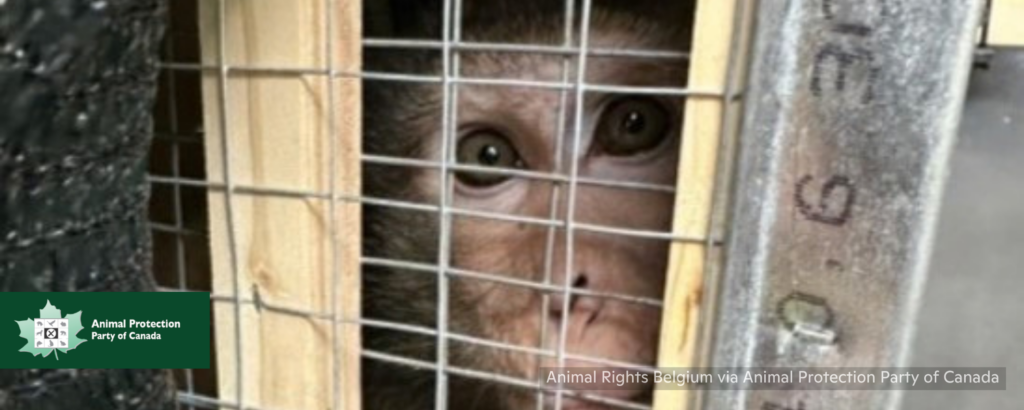
Why Canada Isn’t Stopping Endangered Macaque Imports — And Why We Must Keep Pushing
Bianca Del Bois, Animal Protection Party of Canada, 10/1/2026
“Shipments of endangered macaques keep arriving in Canada, and supporters are asking the obvious question: Why isn’t the government stopping this? The answer is uncomfortable: Canada’s animal research system was built to protect industry, not animals. Universities, pharmaceutical companies, and contract research organizations continue to use non-human primates for biomedical testing — not because they must, but because it is the model they have chosen to build their programs around. They lobby to preserve that access, and government defers, treating the sector as economically important regardless of whether Canadians actually support experimenting on primates.”
“Charles River Laboratories is the largest importer of long‑tailed macaques for research in Canada — and it profits at both ends of the pipeline. It not only experiments on primates; it owns and operates the overseas breeding farms that supply them, giving it a direct commercial stake in keeping the imports flowing. It also sits inside the body that sets the rules. Charles River is represented within the Canadian Council on Animal Care (CCAC) — the organization responsible for Canada’s animal-research standards . . . The structural problem is that the companies profiting from animal research help write and administer the very standards meant to govern it.”
“Macaque imports continue for three connected reasons: industry holds disproportionate influence, the oversight bodies are entangled with the institutions they assess, and government defers instead of investigating.” 📰 Full Story →
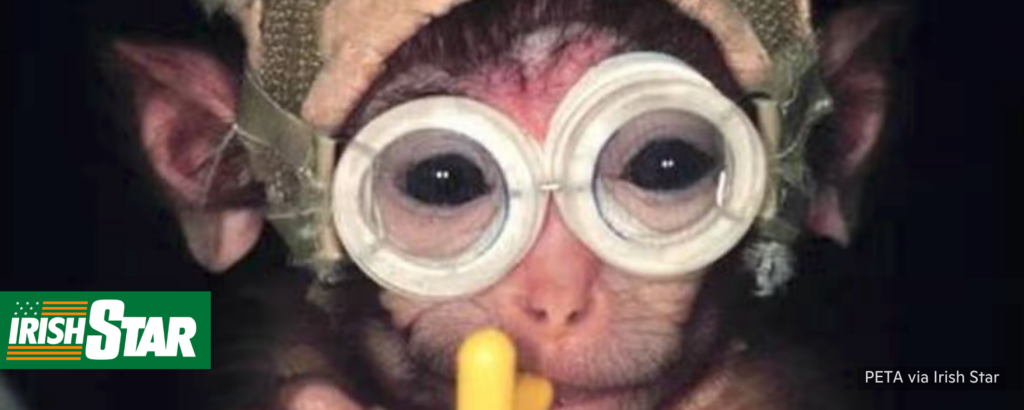
Scientist accused of ‘slicing baby monkeys’ eyes’ says ‘I have to do this’
Tom McGhie & Brigid Brown, Irish Star, 10/3/2026
“University of Washington ‘experimenter’ Mark Walton has allegedly dedicated nearly three decades and millions in taxpayer funds to torturing monkeys for scientific research, according to PETA. This allegedly involves slicing the tendons in baby monkeys’ eyes, or compelling them to wear vision-distorting goggles for the first three months of their lives, the organization claims. Walton operates in laboratories where students attend and study, and obtains the primates from the Washington National Primate Research Centre (WNPRC)….”
“‘Once the monkeys are older, Walton’s laboratory slices open their skulls, installs invasive recording chambers, and inserts metal coils inside their eyes.’ ‘They strap the monkeys into chairs and use the metal post that is screwed to their skull to keep them from moving.’ ‘He places the restrained monkeys in a room without any light and shines a laser dot on a screen and “rewards” the monkeys with drops of applesauce if they look at it.’”
“In response, Walton maintained he ‘has to carry out these experiments’ to secure funding for his laboratory. He said, ‘I have to publish papers to stay funded, and there is the risk of my lab space getting [taken] away if I never run experiments.’” 📰 Full Story →
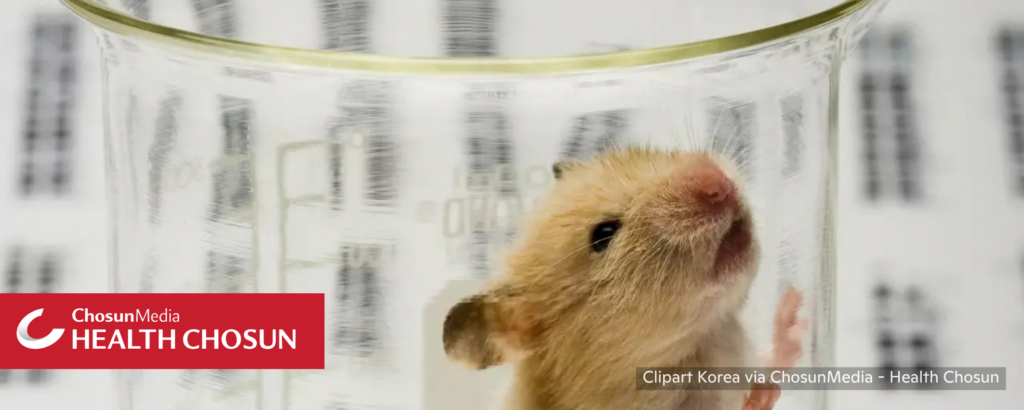
Animal Testing Remains Widespread in Industry as 14.9 Million Laboratory Animals Used From 2021 to 2025
Lee Hae Rim, Chosun Media, 10/7/2026
“According to data on the ‘Domestic Use of Laboratory Animals’ submitted by [South Korea’s] Ministry of Food and Drug Safety . . . a total of 14,913,427 laboratory animals were used at animal testing facilities under the jurisdiction of the MFDS from 2021 to 2025.”
“The animal used most frequently in testing was the mouse. A total of 13,374,183 mice, mouse, were used, accounting for 89.7% of the total. They were followed by ▲1,014,550 rats, rat, 6.8%, ▲244,383 guinea pigs, 1.6%, ▲108,150 rabbits, 0.7%, and ▲29,552 dogs, 0.2%.”
“The most common purpose was pharmaceutical-related testing, which accounted for 91.6% of the total, or 2,746,118 animals. A total of 91,376 animals were used in the food sector, 156,687 for medical devices, and 3,545 for cosmetics. Although cosmetics ranked last in absolute terms, the increase in laboratory-animal use from 2024 to 2025 reached 29.9%.” 📰 Full Story →
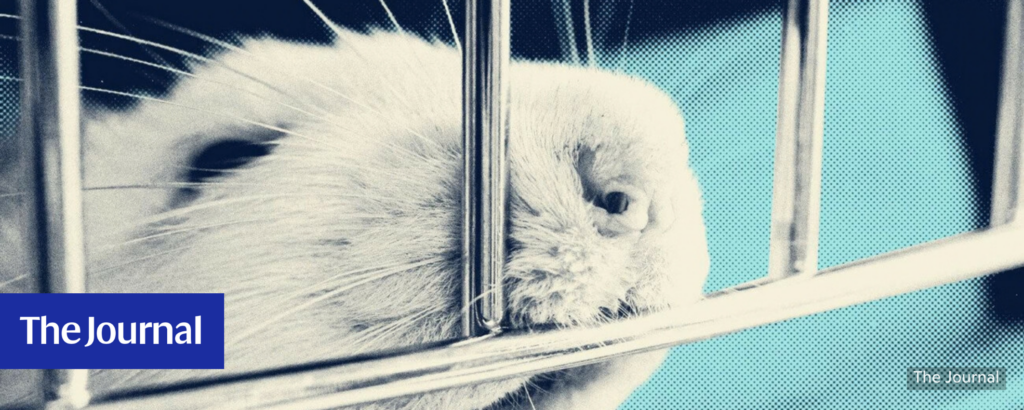
Irish universities paid hundreds of thousands for invasive animal experiments abroad
Patricia Devlin, The Journal, 10/8/2026
“Irish universities have outsourced animal testing to overseas labs beyond the oversight of Ireland’s regulator. The universities have spent hundreds of thousands of euros in recent years on the animal experiments, and refused to release key documents to our journalists when we tried to uncover the full details of the tests.”
“Anti-vivisection campaigners have described the practices as ‘outsourcing cruelty beyond the EU’ and called for institutions to be prevented from commissioning overseas experiments that would not be permitted under EU rules. . . . The Journal Investigates identified 17 studies for Irish universities that were conducted outside the EU between 2020 and 2026. Linked to research into diabetes, cardiovascular disease, cancer and women’s health, the experiments involved pigs, sheep, rabbits, chinchillas, mice and rats. The studies were carried out at facilities in the United States (US), India and Malaysia.”
“In one outsourced study, carried out in the US, mice had folds of skin repeatedly compressed between magnets. In others, sheep had their ovaries removed, rabbits had veins in their eyes deliberately blocked and chinchillas had their eardrums perforated.” 📰 Full Story →