Here’s a roundup of the latest, biggest news stories related to animal research—all the recent media coverage you need to know right now to be the most effective activist for animals in labs.
The Industry Is Fighting for Control of CDC’s Monkeys
Lindsey Soffes, Rise for Animals, 7/8/2026
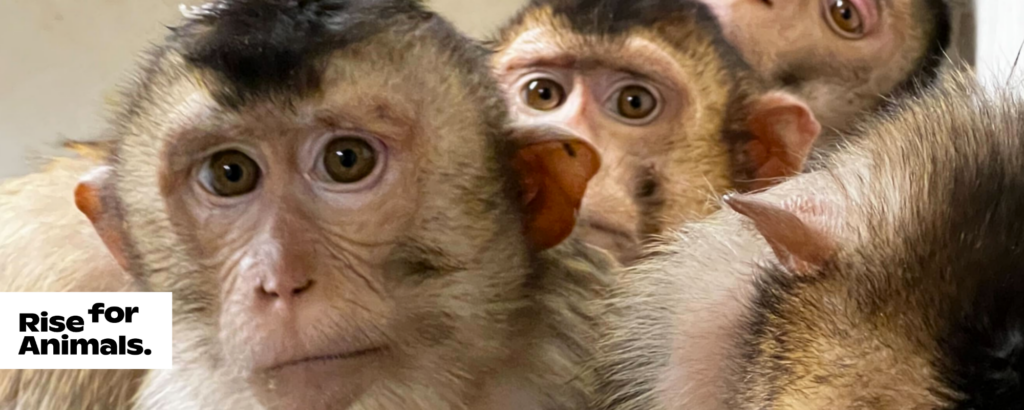
The CDC is planning to retire its monkeys from research to sanctuary, but the animal research industry is fighting to keep the animals within the research pipeline under the guise of “retirement.” 📰 Full Story →
Thousands of Cats and Kittens Are Suffering in U.S. Labs
Rise for Animals, 7/9/2026
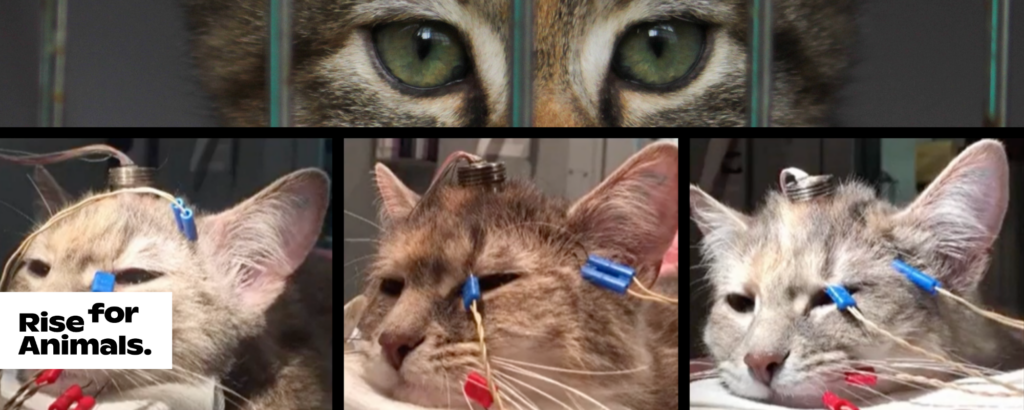
Severed spinal cords. Forced cannibalism. Electric shocks.
This isn’t horror fiction. It’s the reality for many cats and kittens trapped inside U.S. laboratories. Last year, U.S. labs reported holding or using more than 12,500 felines for research and testing.
This World Kitten Day, find out what’s happening behind laboratory doors. Then, join the fight to shut down Marshall BioResources, breeder of cats, dogs, ferrets, and pigs for experiments: 📰 Full Story →

Baboons briefly escape Texas Biomed in San Antonio, quickly recaptured
Marcus Risen, KENS5, 6/25/2026
“A ‘small number’ of baboons left their Texas Biomedical Research Institute enclosure, remaining on campus. . . . Trained animal care and veterinary teams were able to quickly recover the animals.”
“The baboons are housed at the Southwest National Primate Research Center (SNPRC) at the institute. They are part of the breeding colony.” 📰 Full Story →

Ontario Finalizes Animal Research Regulations, Leaving Critical Loopholes Unaddressed
Animal Alliance of Canada, GlobeNewswire, 6/26/2026
“Ontario’s final regulations implementing the amendments to the Animals for Research Act enacted through Bill 75 have now been published and will come into force on January 1, 2027. The regulations follow amendments to the Act prohibiting ‘invasive medical research’ on dogs and cats, subject to exceptions.”
“Animal Alliance encouraged the Ontario government to adopt clearer definitions, stronger independent oversight, narrower exemptions, meaningful rehoming requirements, and broader protections for other animals used in research, including non-human primates. The final regulations largely maintain the framework originally proposed by the government, leaving key areas of concern unaddressed, such as: • No mandatory requirement to re-home dogs and cats after research • No independent oversight of Animal Care Committees • No closure of Ontario’s pound-to-research pipeline • Rather than prioritizing the replacement of animals with modern non-animal methods, the regulations treat the use of ‘animals of a lower order’ as an acceptable substitute[.]” 📰 Full Story →
Groups protest in Wayne County against breeding for animal testing
Spectrum News Staff, Spectrum News 1, 6/28/2026
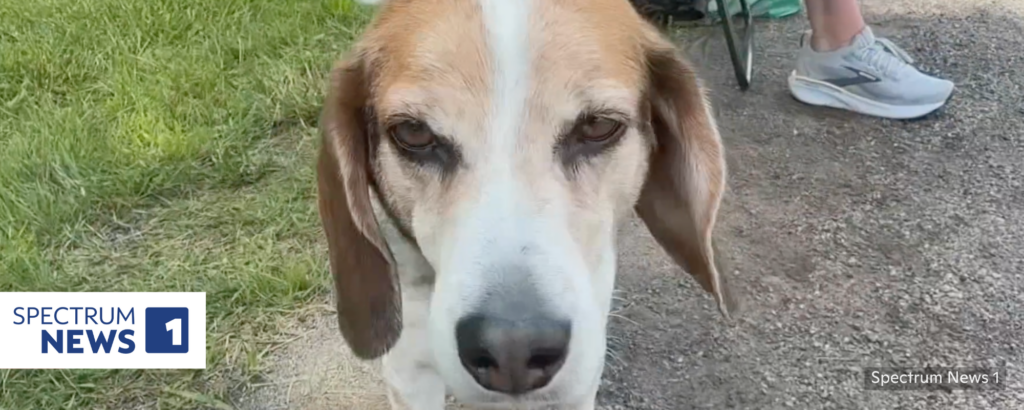
“Protestors at Marshall Bioresources in Wayne County are calling for the release of thousands of beagles. The company is a major commercial breeder of dogs, cats and rodents for scientific research.”
“Animal advocates have picketed this facility for years, saying the facility houses tens of thousands of animals. People protesting say they’re hoping the recent shutdown of a beagle breeding facility in Wisconsin brings more attention to their cause. They say the time has come to end animal testing.” 📰 Full Story →
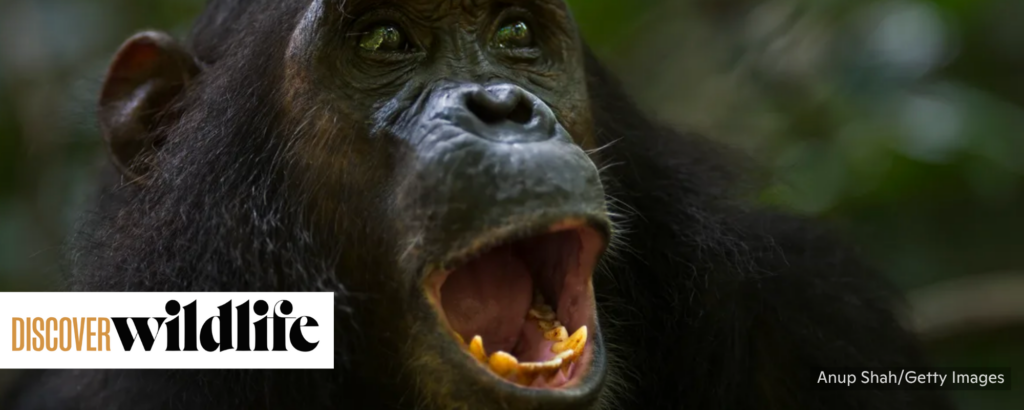
Researchers tested the cognitive ability in apes – and it could change the way we think of intelligence
Abigail Whyte, Discover Wildlife, 6/28/2026
“For decades, ape experts have searched for cognitive abilities in this animal group that are similar to humans, in order to understand how our own complex abilities evolved. . . . But a team at Leuphana University of Lüneburg argue [sic] that this is a static way of considering cognitive ability. ‘There’s a lot of experiences that … contribute to the precise nature of how [an individual’s] cognition is structured and organized,’ says Manuel Bohn, a developmental psychologist at the university. ‘We have these, kind of, developmental and individual differences perspectives for humans. And so, we thought this was clearly missing in great apes.’”
“The team studied 48 apes – bonobos, chimpanzees, gorillas, and orangutans – in a series of cognitive tasks over 18 months. The findings . . . revealed that individual apes differed from one another (even among the same species) and these differences were fairly stable over time. The findings also showed that factors such as upbringing, life experiences, sex, social group and previous exposure to humans affected performance. In other words, the study reveals that apes have individual personalities and cognitive strengths – just as humans do.”
“A surprising finding indicates that ape intelligence may be organised differently from human intelligence. . . . Further research is needed to understand how ape cognition is put together, without assuming that human cognition is the template.” 📰 Full Story →

Watchdog complaint raises questions about animal research at TTUHSC El Paso
Jordan Salas, KFOX14, 6/29/2026
“A national watchdog group is raising concerns about animal research at Texas Tech University Health Sciences Center El Paso after learning that three animal-research protocols were terminated earlier this year. Stop Animal Exploitation Now!, or SAEN, said the case stood out because the protocols were shut down rather than temporarily suspended, which the group said raises questions about what happened inside the research program and whether additional action is needed.”
“The reports cited expired drugs and surgical materials used in animal experiments, along with unapproved procedures and inconsistent record keeping.” 📰 Full Story →

New dashboard will reduce global animal testing
Cruelty Free International, 7/5/2026
“[Cruelty Free International has] developed a new way to search for and locate international testing guidelines, which will increase the use of non-animal testing methods. The OECD Chemicals Test Guidelines Explorer has been developed in collaboration with the Organisation for Economic Co-operation and Development (OECD). It will help scientists, regulators and policymakers explore the testing methods available in OECD Test Guidelines, which set the international standards for testing the safety of chemicals.”
“It is designed to immediately reduce the number of tests performed on animals, including by helping regulators keep their regulatory guidance up-to-date. This tool will also help to identify where there are gaps across the non-animal methods currently available, and could contribute to the phase-out of animal testing through the bringing forward of new methods.” 📰 Full Story →
UK Asks Industry to Identify High-Impact Areas For Animal Testing Alternatives
Eliza Slawther, Pink Sheet, 7/3/2026
“Scientific researchers, including those within the pharmaceutical industry, have until Aug. 7 to help shape which research areas will be prioritized during the UK government’s strategy to replace and reduce animal testing. The NC3Rs, an independent organization that is responsible for helping to phase out or refine animal testing in the UK, has put out a call for expressions of interest in this area.”
“‘We are inviting submissions to inform a prioritization exercise, identifying areas where alternative methods that replace animal use would have the most significant impact,’ the organization said in an email late last month.” 📰 Full Story →

Planned Animal Testing Law in Germany Raises Concerns Among Animal Welfare Groups
The Munich Eye, 7/3/2026
“The German government is considering introducing a new law that would regulate animal testing separately from the country’s existing animal protection legislation. This move has prompted strong reactions from animal welfare organizations, who fear that the proposed changes could reduce the level of protection currently afforded to laboratory animals. Currently, laboratory animals in Germany are protected under the Animal Welfare Act, which stipulates that any pain, suffering, or killing of animals must have a ‘reasonable cause.’ Critics of the proposed legislation argue that creating a separate law for animal experimentation may weaken these safeguards, potentially allowing for more invasive procedures and less stringent oversight.”
“The government’s coalition agreement outlines an intention to provide researchers with greater flexibility by reducing bureaucratic hurdles and establishing a dedicated law for scientific animal testing. The stated aim is to accelerate research processes and enhance Germany’s competitiveness in scientific fields.”
“In response, a coalition of ten animal welfare organizations submitted a petition earlier in the year, expressing concerns that millions of animals used annually in scientific experiments could face increased harm. . . . [Veterinary professionals] highlight that animals such as dogs, pigs, and primates already endure challenging conditions in research facilities, including prolonged restraint and invasive procedures. There is concern that the new legislation could make it easier for researchers to conduct certain interventions, such as surgeries or euthanasia, potentially without the level of anesthesia or ethical review currently mandated.”
“The debate reflects broader societal questions about the role of animal testing in research, the responsibilities of the scientific community, and the standards by which animal welfare is judged. The outcome of the legislative process will likely determine how Germany navigates these issues in the future, influencing both research practices and the status of animal protection in the country.” 📰 Full Story →

The Netherlands will continue to allow testing on monkeys for at least the time being
NL Times, 7/4/2026
“The government will allow the [country’s primate research center in Rijswijk] to conduct up to 120 to 150 monkey experiments each year. Around 70 to 80 monkeys are used annually from a colony of nearly 1,000 animals. Because individual monkeys can take part in more than one study, the number of experiments exceeds the number of monkeys. Most monkeys involved in research are eventually euthanized. Many of the animals housed at the center are kept to maintain the breeding colony rather than for experiments. Center director Merel Langelaar said studies range from blood sampling and PET scans to vaccine testing. In research on serious infectious diseases, monkeys may also be deliberately infected.”
“The decision preserves the policy of the previous government. That is despite a vote by a parliamentary majority last year backing a proposal from the Partij voor de Dieren to gradually redirect all government funding for the center to animal-free alternatives. That decision was reversed this spring after a proposal from the VVD, allowing public funding for monkey research to continue. Partij voor de Dieren lawmaker Ines Kostić criticized the move. ‘There was strong opposition to our proposal, even though it was reasonable to ensure that within five years no taxpayer money would go to those terrible monkey experiments.’”
“In 2024 reporting based on 2022 data, Dutch laboratories carried out 492,380 animal experiments. That is despite the fact that the Rutte II Cabinet said around 12 years ago that animal testing should be outlawed in a year. ‘There are alternative methods that are more predictive, faster, and cheaper,’ Merel Ritskes-Hotinga, a professor on animal testing alternatives at Utrecht University, told NOS at the time. ‘But the legislation is not being adjusted because the entire system is built around animals.’” 📰 Full Story →
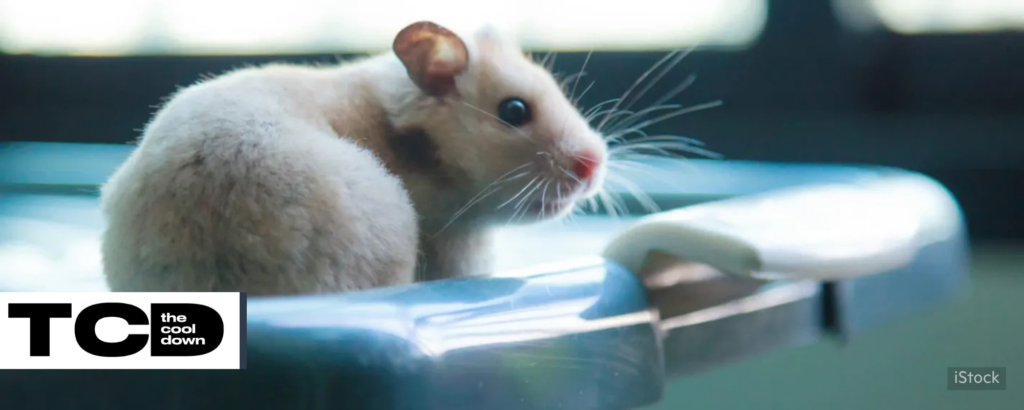
Massachusetts researcher got $20.5M to infect rodents with blood-sucking parasites, PETA says
Elizabeth Smith, TCD, 7/5/2026
“According to PETA, Raffi Aroian’s experiments involved infecting hamsters, mice, and rats with intestinal parasites, such as hookworms and whipworms, and allowing those infections to continue for days or weeks as the parasites developed inside the animals. PETA says some hamsters also received repeated injections to suppress their immune systems so the parasites could remain alive longer, extending the rodents’ suffering for science. ‘These parasites embed in the animals’ intestinal walls and feed on them, leading to tissue injury, inflammation, and chronic blood loss,’ PETA wrote. PETA also says Aroian removes parasites from the carcasses to ensure a ‘steady supply’ and uses them in later experiments.”
“Beyond the experiments themselves, PETA says. [sic] UMass Chan staff reportedly found in April 2024 that Aroian was housing hamsters in violation of approved rules, leading to a protocol revision and a report to NIH. The group says another incident was reported to the NIH about a month later, after two hamsters were left in old cages and went 16 hours without water.”
“Aroian has two active grants totaling $1.4 million and has received $20.5 million for research from the NIH since 1998, the animal advocacy organization noted.” 📰 Full Story →

Ridglan Farms beagles: Owner’s son-in-law not among dozens charged
Bryan Polcyn, FOX6 Milwaukee, 7/6/2026
“More than 50 animal rights activists are now charged with felonies for the so-called ‘open rescue’ at Ridglan Farms in March. They are accused of stealing 22 beagles – or helping those who did. . . . The 47 individuals charged Friday were all for burglary as a party to a crime. Their initial appearance is Aug. 24. Four other activists were previously charged with more serious crimes, including property damage and theft of more than $10,000. That includes the primary organizer of the open rescue, Wayne Hsiung. His trial is scheduled for January.”
“One name is noticeably missing from the list of those charged. Jerry Blizzard is the son-in-law of Jim Burns, the owner of Ridglan Farms. Video provided to FOX6 Investigators by documentary filmmaker Rebecca Loviconi shows what Blizzard did the day animal rights activists showed up unannounced, ready to haul beagles away. . . . he decided to take matters into his own hands, slashing the tires of a transport van full of beagles, then ramming it with his truck. . . . In April, Dane County Sheriff Kalvin Barrett eventually referred Blizzard for criminal charges of reckless driving and criminal damage to property. Three months later, Blizzard has not been charged.” 📰 Full Story →

PETA Demands Closure of UC Davis Primate Center After New Federal Violations
Jaskarah Singh, Vanguard News Group, 7/7/2026
“[PETA] is again calling on UC Davis to shut down its primate research center after the university received new federal animal welfare citations. According to a recent PETA statement, the U.S. Department of Agriculture cited the university for ‘three violations of the federal Animal Welfare Act, including the escape of three mice, one of whom died, and for locking monkeys in cages far too small.’”
“[Dr. Lisa Jones-Engel, PETA’s chief science adviser for primate experimentation] stated, ‘This is the second time this year that UC Davis has been busted for cramming monkeys into cages even smaller than the minimum federal regulation allows.’ She further stated, ‘These are large, intelligent animals, yet the university confined them to spaces barely bigger than half of a yoga mat. […] Monkeys kept in tiny cages snap, attacking their own bodies in frustration or lashing out at other monkeys.’ PETA also explained in its statement that ‘escaped monkeys fought so violently that one lost two fingers’ in an incident it revealed the previous month. Jones-Engel added, ‘UC Davis’ chronic failures make one thing clear: the university should shut down its cruel primate center.’” 📰 Full Story →

Dozens Face Felony Charges After Raid of Beagle Research Facility
Madaleine Rubin, The New York Times, 7/7/2026
“Dozens of people [“includ[ing] residents of 19 U.S. states, Washington, D.C., and Canada”] were charged with felonies after trying to steal thousands of beagles from a Wisconsin research facility — a major development in a case that has drawn increased attention to animal testing practices.”
“Charges filed last week in Dane County concern the theft of beagles in March. But the sheriff’s office has also recommended charges related to the April incident to the Dane County District Attorney’s Office, Sheriff Barrett said.” 📰 Full Story →

UW clears student animal rights group for beagle rescue posters
Corey Moen, Channel3000, 7/7/2026
“UW-Madison cleared student animal rights group Animal Advocacy of allegations that it solicited violations of the law after posting a flyer promoting a ‘Save the Beagles’ protest at beagle breeder Ridglan Farms. Following a hearing last month, the Office of Student Conduct and Community Standards found the student group not responsible for soliciting violations of the law.”
“The university investigator found Animal Advocacy responsible for a minor postering violation for improperly putting up posters on buildings. The sanction is a written reprimand and a required review of the university’s postering policies.” 📰 Full Story →

We Are Social gaming experience raises animal testing awareness
Giles Crosse, Media Shotz, 7/7/2026
“We Are Social in France has partnered with animal protection organisation One Voice to launch The Memorial, an experience in Minecraft, designed to raise awareness of the millions of animals used in laboratory testing every year. ”
“Created within one of the world’s most popular video games, The Memorial transforms the issue of animal testing into an interactive educational experience, encouraging players to learn about the lives of animals used in scientific research while exploring the alternatives that already exist. . . . Through The Memorial, One Voice aims to make the scale of animal testing more visible, particularly for younger audiences who increasingly engage with social issues through gaming.”
“The experience takes players through a memorial landscape filled with trees and commemorative monuments dedicated to different species affected by laboratory testing. Visitors can complete educational quests and interact with non-player characters (NPCs) that share the stories of individual animals. Designed as a living memorial, the experience evolves over time. A real-time counter in the central square tracks the number of animals used in laboratory testing, while new memorials are added each day to reflect the growing total.” 📰 Full Story →
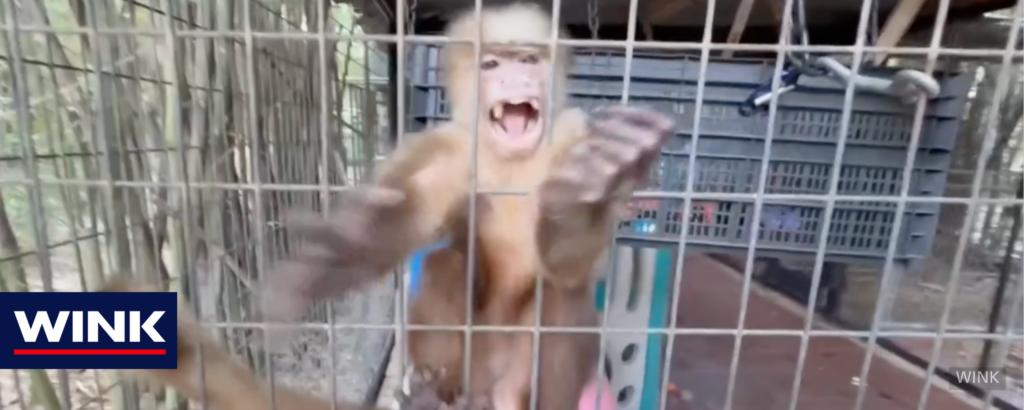
Records reveal thousands of primates shipped out of SWFL last year; lawmaker seeks ban on research imports
Olivia Jean & Brianna Lanham, WINK, 7/8/2026
“Federal citations against an Immokalee biomedical research facility are now driving legislation in Congress that could dramatically change how monkeys are used in medical research across the United States. U.S. Rep. Greg Steube, R-Florida, has introduced the Preventing Risky Importation of Monkeys to Avoid Toxic Exposures Act, or PRIMATE Act, a bipartisan bill that aims to prohibit the importation of non-human primates for biomedical research . . . The legislation comes after the USDA issued at least two citations this year to BC US LLC, an Immokalee biomedical research facility that imports, exports, breeds and houses long-tailed macaques used in medical research.”
“Steube, who represents Florida’s 17th congressional district, including parts of Lee, Charlotte, and Sarasota counties, says animal advocates brought the issue to Congress following WINK Investigates’ reporting on the critical citations. . . . The legislation is now moving through the committee process in D.C. Steube said he believes the bill has bipartisan appeal. . . . He said his ultimate goal is broader than tightening regulations. Steube says he wants to largely end the importation of primates into the U.S.”
“Beyond the debate in Washington, records obtained by WINK Investigates reveal just how large the primate research industry has become in Southwest Florida. . . . Records from the Florida Department of Agriculture and Consumer Services reveals at least 216 primates crossed state lines to come to Hendry County research facilities last year. The numbers also show five Hendry County facilities transferred at least 2,438 primates to out-of-state research facilities during that same time.” 📰 Full Story →
Hundreds of Physicians Call on RFK Jr. to End Primate Experiments and Accelerate Human-Based Science
Physicians Committee for Responsible Medicine, 7/8/2026
“More than 550 physicians are calling on Health and Human Services Secretary Robert F. Kennedy Jr. to direct the National Institutes of Health (NIH) to phase out primate experimentation in favor of modern, human-based research methods that better predict human health outcomes. The letter, sent Monday . . . asks for: phasing out support for the nation’s seven National Primate Research Centers, plans for retiring primates currently in laboratories, and initiatives for supporting researchers, staff, and institutions in making the transition to advanced, human-based approaches.”
“‘Federal research policy should reflect the best available science,’ said Dr. [Neal Barnard, MD, FACC, president and founder of the nonprofit the Physicians Committee for Responsible Medicine]. ‘Modern human-based methods offer a more effective path to understanding disease and developing treatments than experiments on monkeys.’” 📰 Full Story →
Meagre decrease highlights urgent need for government to implement phase-out strategy
Cruelty Free International, 7/9/2026
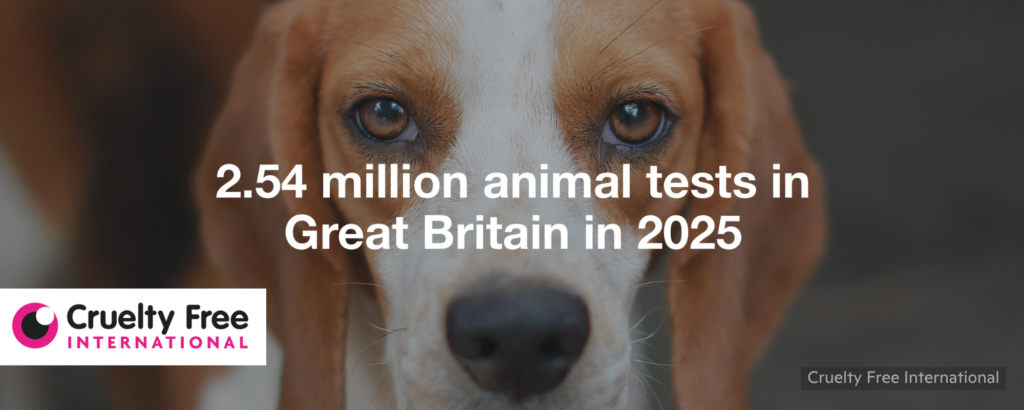
“[Cruelty Free International] acknowledge[s] the slight decrease in animal testing in Great Britain, as reported by the Home Office today, but warn that the pace of change remains so painfully slow that cruel animal testing looks set to continue for many more decades to come. There were 2,537,507 uses of animals in laboratories in Great Britain in 2025. This meagre decrease, of 4% from 2024, is not enough to meet public expectations or the potential to perform better science using modern, humane methods.”
“It highlights the urgent need for the government – and new Prime Minister – to make progress in implementing its ‘Replacing animals in science’ strategy, which was published in November 2025. . . . The statistics also show that, despite progress in some areas, the full elimination of increasingly outdated tests is yet to be achieved.” 📰 Full Story →
Help spread the word. Share this news compilation on Facebook, X, or Bluesky.