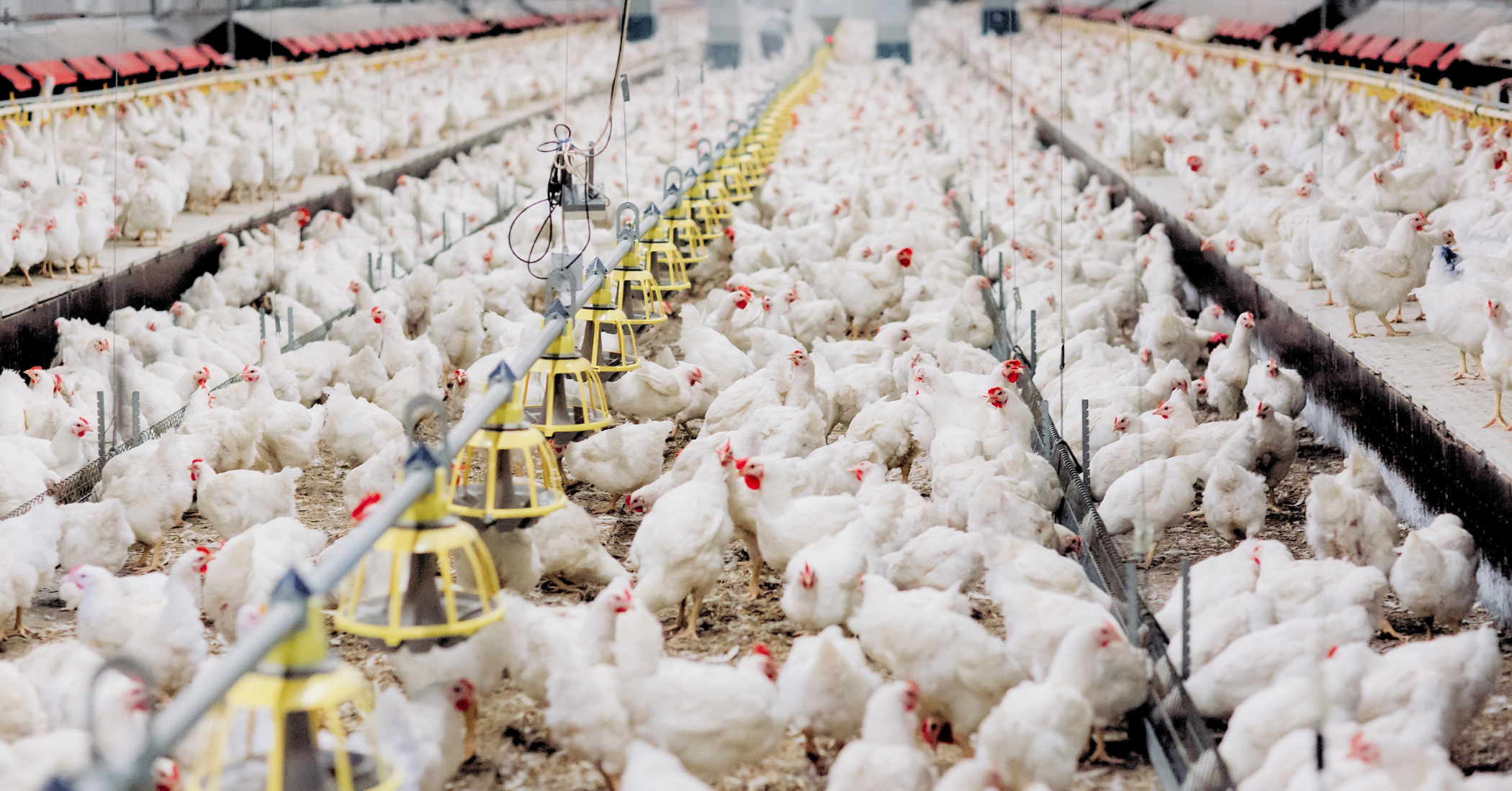
Congress is once again poised to protect the animal industrial complex in defiance of the will of the people.
The current House Bill H.R. 7567—the Farm, Food, and National Security Act of 2026—has been aptly dubbed the “Factory Farm Bill” for the interests it serves.
A Federal Override of Animal Protections
Sponsored by Rep. Glenn “GT” Thompson (R-PA), the bill would do more than continue supporting and funneling federal money to animal exploiters. The Factory Farm Bill would also undercut voter-approved state protections for farmed animals and revive taxpayer support for fur farming.
Through this bill, Congress is considering the use of federal power to override public—and legal—opposition to animal cruelty.

We have seen this before. The EATS Act attempted to strip states and localities of their ability to enforce stronger protections for farmed animals. It failed—but the industry’s allies have returned with a new vehicle.
Section 12006 of the Factory Farm Bill would bar states and localities from enforcing certain production standards on animal “products” from other states. In practice, this would mean that states could not require that animals be raised according to their minimum standards as a condition of sale.
It’s an industry power grab that seeks to override the democratic process by undercutting voter-approved protections already on the books, including California’s Prop 12 and Massachusetts’ Question 3 (laws designed to curb some of the most extreme forms of confinement in animal agriculture).
Reviving Taxpayer-Backed Support for Fur
The current Factory Farm Bill would also restore federal support for the farming of animals for fur.
Sections 3201(d) would reopen the door to taxpayer-backed support for the mink industry. Since 1999, federal funds have been barred from being used to promote or assist the U.S. Mink Export Development Council or any mink industry trade association. This bill would repeal that prohibition—allowing public dollars to be used to support or pay personnel to carry out market access or promotion activities for an industry that cages, kills, and skins animals.
Taken together, these provisions reveal the bill’s purpose: to protect and expand animal exploitation while insulating it from public will.
Amendments that Could Limit Some of the Damage
There are, however, amendments on the table that would mitigate some of the immediate danger:
- The Luna-Costa amendment would strike Section 12006, preserving the ability of states and localities to enact and enforce animal protection laws.
- The Fitzpatrick amendment would remove the provision of Sections 3201(d) that could restore support for the mink industry.
It is critical that these amendments pass. If Congress insists on advancing the Factory Farm Bill, lawmakers must at least remove provisions that further entrench industry power and strip away hard-won protections.
But removing the worst provisions does not redeem the bill.

H.R. 7567 would remain a sweeping federal vehicle for sustaining animal agriculture and the broader animal industrial complex. Stripping out two harmful sections would limit the damage, but it would not transform the bill into something worthy of support.
That is why our position must be twofold: Urge your Representatives to support the Luna-Costa and Fitzpatrick amendments—and to oppose the Factory Farm Bill in its entirety.