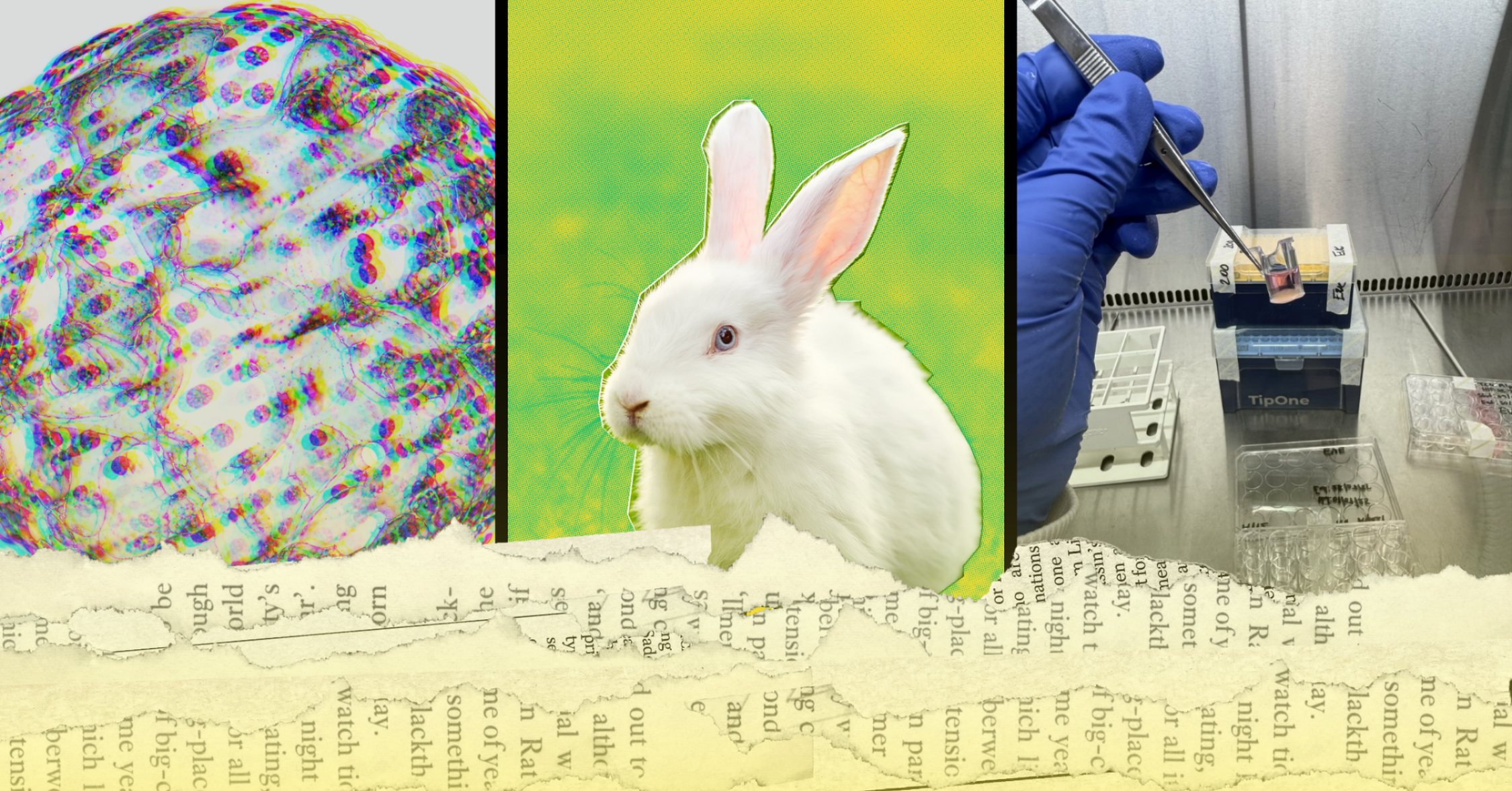
Non-Animal & Human-Relevant Research News: September 2026
While the animal research industry continues to breed, buy, cage, torture, and kill sentient beings, progressive scientists are busy proving that human-relevant science is not only possible but, in fact, better for us all. Highlights in science from the last month are below.
Lab-grown tumours could speed up cancer cures
Michael Addelman, The University of Manchester, 9/3/2026
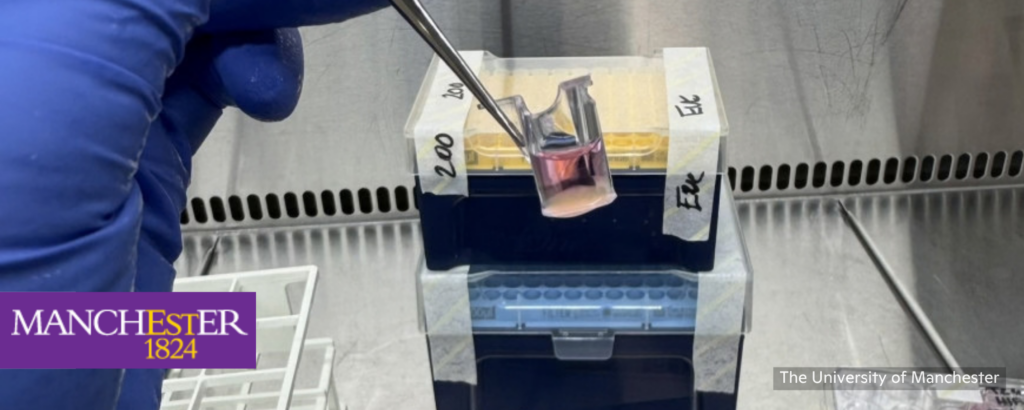
“A review by University of Manchester scientists says sophisticated lab-grown tumours could help fast-track the search for new cancer treatments while reducing reliance on animal testing. Publishing in the British Journal of Cancer, the researchers assessed biomaterial-based cancer models using advanced materials known as hydrogels. The models recreate key features of tumours in the lab, offering a potentially quicker way to study how cancers grow and spread. The technology could also help scientists identify promising drugs more quickly by providing a realistic testing environment before treatments reach clinical trials.”
“‘The technology could cut the number of animals used in research, save millions of pounds, and speed up the search for life-saving treatments.’” 📰 Full Story →
An artificial gut that moves like the human intestine: new device could reduce animal testing
Unipinews, 9/3/2026
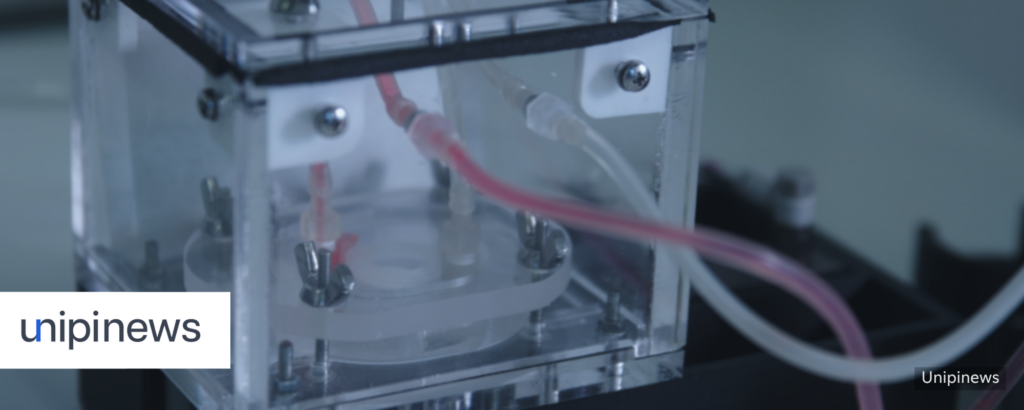
“A model of the human intestine capable of ‘moving’ like the real organ, reproducing in the laboratory both peristalsis and the mechanical stresses experienced by intestinal cells every day. . . . The new device, technically a bioreactor, recreates an environment much closer to that of the human intestine than traditional models, while maintaining cell viability for at least 28 days. In addition to supporting cell culture, the system reproduces peristalsis, the rhythmic movement that enables the intestine to function properly. In response to this mechanical stimulation, the cells spontaneously organise themselves into three-dimensional structures resembling intestinal villi.”
“‘Having models that closely mimic the behaviour of the human intestine means being able to study diseases more accurately, assess the effectiveness of new drugs and progressively reduce the need for animal testing.’”
“Thanks to its versatility, the bioreactor could be connected to other biological models, beginning with the gut microbiota model already developed by the same researchers. The next step will therefore be to integrate the new intestinal model with other tissues to recreate the microbiota–gut–heart–brain axis in the laboratory and investigate the origins and progression of cardiovascular and neurodegenerative diseases.” 📰 Full Story →
New £20m robot lab to speed up disease research
Paul Burnell, BBC, 9/4/2026
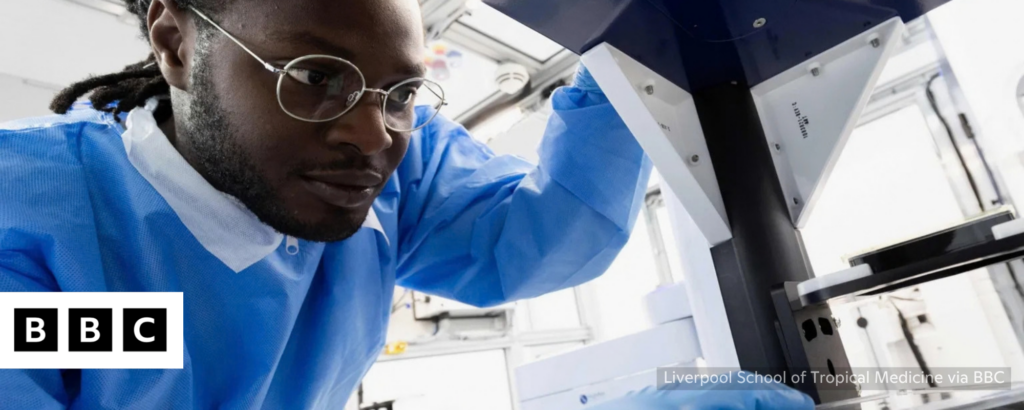
“Researchers in Liverpool say a new robotic laboratory could help speed up vaccine development and reduce the need for animal testing. The £20m facility at the Liverpool School of Tropical Medicine will use lab-grown miniature human organs to test treatments for infectious diseases.”
“Pro-vice chancellor for research and innovation, Prof Giancarlo Biagini, said . . . that the use of mini organs, such as the heart and brain, is ‘amazing technology’, adding: ‘You can actually see the heart beating’. He said using tissue created from human donors, rather than animals, could improve research and provide more reliable data.”
“The school’s former boss and founding member of iiCON, Prof Janet Hemingway, said the project will ‘create several hundred cutting-edge technology jobs’. She added: ‘Although the robots will do a lot of the work, we are training humans to develop that technology.’” 📰 Full Story →
Lady Gaga-Backed Outer Bio Could End Animal Testing
Aaron Jackson, Intelligent Living, 9/5/2026
“Lady Gaga spent six years quietly sitting on the board of a biotech startup. In August 2026, she finally revealed it: Outer Bio, a Cambridge, Massachusetts, company that keeps donated human skin alive outside the body for four weeks to discover safer skincare. The positive twist most coverage missed is what this means for animals, people, and science: real human skin paired with AI could help replace animal testing in beauty, cut wasted lab work, and speed up cures for skin problems.”
“Human skin that lives for a month gives researchers something better than a mouse or a petri dish: real human biology over time. With Yuna, scientists can induce UV damage and watch stress, inflammation, collagen remodeling, and barrier repair unfold over weeks, not days. That makes it possible to answer the question searchers ask most: what is a better alternative to animal testing, with a direct answer: long-lived human tissue combined with AI screening.”
“The benefits go beyond cosmetics. Outer Bio says it has a pharmaceutical collaboration studying why certain cancer drugs trigger severe skin rashes. Long-lived skin could also help researchers study chronic inflammation, cellular aging, and wound healing in ways short assays cannot.” 📰 Full Story →
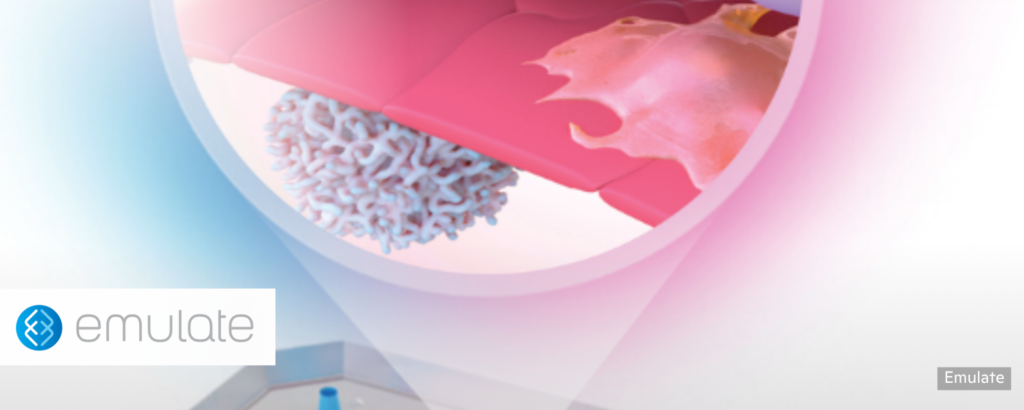
Emulate Enters Final Stage of FDA ISTAND Program for Human Liver-Chip with Submission of Qualification Package Covering Both Zoë® and AVA™ Organ-Chip Platforms
Emulate, 9/9/2026
“Emulate, Inc., the leading provider of next-generation Organ-on-a-Chip technology, today announced it has submitted its FDA Innovative Science and Technology Approaches for New Drugs (ISTAND) full qualification package (FQP) for its Human Liver-Chip, advancing the company’s efforts to establish Organ-on-a-Chip technology as a qualified Drug Development Tool (DDT) for drug-induced liver injury (DILI) assessment.”
“The submission includes data generated on both Emulate’s Zoë® Culture Module and its next-generation AVA Emulation System, extending the qualification package across two Organ-Chip platforms designed to support different stages and scales of pharmaceutical research. If the FDA ultimately qualifies the Human Liver-Chip for DILI assessment, it would establish an important regulatory precedent for Organ-on-a-Chip technology and provide drug developers with a standardized, human-relevant approach for evaluating liver toxicity.” 📰 Full Story →

The Company Betting It Can Simulate A Human Body
David Wild, Citeline In Vivo, 9/9/2026
“[Michael} Antonov founded Deep Origin in 2022 on the premise that pharma’s 90% clinical failure rate is the result of a modeling problem, and neither physics nor machine learning alone will close it. . . . Pure physics is explainable but slow, Antonov said, and stops at the molecular scale, while generative AI degrades as targets diverge from its training distribution. The company trains on large volumes of physics-generated data, which it argues is why accuracy holds on novel targets where AI-only models collapse.”
“Perhaps the most ambitious work Deep Origin is doing is government-funded. The company is leading an ARPA-H CATALYST (Computational ADME-Tox and Physiology Analysis for Safer Therapeutics) contract worth up to $31.7m, which kicked off in September 2025, to build a ‘virtual human.’ This would be a set of interlocking models that follows a drug and its breakdown products through the body – organ by organ, down to the individual proteins they bump into – and works back up to a warning such as liver injury.”
“What sets the company’s approach apart, [Natalie] Ma [“co-founder and former wet lab scientist who became chief business officer in March 2026”] said, is that it also explains the why. ‘Many models would just indicate there’s drug-induced liver injury, but what do you do with that information? You can’t rescue a program unless you know why,’ she said, while cautioning that ‘we would not claim that it is built yet.’ Ma sees organoids and other new approach methodologies as complementary rather than competing and noted in silico screening can run at a scale that in vitro cannot match.” 📰 Full Story →
Predicting human responses more accurately in new drug development… Why Biospero focused on organ-on-a-chip technology
Venture Square, 9/8/2026
“One of the challenges faced in the new drug development process is that the efficacy and safety confirmed in animal testing often do not carry over to clinical trials. This is due to physiological differences between animals and humans. Given the enormous costs and time involved in developing new drugs, researchers are seeking new methods to predict clinical trial results with even slightly greater accuracy in order to address this issue. Recently, organ-on-a-chip technology has been attracting attention as one such method. . . . Biospero, originating in Jeju, has advanced this technology to develop ‘OrganXpert™,’ a human-mimicking research platform that can be easily used in the field.”
“Organ-on-a-chip technology holds great potential in the bio field, but existing systems required connecting external pumps and tubes to allow fluid flow. To test multiple organs or multiple chips simultaneously, the connection structure of research equipment had to become complex, and the number of processes that researchers had to manually operate inevitably increased. Biospero developed OrganXpert with a focus on reducing these inconveniences. It is designed to circulate fluids through the physical actuation of OrganXpert-M, without the need for external pumps or complexly connected tubes. This is significant in that it goes beyond creating a ‘convenient-to-use organ-chip research device’ to establishing a ‘stable research platform that researchers can use continuously.’” 📰 Full Story →
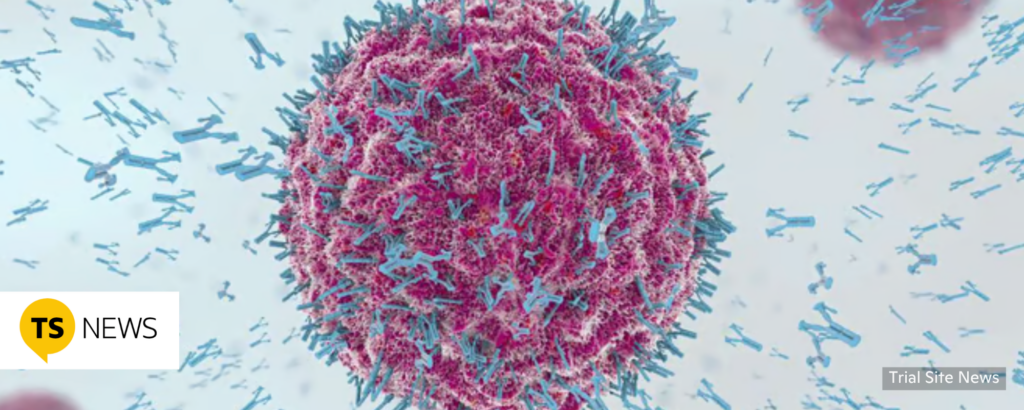
Human ‘Bone Marrow-on-a-Chip’ Reveals How Antibody-Producing Cells Find a Home—and Survive
TrialSite Staff, TS News, 9/12/2026
“Researchers have built a miniature human bone marrow-on-a-chip that lets scientists watch antibody-producing immune cells move, settle and mature in a laboratory model of bone marrow. . . . The engineered system showed that antibody-secreting cells (ASCs), which can mature into plasma cells, gathered around blood vessels, interacted with survival signals and displayed a distinctive ‘stop-and-go’ movement pattern. The work could eventually help scientists study vaccine durability, autoimmune disease, allergies and plasma-cell cancers.”
“The real advance is not a new treatment but a new window into human immunity. Scientists may now have a more human-relevant way to investigate why some antibody-producing cells survive for years while others disappear—and why plasma cells sometimes contribute to autoimmunity or cancer. This study provides strong preclinical evidence that engineered human bone-marrow niches can reproduce important features of antibody-secreting cell migration, retention and maturation, but human clinical validation remains necessary.” 📰 Full Story →
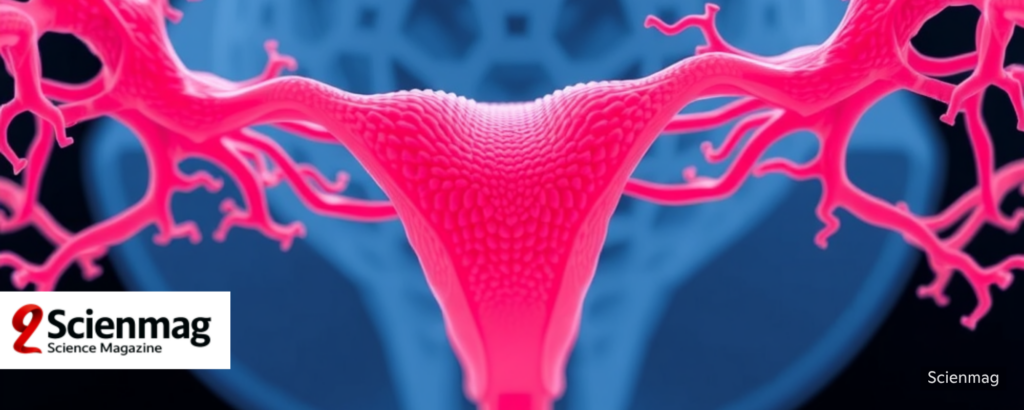
Lab-Grown Endometrium: New 3D Models Bring Human Reproduction Into Focus
Gregory Coleman, Scienmag, 9/12/2026
“For decades, the human endometrium—the dynamic lining of the uterus that governs embryo implantation, menstruation and the earliest moments of pregnancy—has remained one of the most difficult tissues in the human body to study. Now, a comprehensive review published in Nature Biomedical Engineering maps how a quiet revolution in tissue modelling, spanning organoids, assembloids and microfluidic ‘endometrium-on-a-chip’ platforms, is finally giving researchers access to living, hormone-responsive replicas of this remarkable tissue.”
“The authors argue that the root of [why “conditions affecting” the endometrium “remain poorly understood and notoriously difficult to treat”] lies in the tools the field has historically depended upon: animal models and two-dimensional cultures that systematically fail to reproduce the human endometrium’s intrinsic biology. The problem with animal models begins with basic evolutionary divergence. Mice, the workhorse of biomedical research, do not menstruate, and their endometrial architecture, hormone responsiveness and decidualization programmes—divided into the stem-cell-rich basalis that regenerates the tissue each cycle and the functionally active functionalis that is shed during menstruation—differ in fundamental ways from those of humans. Even the spiny mouse, the only rodent known to menstruate, offers only a partial bridge. Baboons show spontaneous endometriosis, making them useful but expensive and ethically constrained. The review details how comparative studies between human and rat endometrial co-cultures have repeatedly exposed these species-specific gaps, underscoring why findings from mice frequently fail to translate into human clinical practice.” 📰 Full Story →
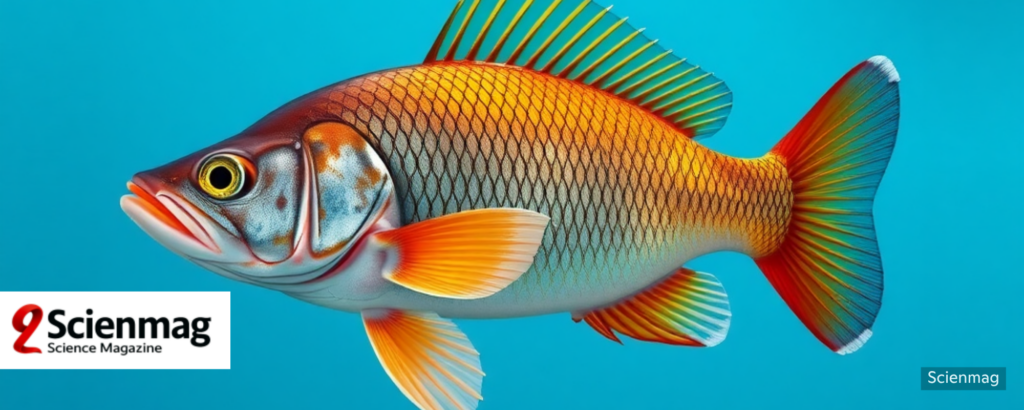
AI Model Predicts Chemical Toxicity Across 151 Fish Species
Violet Maxwell, Scienmag, 9/12/2026
“Chemical pollution has become one of the most insidious drivers of biodiversity loss on the planet, and nowhere is the problem more difficult to quantify than in the world’s rivers, lakes, and oceans. . . . A new study published in Nature Water offers what its authors describe as a fundamental advance in how the internal exposure and toxicity of chemicals in aquatic life can be predicted, using artificial intelligence to bridge one of the widest gaps in modern ecological risk assessment: the sheer physiological diversity of the species at risk.”
“The research . . . introduces the intelligent high-throughput multi-species physiologically based toxicokinetic model, abbreviated HM-PBTK. At its core, the model addresses a stubborn technical problem. Physiologically based toxicokinetic models have long been a cornerstone of toxicology because they simulate how a chemical enters an organism, distributes through its tissues, is metabolized, and is ultimately eliminated—the so-called ADME processes. But these models depend on dozens of species-specific parameters, such as blood flow rates, tissue volumes, tissue composition, and metabolic clearance rates . . . For the vast majority of the more than 30,000 fish species on Earth, such data simply do not exist. The Chinese-led team’s solution was to build machine-learning models capable of predicting these physiological and biochemical parameters across species that have never been tested. . . . the researchers trained AI systems to estimate the parameters that a toxicokinetic model needs, from cardiac output and oxygen consumption to in vitro intrinsic clearance rates. The resulting framework covers 151 freshwater and marine fish species, spanning a phylogenetic and ecological range that conventional modeling approaches could never approach.”
“Once the AI-predicted parameters are plugged into the toxicokinetic model, the system can quantify how much of a given chemical accumulates in specific tissues—the liver, the gills, the blood, the gonads—under realistic exposure scenarios. . . . The performance results are striking. In a case study . . . the model’s quantitative in vitro to in vivo extrapolation, or QIVIVE, placed 85 percent of toxicity predictions within fivefold of the corresponding experimental observations.” 📰 Full Story →
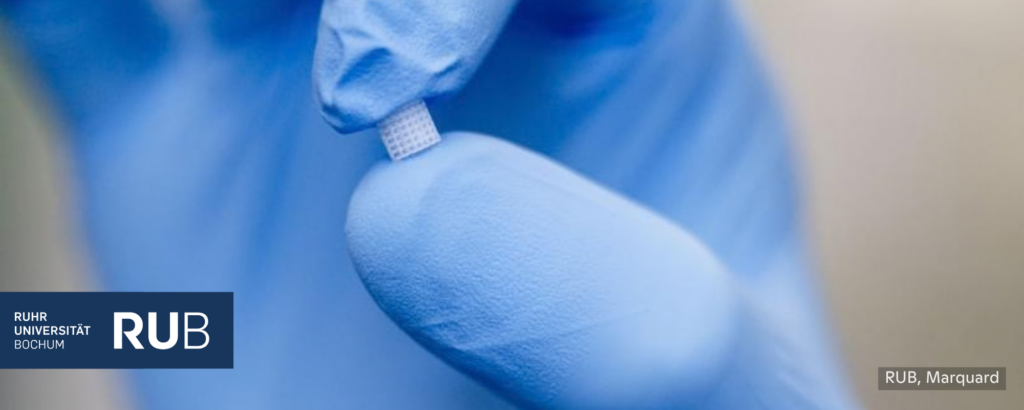
Studying Bone Metabolism on a Chip
Ruhr Universität Bochum, 9/13/2026
“In Germany, similar to other European countries, about 21 percent of artificial joints require adjustment each year, based on registry data. “One reason for this is that the prosthetic begins to loosen at some point,” explains Dr. Jochen Salber, Director of Experimental Surgery at Knappschaft Kliniken Universitätsklinikum Bochum. This loosening stems from complex processes at the interface between the metal implant and the surrounding bone tissue. The role played by metallic nanoparticles that break away from the implant when the artificial joint moves, as well as the surface consistency of the implant itself, is not yet known. Salber and his team hope to more clearly understand how bones and implants interact so that they can improve the lifespan of implants in the long term.”
“Conventionally, tests would be conducted on animals to answer such questions. Salber and his team are deliberately taking a different approach: They are analyzing the activity of bone-relevant cells from primary human cell sources. These come either from tissue samples, which routinely accumulate during joint replacement operations and are otherwise disposed of, or from blood donations, from which immunological precursor cells can be isolated. ‘This results in a system that is not only animal-free, but sustainable, and it reflects a form of human responsibility for our own matters,’ says Salber. ‘People donate cells in order to make research without animals possible.’ Moreover, this approach opens up the possibility of personalized experiments in the medium term, in which patient-specific cellular responses can be investigated.”
“There are multiple benefits to this approach. ‘We are avoiding unnecessary animal experimentation, and we receive data that are physiologically closer to humans than those from small animal models.’” 📰 Full Story →
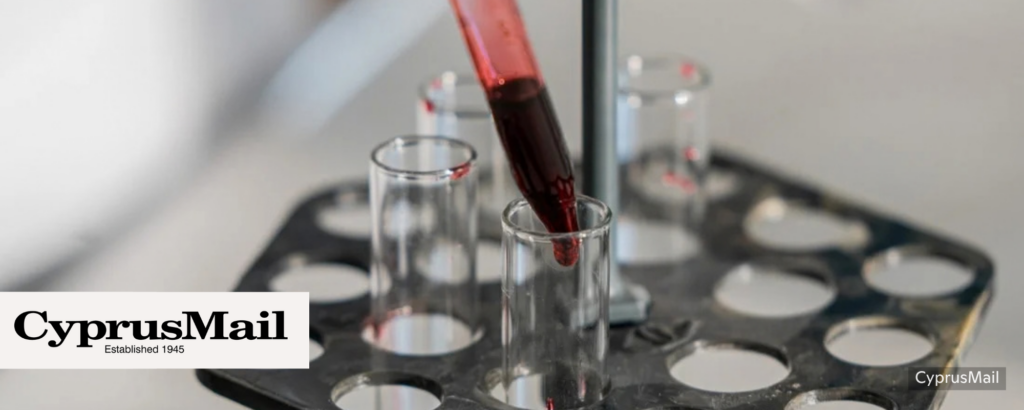
How AI could replace animal testing
Anthony King, CyprusMail, 9/13/2026
“Around 150,000 animals, mostly rats and mice, are used in the EU each year to test the safety of everyday chemicals, but that is starting to change. Animal welfare campaigners have long raised concerns about this practice, and questions remain over how well results from animals translate to humans. Researchers have therefore set out to design more reliable, less invasive testing methods, building on the EU’s earlier ban on animal testing for cosmetics.”
“Traditional animal tests can identify immediate toxic effects, but assessing the consequences of long-term exposure is much harder. Some diseases can develop after years of exposure to chemicals that cause subtle changes in cells, potentially increasing cancer risk or damaging reproductive health. . . . Vinken’s team devised several tests using cells rather than animals, with AI helping researchers interpret what the results could mean for human organs. Some approaches use organ-on-a-chip technology – small devices containing human cells that mimic aspects of how a real organ responds to a chemical. The research findings have attracted interest from international organisations, including the Organisation for Economic Co-operation and Development (OECD). ‘They found the information to be really valuable,’ Vinken said.” 📰 Full Story →

How better ways of screening drugs could soon lead to thousands fewer animal tests
David Adam, New Scientist, 9/15/2026
“As many as 190 million animals are used in biomedical research around the world every year. But after centuries of experiments, controversy and countless life-saving benefits, science may finally be approaching a point where animal testing is no longer the default option. . . . These initiatives largely seek to make more widespread use of better alternative methods. A sliver of plastic no bigger than a microscope slide threaded with human liver cells can now identify toxic drug effects better than using rats. Lab-grown cells are sparing rabbits from once-indispensable tests that screen medicines for contaminants. And AI models are identifying potential drug targets at record speeds, without using animals.”
“ . . . laboratory animals have always represented a compromise. Scientists can coax mice to develop cancers, inflammatory diseases and neurological disorders resembling human illness, but such conditions often arise through genetic engineering or artificial intervention, rather than the biological processes that make people sick. [Hans] Clevers [at Utrecht University in the Netherlands] says his team developed an antibody to treat a head and neck cancer called squamous cell carcinoma entirely in organoids, with no conventional animal testing. The drug is now in phase III trials.” 📰 Full Story →

Roche drives Alzheimer research with AI and organoids, seeks Korea ties
Yeom Hyun-a, ChosunBiz, 9/17/2026
“Among global pharmaceutical companies, Swiss Roche, the No. 2 big pharma by sales, views this shift [“to reduce animal testing and expand research methods that directly reflect human biological characteristics”] as a key strategy to raise the success rate of new drug development. At the center is the Institute of Human Biology (IHB), established in 2023 in Basel, Switzerland. IHB conducts research to understand diseases and more accurately predict the efficacy and safety of drug candidates by using human tissues and cells, Organoid, clinical data, and computer models.”
“Azad Bonni, senior vice president in charge of neuroscience and rare diseases at Roche Pharma Research and Early Development (pRED) and head of IHB . . . said, ‘In the past, we tested the efficacy and safety of drugs in animal models, but when applied to humans, results sometimes differed and led to failure,’ adding, ‘IHB aims to predict drug efficacy and safety in environments closer to the actual human body by using human cells and tissues, Organoid, and clinical data, thereby raising the success rate of new drug development.’” 📰 Full Story →
Wall Street Is Wary Of NAMs — And For Good Reason: What Happens To Yesterday’s Drugs?
Zaher Nahle, Drug Discovery Online, 9/15/2026
“Better human-relevant evidence could change more than how tomorrow’s medicines are developed. It could change what we think we know — and what markets think they know — about the drugs already in the portfolio. . . . what happens if increasingly predictive methods also change our understanding of medicines that have already been developed, approved, and valued? This is where NAMs become a Wall Street story.”
“The valuation of a pharmaceutical asset rests on a chain of assumptions: efficacy, toxicity, mechanism, therapeutic window, probability of clinical success, addressable patient population, competitive differentiation, dosing, treatment duration, and expected commercial adoption. Better evidence can alter virtually every one of them. . . . A drug does not have to be withdrawn for its economics to change: if better evidence changes its estimated responder population, safety profile, dosing assumptions, treatment duration, or competitive positioning, it changes the assumptions underlying its valuation. NAMs are therefore not simply about replacing animal studies; they may change the information on which drugs are developed, regulated, and valued.”
“There is an ethical dimension as well. If a method eventually becomes reliable enough that regulators accept it to help determine whether tomorrow’s medicine can proceed toward human use, it is reasonable to ask whether information generated by that method should also matter when millions of people are already taking yesterday’s medicine. The answer will depend on the method and clinical context, but as predictive performance improves, the question becomes harder to dismiss.” 📰 Full Story →

Device simulates human tissue and offers an alternative to animal testing
AAAS, 9/16/2026
“Researchers at the Brazilian Center for Research in Energy and Materials (CNPEM) have developed microscopic technology that can grow cells in three dimensions (3D). The goal is to conduct toxicity tests on new products by more accurately simulating living organisms. This technology is a breakthrough for drug development, material safety assessment, and ecotoxicology research (the study of the impact of substances on ecosystems). It also helps reduce the need for animal testing.”
“The study presents three main advances. First, it developed a standardized, reproducible, and user-friendly experimental protocol that enables researchers without prior microfluidics experience to use the technology in routine cell assays. Second, the ability to recover three-dimensional cell models for further analysis after testing is a key feature. This capability, uncommon in microfluidic platforms, allows for a more in-depth investigation of how drugs and materials interact with cells. Third, the ability to conduct assays under continuous flow conditions more accurately replicates the circulation of nutrients and molecules observed in the body. Consequently, results obtained in the laboratory more accurately reflect the behavior of substances in real biological systems.” 📰 Full Story →

Fewer lab animals, better drugs: This startup wants to fix how experiments get designed
Sydney Jackson, GeekWire, 9/18/2026
“Seattle-based ModernVivo is using AI to help scientists design preclinical studies for drug discovery. The goal: better experiments that are also faster, cheaper and less reliant on animals.”
“To design experiments, scientists typically enter keywords into PubMed or another database, receiving hundreds or thousands of results. They then go through each complex paper, typically 30 pages long, to find information relevant to the experiment they’re planning. . . . ModernVivo’s platform can analyze millions of peer-reviewed publications – cross-referenced with clinical trial and regulatory data – delivering highly detailed results in minutes.”
“So far, the results are speed, confidence and lower animal use . . . Researchers who use ModernVivo report more trust in their initial study design, he said, and run fewer duplicate or follow-up animal experiments, which cuts down on animal use and the cost of housing and caring for animals.” 📰 Full Story →
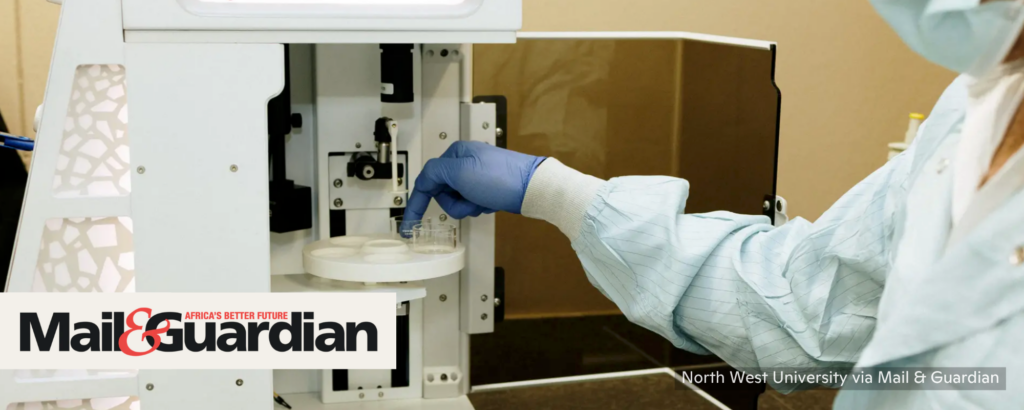
How the NWU is rethinking disease research to reduce animal testing
North West University, Mail & Guardian, 9/23/2026
“At the North-West University (NWU), researchers are developing human-based models that replicate aspects of human physiology and disease, potentially reducing the need for animal testing. . . . At the NWU, the team has developed human cancer models for lung, colorectal, skin, breast, brain, liver and nasal epithelial cancers, as well as skin, airway, wound-healing and toxicity models. The researchers are establishing cerebral organoids – ‘mini brain tissues’ – from stem cells, with liver organoids and a full-thickness skin model planned.”
“Researchers can take multiple samples from the same model or observe real-time intracellular signalling, which is difficult or impossible to achieve with animal models.” 📰 Full Story →
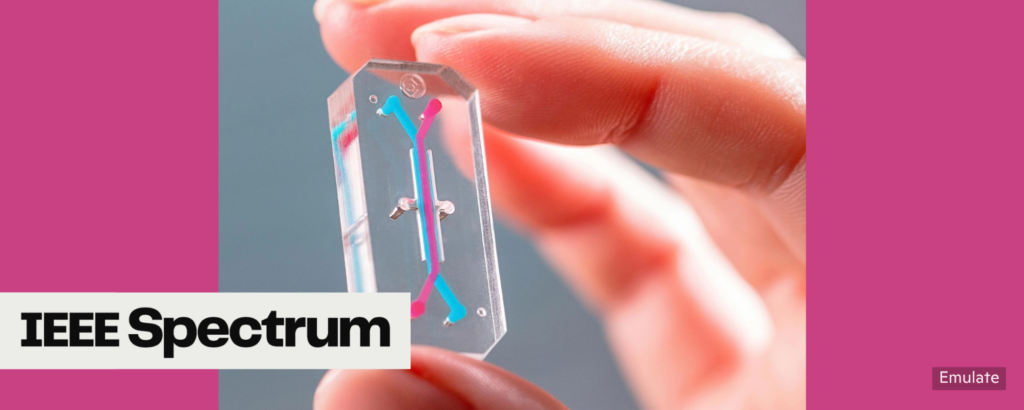
Tech to Replace Animal Testing Is Almost Ready. Scientists Are Not.
Brandon Keim, IEEE Spectrum, 9/29/2026
“As NAMs have become more sophisticated, the question of how they will be implemented has become less about their technical qualities and more about the practical next steps needed to realize their potential. Validating NAMs—standardizing the systems, conducting head-to-head comparisons with animal experiments—is an enormous challenge. Moreover, simply outperforming animal models is necessary but not sufficient. The adoption of NAMs will require changes in policy, training, and culture. ‘This transition process is much more complicated than you would think,’ says Thomas Hartung, a toxicologist and director of the Center for Alternatives to Animal Testing at Johns Hopkins University. ‘It is more about change management than it is about the technology.’”
“‘The formal requirement may disappear, but the informal expectation persists,’ says Kathrin Herrmann, a veterinary scientist and colleague of Hartung’s at the Center for Alternatives to Animal Testing. Regulators, grant reviewers, peer reviewers, journal editors—the human infrastructure of science—often still expect to see animal data and are unfamiliar with NAMs. . . . Animal models are embedded in databases, training programs, and the very culture of research. Scientists who use animals may be reluctant to change; their identities as researchers are tied to animals and, more practically, they’ve spent their careers learning the techniques. A toxicologist who has used rats for decades might understandably look askance when asked to take a chance on unfamiliar chunks of polymer and stem cells—especially when human well-being, or millions of dollars, may ride on the choice. Likewise, an academic scientist whose career was built on animal models may not welcome NAMs; a switch may represent the loss of jobs for lab members whose expertise is no longer relevant.”
“With enough time—and funding, incentives, training, education, collaboration, and generational turnover—the research culture of drug development and safety testing may shift. Whether NAMs will be used in other areas of science, though, is an open question. Early-stage drug development and regulatory testing account for roughly 30 percent of animals used in experiments; the rest are used in basic biological research.” 📰 Full Story →
ATCC’s Advanced Models Platform is Helping to Define the Next Generation of Nonclinical Research
BioSpace, 9/30/2026
“ATCC, a non-profit biological resource center, has been selected for three new federal contract awards using new approach methodologies (NAMs) to advance nonclinical research across infectious disease and oncology. . . . The awards include: • A contract from the [NIH] National Institute of Allergy and Infectious Diseases (NIAID), valued at $4.2 million over a three-year period . . . to develop a human lung-on-a-chip system for testing candidate vaccines and treatments against seasonal and highly pathogenic avian influenza • A contract from NIAID . . . valued at $2.4 million over a four-year period to support the development of a human brain and blood-brain barrier chip for screening antiviral countermeasures against neuroinvasive viruses, including those that cause viral encephalitis • A contract from [FDA]’s Oncology Center of Excellence, valued at $1.7 million over a three-year period . . . to develop standardized, cryopreserved organoid models of pediatric brain tumors that support the agency’s efforts to modernize drug evaluation using human-relevant alternatives to animal testing[.]” 📰 Full Story →
When you share these breakthroughs, you’re helping expose a truth the animal research industry wants to hide: ethical science is better for everyone.
Share this science news roundup on Facebook, X, or Bluesky now.