New Records and Photos Show What Happened to Ridglan-Bred Beagles Inside U.S. Lab
AS SEEN ON FOX6 NEWS MILWAUKEE: See the original investigative report that dropped today.
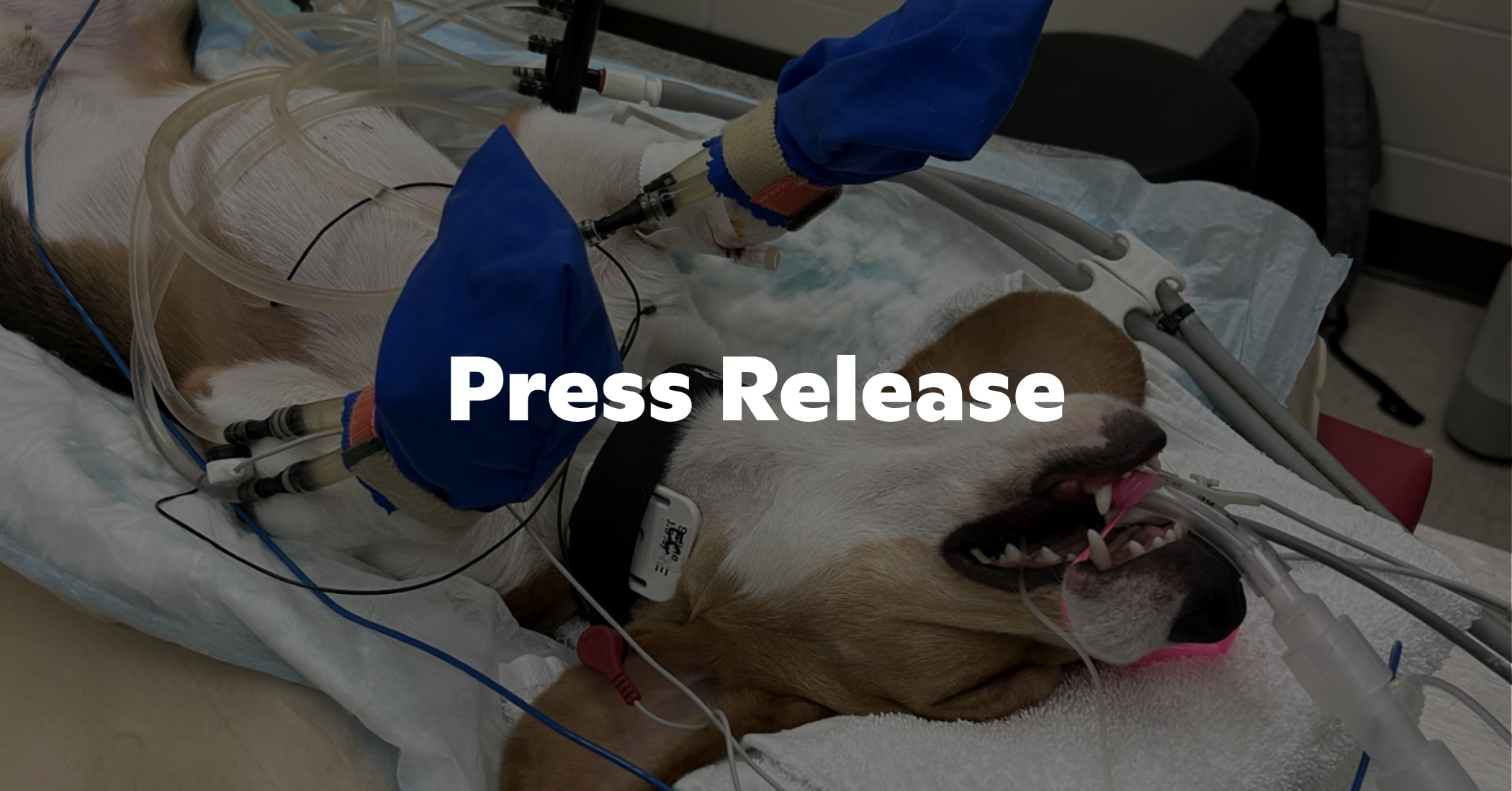
Rise for Animals obtained photographs, veterinary records, and research protocols that appear to trace individual dogs, bred and sold by Ridglan Farms, through University of Wisconsin research studies ending in euthanasia and dissection.
MADISON, WI — June 5, 2026 — From cramped metal cages to loving homes, hundreds of beagles are getting their first tastes of freedom following their dramatic rescue from Ridglan Farms, a large animal research and breeding facility in Blue Mounds, Wisconsin.
But for some dogs, the rescue came too late. Newly obtained records reveal their fate: purchased by research institutions, enrolled in multiple experiments, and ultimately killed.
Rise for Animals secured animal medical records, research protocols, and graphic photographs through a public records request. These documents appear to trace specific Ridglan-bred beagles by tattoo ID from the moment of purchase to euthanasia and dissection. And they name a public Wisconsin institution as one of the buyers.

The Demand Behind the Cruelty
As the second-largest supplier of dogs to U.S. laboratories, Ridglan sold over 6,800 dogs—some just weeks old—between 2022 and 2025 to research institutions across the country. The University of Wisconsin (UW) Veterinary School was among its buyers. So was Labcorp. Purchasing institutions spanned the country—from California, New York, and Texas, to Massachusetts, Pennsylvania, and beyond.
Wisconsin Certificates of Veterinary Inspection records identify UW as the consignee for multiple Ridglan purchases. Animal medical files track individual dogs—identified as “AJC-2,” “DZC-2,” and “ZYC-2,” among others—who arrived at UW in January 2023 and were subjected to a series of experiments, ending in their death that same spring.
According to UW protocol records, the dogs were still under general anesthesia “from an unrelated surgical procedure” when moved to a second procedure before being killed. “Both L and R sides will be injected with new methylene blue. Ten minutes following injection, dogs will be humanely euthanized; dissection will immediately follow to assess the spread of injectate.”

Photographs obtained by Rise for Animals appear to document these experiments and show at least one dog with a visible ear tattoo consistent with Ridglan records.
“This is what animal experimentation looks like. It’s horrific,” said Ed Butler, Executive Director at Rise for Animals. “Institutions like UW and Ridglan want us to believe these dogs are different from the ones we love at home. But that’s a lie—one of the many lies the animal research industry tells to protect its profits, justify its harm, and keep the public in the dark.”
A Massive Industry, Not a Rogue Breeder
The outpouring of public support for Ridglan’s rescued dogs—from Wisconsin, across the country, and on the largest political stages—reflects how deeply people understand that these animals were suffering. What is less visible is the system that exploited them.
Ridglan is not an outlier. It is part of a broader business model that breeds, sells, and uses nonhuman animals across the research industry. At the 2026 ToxExpo—held in San Diego just days after dogs at Ridglan were being carried to safety—Ridglan exhibited alongside customers that conduct chemical testing on animals, including Southern Research and IIT Research Institute. Breeders, sellers, and buyers gathered in one marketplace. Different names. Different victims. The same system, driven by demand.
Today, that system faces mounting pressure.
The same week Rise for Animals obtained these records, the EPA announced renewed efforts to reduce and ultimately replace animal testing requirements with modern, human-relevant methods. As policy shifts emerge, the animal research industry continues to fight for the status quo. For institutions that profit from animal experimentation, blocking progress is a business decision.
“Animal experimentation stops when demand stops,” said Butler. “The dogs rescued from Ridglan are survivors of what’s essentially a factory farm, and it continues to operate. Until the institutions that buy, exploit, and profit from animals in research are held accountable, more animals will suffer the same fate.”
For every dog freed from Ridglan and finding safety in a loving home, countless others were sold into laboratories and never made it out. The records obtained by Rise for Animals offer a rare glimpse into what happened to some of them. But millions more—not just dogs, but also cats, mice, rats, rabbits, monkeys, and other animals—remain imprisoned in laboratory cages and hidden from public view.
The compassion people have shown for Ridglan’s survivors should not end with beagles. Every animal trapped in this system deserves the same consideration, the same protection, and the same chance at freedom.
What Rise for Animals Is Calling For
Rise for Animals is calling on:
- Members of the public to urge your representatives in Congress to pass the SPARE Act, legislation that would end federally funded animal experimentation and accelerate superior, human-relevant science. Send your letter here.
- The University of Wisconsin to publicly account for all its purchases and use of Ridglan-bred dogs.
About Rise for Animals
Rise for Animals is a national animal rights organization working to end animal experimentation for good. We expose the research industry, mobilize activists to demand change, support loving homes for survivors, and champion innovation in human-relevant science.
Contact: Maren Vespia, Head of Media | (971) 288-9217 | press@riseforanimals.org
Media kit with records and photographs (https://bit.ly/RiseforAnimals-UW-Ridglan-Investigation)
###