Here’s a roundup of the latest, biggest news stories related to animal research—all the recent media coverage you need to know right now to be the most effective activist for animals in labs.
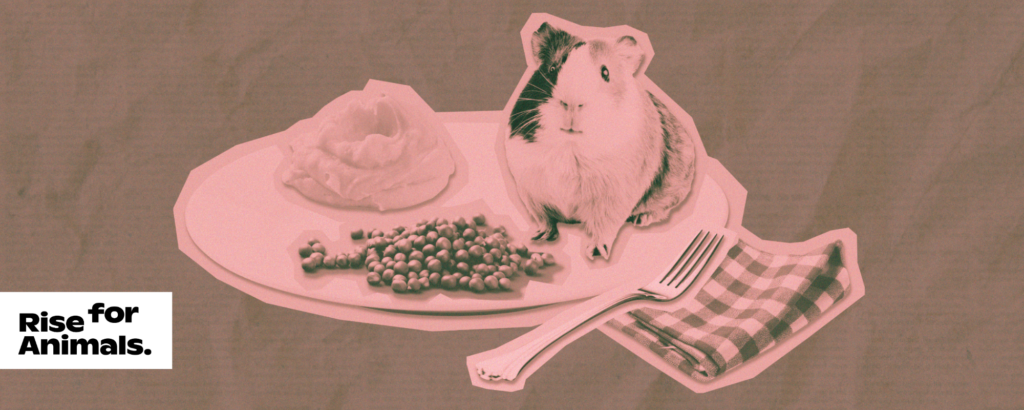
“Test Subjects” on the Dinner Table?
Lindsey Soffes, Rise for Animals, 7/16/2026
You wouldn’t eat your cat or dog, so why are guinea pigs any different? It’s a fair question—and one that shouldn’t end at the dinner table.
Every human-defined label—like “pet,” “food,” or “test subject”—can become an excuse to exploit animals. 📰 Full Story →
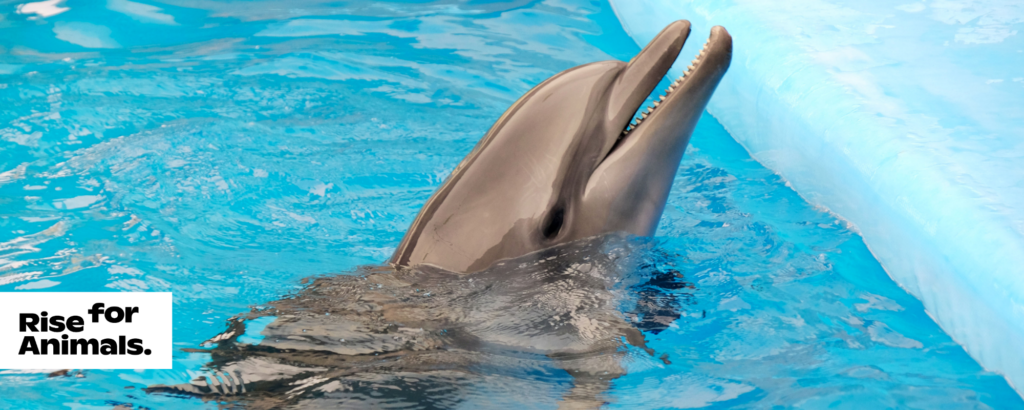
Dolphin Swallowed Artificial Vagina in SeaWorld-Linked Study
Rise for Animals, 7/16/2026
Records newly uncovered by Rise for Animals show the captive animal swallowed an “experimental artificial vagina” in a Texas A&M-Corpus Christi study that involved the collection of dolphin semen. Researchers’ solution? Make the device bigger and harder to swallow. 📰 Full Story →
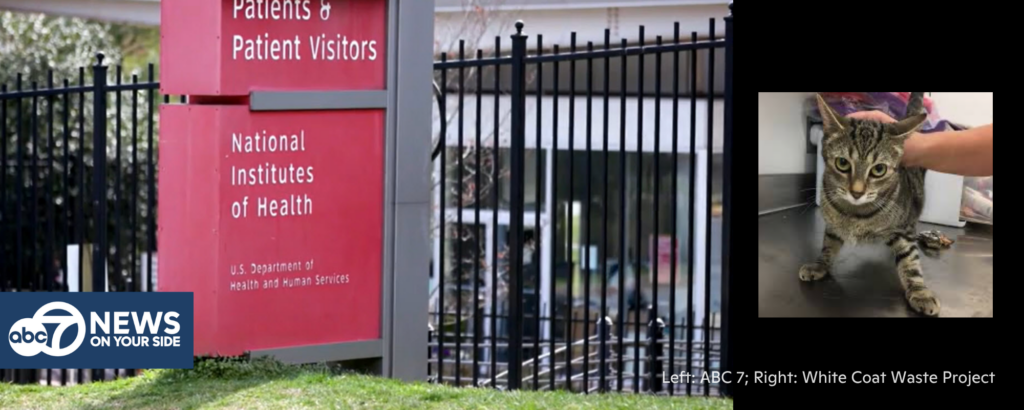
New NIH records raise questions about kittens still used in federal research
Scott Taylor, ABC 7, 7/9/2026
“A controversial federal kitten research program that the 7News I-Team and the White Coat Waste Project helped expose in 2019 was shut down by the U.S. Department of Agriculture, with the remaining kittens adopted into permanent homes. Now, newly obtained records are raising questions about whether similar NIH-supported toxoplasmosis research involving cats has continued at the National Institutes of Health’s campus in Bethesda.”
“According to those records, NIH researchers requested approval to use 54 cats in two studies titled ‘Toxoplasmosis Vaccine Development in Cats.’ The records indicate the projects were scheduled to run from 2021 through the end of this year. Additional NIH records show researchers purchased six two-month-old female cats in 2022 and four five-month-old female cats in October 2024. According to the documents, researchers planned to feed the cats infected mouse tissue and monitor their feces for parasites.”
“White Coat Waste Project alleges the records show NIH quietly continued research similar to the program many Americans believed had ended. ‘NIH quietly insourced those experiments to its facility in Bethesda and restarted them after Congress, the public, and the press were told they were shut down,’….” 📰 Full Story →

New ad resurrects Shri Thander’s ‘abandoned’ animal lab controversy
Melissa Nann Burke, The Detroit News, 7/9/2026
“A head-turning new ad from the Democrat challenging two-term U.S. Rep. Shri Thanedar of Detroit surfaces an old story about 170 dogs and monkeys rescued from cages in Thanedar’s New Jersey pharmaceutical lab in 2010 after his companies went into receivership. ‘Shri Thanedar tested drugs on dogs, then left them to die,’ the narrator says in the 30-second spot that calls the congressman ‘one sick puppy.’”
“Thanedar has long maintained the animals were never abandoned. But the ad summarizes news reports from the time of the incident that said caretakers reportedly climbed the fence around the facility to take the animals food and water. A judge later ordered the animals ― which were used to test medications and chemicals ― to be placed in sanctuaries and shelters. . . . In 2018, Thanedar claimed that a creditor, Bank of America, was responsible for the animals during the receivership and stressed that the animals had been placed in shelters. But HuffPost and other outlets found court records showing that Thanedar’s lawyers had argued that the animals should instead be sold (for example, to another testing site) for the benefit of the creditors.”
“ . . . Thanedar pointed to his endorsement from the group Animal Wellness Action back in January. . . . The animal-welfare group said in 2024 that it’s aware of the congressman’s past ownership of the lab that ‘reneged’ on its care of the dogs, but stressed that Thanedar has made animal welfare a legislative priority and received a 100% rating on the group’s congressional scorecard.” 📰 Full Story →
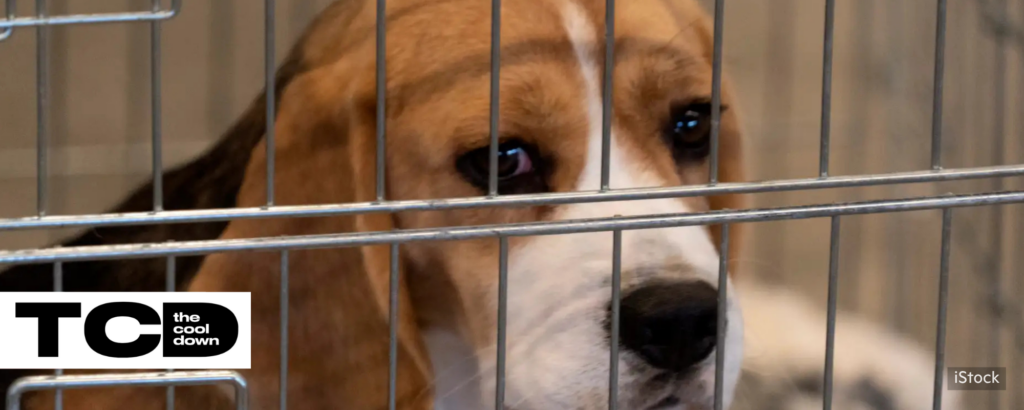
Wisconsin charges more than 40 people over viral beagle release at former research breeder
Aaron Goldstein, The Cool Down, 7/10/2026
“Wisconsin prosecutors have brought charges against more than 40 people accused of participating in raids at the Ridglan Farms dog-breeding operation tied to medical research. The development has renewed outrage over how animals are treated out of public view and raised new questions about how far activists can legally go when they believe official systems have failed.”
“The case reflects broader frustration with systems and industries that are legal but many see as morally unacceptable.” 📰 Full Story →
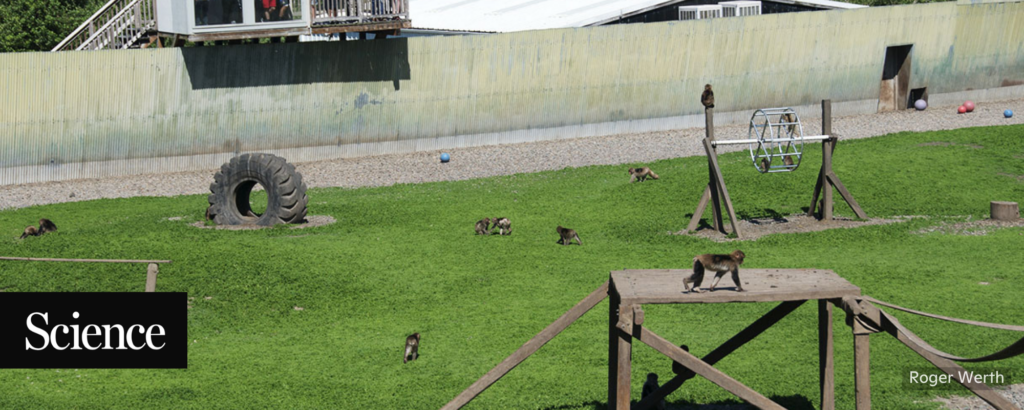
Plan to turn major monkey research facility into sanctuary may be dead
David Grimm, Science, 7/13/2026
“The Oregon Health and Science University (OHSU) has apparently abandoned a controversial plan to turn its massive primate center into a sanctuary. . . . OHSU President Shereef Elnahal told faculty leaders the plan could not move forward because of a lack of federal funding, a person who was present tells Science. . . . The following day, ONPRC Director Rudolf ‘Skip’ Bohm relayed the information to the center’s employees. ‘This is very good news,’ he wrote in an email obtained by Science.”
“An OHSU spokesperson says Bohm’s email is not an official communication and is not accurate. ‘OHSU executive leaders have not made any decisions about whether to transition the primate center to a sanctuary.’ The spokesperson notes that the university’s board of directors will meet on 27 July to provide an update on negotiations with NIH.” 📰 Full Story →
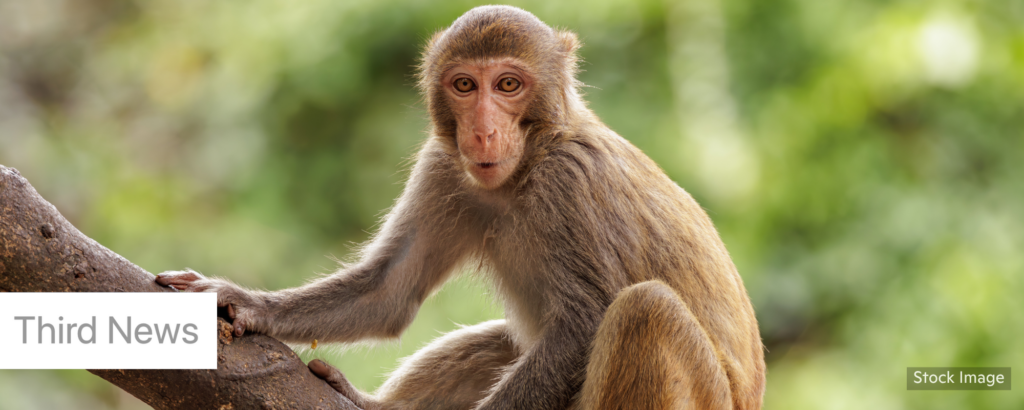
Second Rejection of Long-Tailed Macaque Petition Raises Ethical Concerns in Conservation Efforts
Third News, 7/14/2026
“In a significant decision on July 14, 2026, the U.S. Fish and Wildlife Service (USFWS) has once again turned down a petition from People for the Ethical Treatment of Animals (PETA) and various activist organizations. This petition sought to list long-tailed macaque monkeys (Macaca fascicularis) under the U.S. Endangered Species Act (ESA). This marks the second consecutive time that the USFWS has denied such a request within the last three years.”
“The USFWS determined that the evidence provided by PETA and its allies did not present substantial scientific information justifying the need for further evaluation. The rejection has sparked conversations in both conservation circles and the biomedical research community regarding the welfare of these primates and their vital role in scientific advancements.” 📰 Full Story →
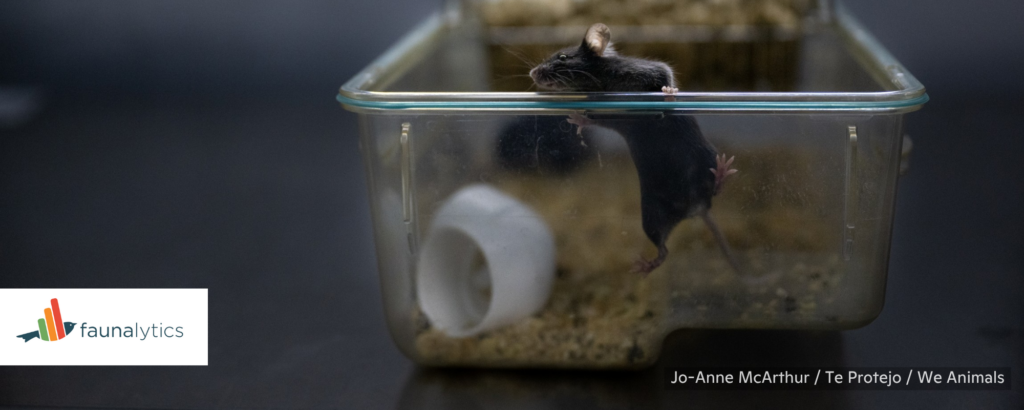
Laboratory Rodents Deserve Better Than Improvised Killing Methods
Meghann Cant, Faunalytics, 7/16/2026
“Cervical dislocation is the most common killing method for mice and rats in U.K. laboratories, yet it’s applied inconsistently, often with improvised tools, raising serious animal welfare concerns. . . . The technique involves separating the vertebrae at the top of the spine and can be performed either manually, using the thumb and forefinger, or with a mechanical aid. . . . Despite its widespread use, no standardized technique exists, and no purpose-built, commercially validated tool for rodent cervical dislocation is currently on the market.”
“The tools in use across U.K. labs were largely improvised — ordinary objects never designed for killing. For mice, the most commonly reported items included metal rods (27%), closed scissors (20%), and pens (16%). For rats, metal rods were most common (42%), followed by cage scrapers and closed scissors (both 18%), along with items as improvised as broom handles, rulers, and wrenches (2% each). Alongside the diversity of tools, there was little agreement about which physical actions are needed for the technique to work. . . . The survey found no clear consensus on these fundamentals among laboratory personnel, suggesting that practice is guided more by institutional habit and personal preference than by scientific evidence. ”
“This is the first study to document in detail how cervical dislocation is applied to rodents across U.K. research institutions, and the picture it reveals is troubling. Mice and rats are routinely killed using improvised, unvalidated objects, with techniques that differ widely and lack any empirical grounding. . . . a study documenting such widespread inconsistency in even the most basic welfare protection raises hard questions about whether the institutions and regulations governing animal research are able to live up to their stated commitments.” 📰 Full Story →

Save the Dogs to hold silent protest in Harrogate next week to highlight ‘cruelty to animal testing’
Graham Chalmers, Harrogate Advertiser, 7/16/2026
“Protesters against animal testing are expected to gather in Harrogate from across Britain next week over a drug development facility on the site of what was Covance.”
“[Labcorp] Harrogate’s return to the spotlight over the treatment of animals coincides with the launch of Save The Dogs in April to bring national attention to the cruelty of laboratory beagle breeding and animal testing. Built as a social-first campaign, Save The Dogs UK says it exists to raise awareness of laboratory beagle breeding, campaign for an end to animal testing, and promote greater investment in modern, human-relevant alternatives.” 📰 Full Story →
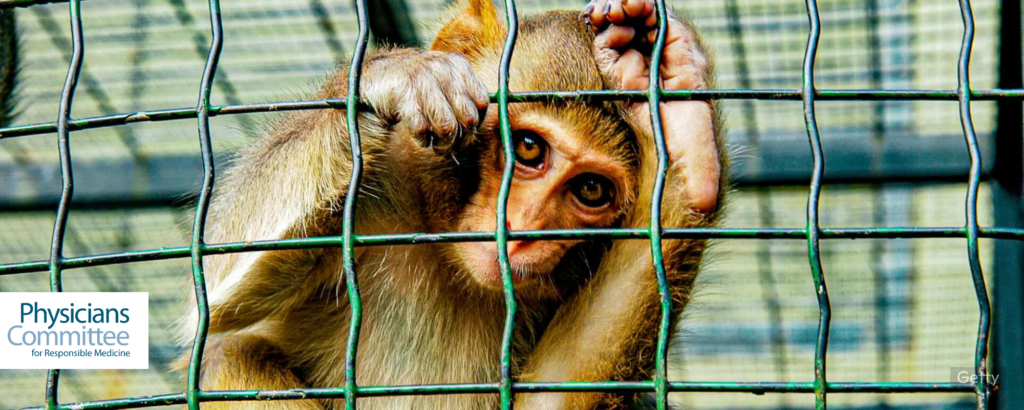
Art Mirrors Life: Animal Experimentation Anxieties Depicted On Screen
Mikalah Singer, Physicians Committee for Responsible Medicine, 7/15/2026
“Apple TV’s acclaimed series Pluribus, which was just nominated for 18 Emmy Awards, has sparked conversations about ethical dilemmas, moral considerations, and alarming animal experimentation concerns. In the pilot episode, a rat bites a lab worker—a not uncommon occurrence in animal labs—highlighting both practical risk and the ethical tension inherent in a scientific system built on outdated models.”
“While Pluribus, Rise of the Planet of the Apes, and 28 Days Later are fiction, they depict real scientific and ethical anxieties. The global hivemind, monkey revolution, and zombie apocalypse remind us that reliance on animal experimentation is scientifically flawed and ethically fraught.” 📰 Full Story →

Lab monkey prices at record highs as China’s biotech boom fuels windfall for breeders
Emma Ma, South China Morning Post, 7/16/2026
“Soaring demand for preclinical testing in China’s biotech industry has created an unexpected windfall for the laboratories that breed monkeys used in drug trials. Beijing-based Joinn Laboratories, a contract research organisation (CRO) dual listed in Shanghai and Hong Kong, said on Wednesday that its first-half net profit attributable to shareholders would surge 1377.4 per cent from a year earlier . . . The biotech CRO cited higher pricing for its laboratory animals as the core growth driver, with analysts singling out lab monkeys.”
“‘Costs of lab primates – most notably crab-eating macaques – started trending upwards from the middle of last year,’ . . . Survey data compiled by the analyst showed that each crab-eating macaque fetched 90,000 yuan (US$13,301) in the middle of last year. But this June, prices per macaque have surged to 178,000 yuan, according to tender results released by the National Institute for Food and Drug Control. He Zhengming, deputy secretary general of the Chinese Society of Laboratory Animals, said that some primate breeding farms were now quoting crab-eating macaques at around 200,000 yuan each, higher than the 194,000 yuan peak four years ago during the pandemic.”
“This sharp run-up in prices is tied to soaring preclinical testing demands from home and abroad. . . . US pharmaceutical firms represent [a] major source of demand. ‘Domestic appetite remains robust, but the rally in the crab-eating macaque prices that kicked off last May was also driven by overseas demand,’ an expert with decades of experience in the lab animal industry said on the condition of anonymity. . . . ‘US drug makers have purchased large volumes of primates from key exporting nations including Cambodia, Laos and Vietnam, and have taken control of several major breeding facilities in those countries over recent years,’….” 📰 Full Story →
Help spread the word. Share this news compilation on Facebook, X, or Bluesky.