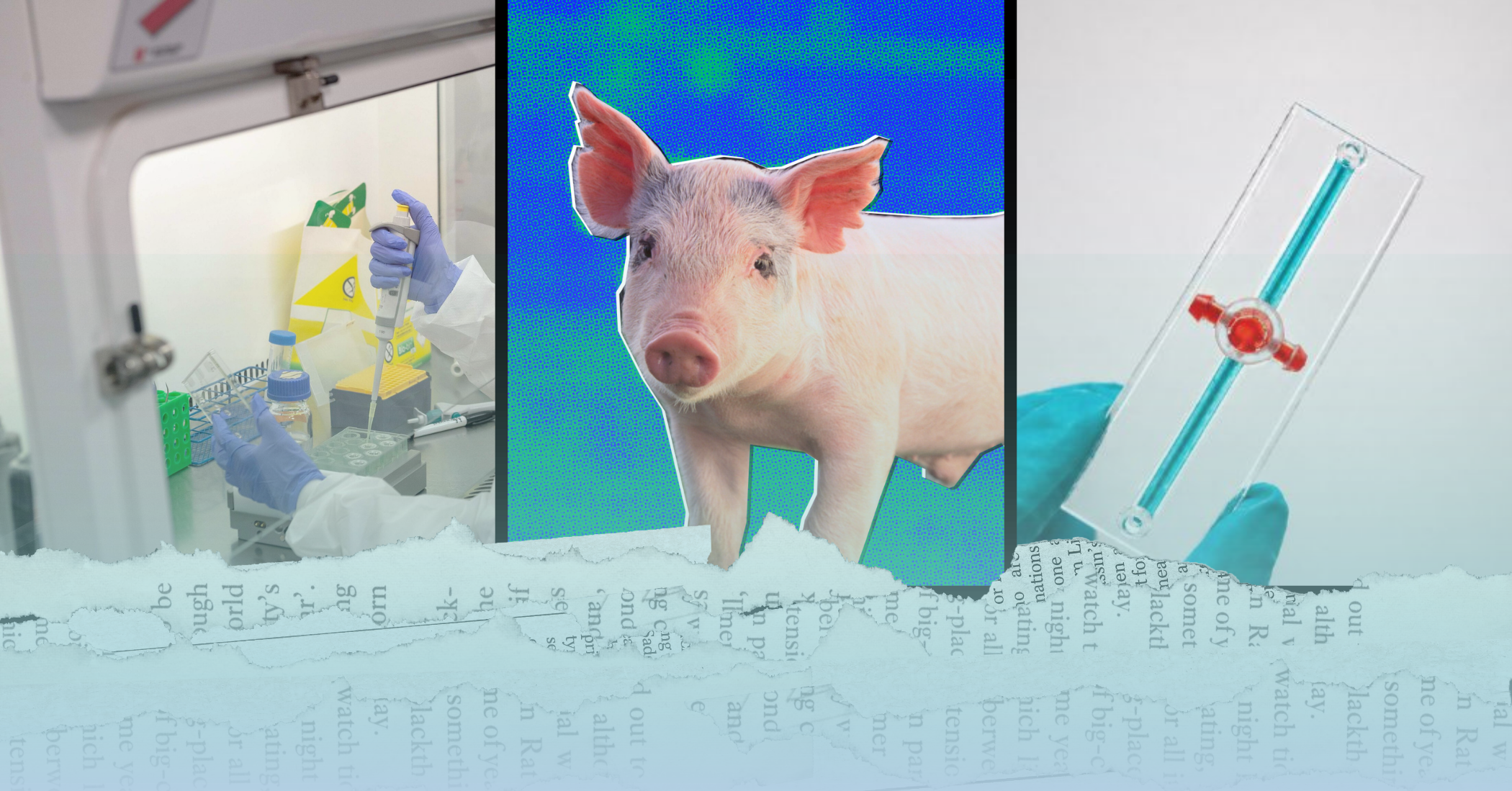
While the animal research industry continues to breed, buy, cage, torture, and kill sentient beings, progressive scientists are busy proving that human-relevant science is not only possible but, in fact, better for us all. Highlights in science from the last month are below.
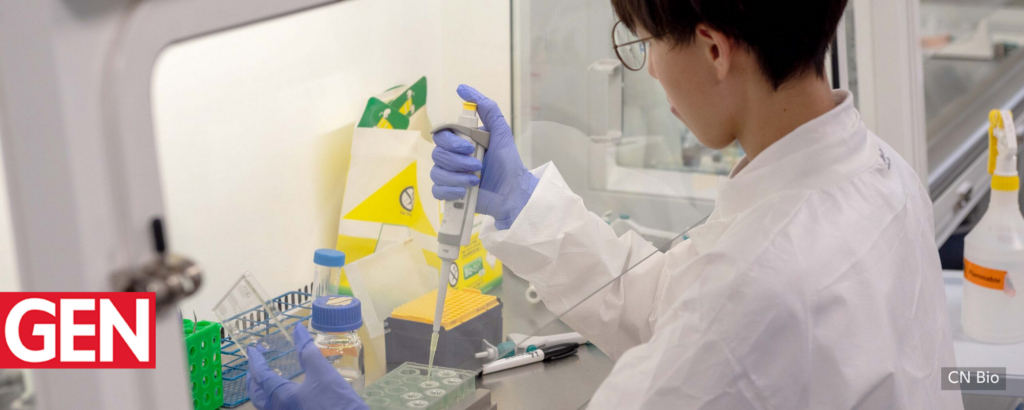
Organ Chips Move Towards Mainstream Drug Development, with Hurdles Ahead
Uduak Thomas, GEN, 6/1/2026
“For organ-on-chip developers, growing interest from federal agencies is a welcome trend. They are currently generating the data necessary to show that their technologies can work in stringent regulatory environments. However, there are still outstanding questions around validation standards, regulatory expectations, and how NAM data will be evaluated in submissions. At the same time, adoption remains slow, with drug developers continuing to rely largely on established animal models, which command billions in investment compared to the much smaller organ-chip sector.”
“Still, it is clear that momentum is building behind NAMs. And in response, organ-chip developers are stepping up to ensure that their platforms can produce results when the time comes.” 📰 Full Story →
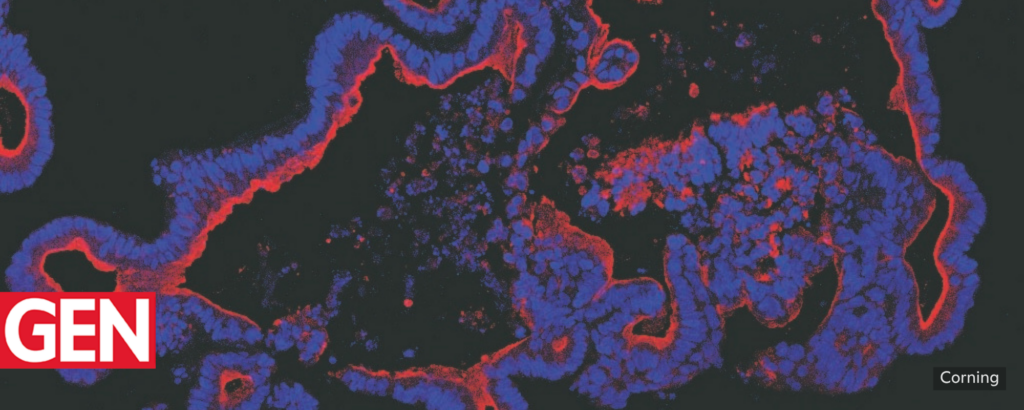
Corning Advances the Organoid Revolution
Corning, GEN, 6/1/2026
“‘Corning is helping to overcome challenges to adopting NAMs such as organoid models by providing specialized consumables and reagents that are essential to generating more in vivo-like models,’ said Hilary Sherman, senior applications scientist at Corning Life Sciences. Sherman pointed to products including ‘Corning Matrigel Matrix, Transwell Permeable supports, and a wide variety of specialized plasticware for spheroid and organoid culture’ as foundational technologies supporting the transition toward more predictive biological systems.”
“‘The most important part is we can now grow structures that really represent a small part of the human body,’ [Hans Clevers, MD, PhD, “an organoid pioneer and distinguished professor at Hubrecht Institute”] said. ‘Animals are complete organisms, but they’re not humans.’ According to Clevers, many diseases—particularly chronic human diseases—are poorly modeled in animals, limiting translational success in drug development.” 📰 Full Story →

KRIBB transfers stem cell intestinal organoid therapy to Organoid Science in 8.3 billion won deal
GaHyeon Jo, DongA Science, 6/2/2026
“With the transfer of stem cell–based intestinal organoid regenerative therapy technology to a private company, the development of therapeutics for intractable intestinal diseases is entering a full-fledged phase. The Korea Research Institute of Bioscience and Biotechnology (KRIBB) announced on the 2nd that it has transferred to Organoid Science Co., Ltd. the ‘source technology for human intestinal organoid–based regenerative therapeutics and drug evaluation platforms’….”
“Organoid Science plans to pursue the development of regenerative therapeutics for intractable intestinal diseases while also expanding the technology as a New Approach Methodologies (NAMs) platform to evaluate drug efficacy and toxicity. This is expected to help reduce animal testing in drug development and build an evaluation system that precisely reflects the human intestinal environment.” 📰 Full Story →
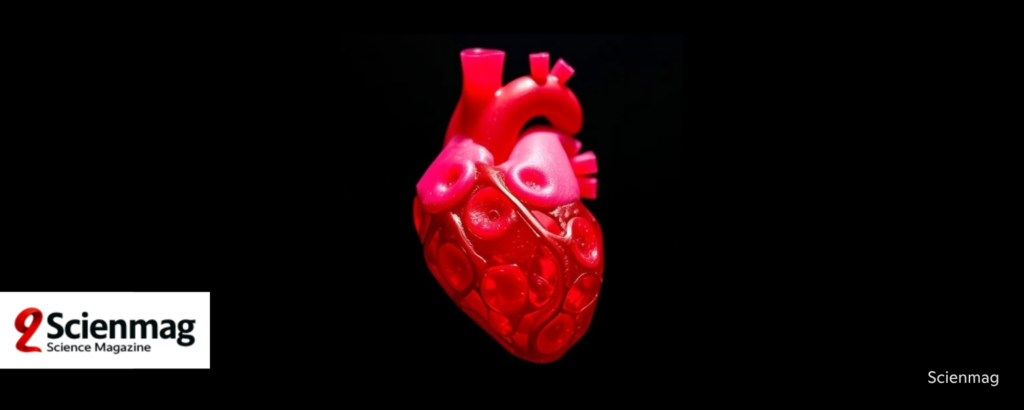
Self-Assembled Cardiac Organoids Model Heart Chambers
Scienmag, 6/2/2026
“In a groundbreaking leap for cardiovascular research, scientists have engineered self-assembled chamber-like cardiac organoids that faithfully mimic the complex architecture and functionality of human heart chambers. This pioneering development not only provides a transformative model for studying cardiac chamber formation but also establishes a robust platform for assessing drug-induced cardiotoxicity, potentially revolutionizing how new therapeutics are evaluated before clinical trials.”
“ . . . the chamber-like organoids serve as a sophisticated platform for pharmacological screening. Drug-induced cardiotoxicity remains a pervasive challenge in drug development, often causing late-stage failures or post-market withdrawals. Current preclinical models, including animal testing and 2D cultures, only partially recapitulate human cardiac physiology, limiting predictive accuracy. These self-assembled cardiac organoids, by contrast, provide a human-relevant context to assess the electrophysiological, structural, and contractile effects of novel compounds, capturing subtle toxicities that conventional assays might overlook.” 📰 Full Story →

US FDA to review AI-based tool to predict drug-related liver damage
Reuters, 6/3/2026
“The U.S. FDA’s Center for Drug Evaluation and Research said . . . it has accepted a letter of intent for an artificial intelligence-based drug development tool designed to help predict drug-induced liver injury. Drug-induced liver damage is a major cause of trial failures, and current methods do not reliably predict human risk. The U.S. Food and Drug Administration said the tool could potentially help improve early safety assessments, reduce reliance on animal testing and support more informed decisions before human trials begin.”
“The tool, an AI-driven digital liver model, has been admitted to the agency’s Innovative Science and Technology Approaches for New Drugs (ISTAND) pilot programme. . . . The acceptance marks the first step in a multi-stage qualification process that would allow drugmakers to use the tool in regulatory submissions if approved.” 📰 Full Story →
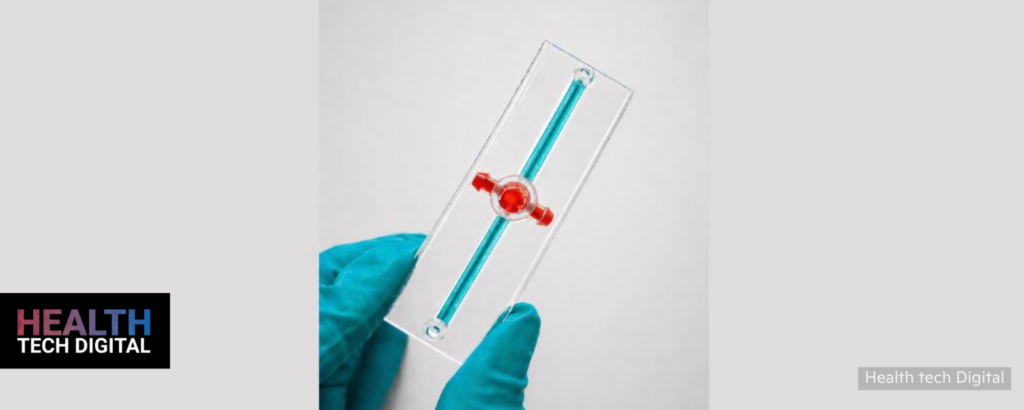
Living ‘tumour on a chip’ could give best ever insight into aggressive brain cancer
Health Tech Digital, 6/4/2026
“Scientists are creating a glioblastoma ‘tumour on a chip’ – a tiny living system capable of mimicking the key features of the human brain and providing a deeper understanding of how the aggressive brain cancer works.It is hoped that the Nottingham Trent University study will provide fresh insight into how glioblastoma tumours grow and how medicines can best reach them.”
“The research, in partnership with biotechnology company Kirkstall Ltd, involves combining human-derived cells with a microfluidic system. . . . By studying brain cancer more effectively the aim is to provide a more accurate, human-relevant way to test chemotherapies, paving the way for new treatments and improving the likelihood of promising drugs reaching patients. The work could also replace the need for large numbers of animals in early‑stage glioblastoma drug studies.”
“‘There is an urgent need for better ways to test new treatments before they reach clinical trials,’ said lead researcher Professor Gareth Cave, a scientist in Nottingham Trent University’s School of Science and Technology. He said: ‘Current laboratory models, including those that rely on animals, often fail to accurately reflect how glioblastoma behaves in the human brain, meaning many potential drugs show promise in early testing but do not work in patients. We are creating a platform which more accurately reflects the human brain environment and has potential to fundamentally change how glioblastoma treatments are developed. This project represents an important step toward more predictive, ethical and impactful cancer research.’” 📰 Full Story →

Human cervix chip model advances personal care research without animal testing
Elizabeth Green, Personal Care Insights, 6/5/2026
“The world’s first cervix organ-on-chip model has been developed, enabling the real-time monitoring of cervicovaginal cell responses. This breakthrough could be used to test or develop new intimate care products in the future. The cervix chip model is currently one of the closest laboratory models of the human cervix. Its ‘human-relevant platform’ can assess the safety of new personal care products — testing their toxicity and effects on the structure, function, and health of female genital mucosal tissue. The technology . . . is positioned as a ‘world-first’ in human-based safety testing without the use of animal testing.”
“ . . . the chips have been designed to ‘provide more human-relevant responses than animal models or overly simplified cell culture systems. These models can be used to assess how products affect mucus production, inflammation, tissue health, and barrier function, helping identify formulations that may cause irritation, discomfort, or increased susceptibility to infection.”
“‘Animal testing is not ideal for this purpose because animals do not share many important aspects of human reproductive biology; they do not menstruate, do not undergo the same hormonal changes as humans, and have very different microbiomes and immune responses. As a result, safety findings from animal studies often do not fully translate to humans.’” 📰 Full Story →
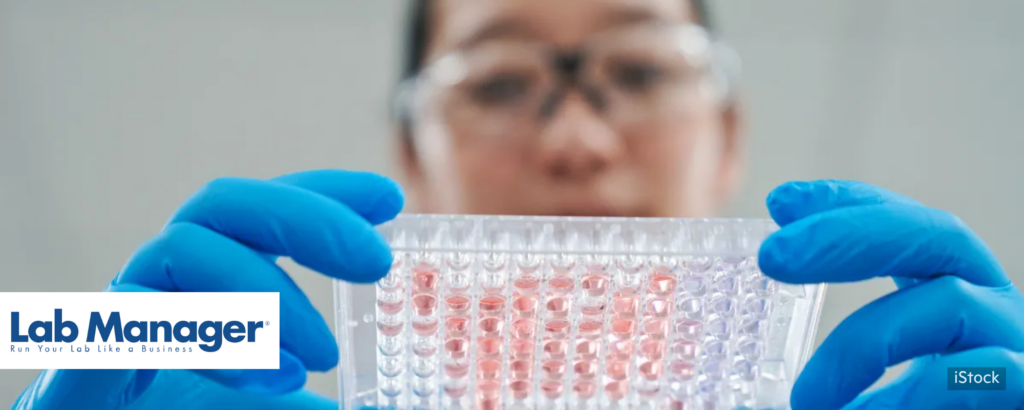
US and European Regulators Advance Alternative Test Methods for Chemical Safety Assessments
Michelle Gaulin, Lab Manager, 6/8/2026
“Regulators in the US and Europe have announced new initiatives to advance the use of alternative test methods in chemical safety assessments. The developments reflect continued efforts to reduce reliance on animal testing while expanding the tools available for evaluating chemical hazards. For laboratory managers working in analytical testing, toxicology, and regulatory compliance, the announcements may signal a gradual shift in the types of data and methodologies accepted by regulatory agencies.”
“The US Environmental Protection Agency (EPA) has added 13 new approach methodologies (NAMs) to its list of accepted methods under the Toxic Substances Control Act (TSCA) and the Federal Insecticide, Fungicide, and Rodenticide Act (FIFRA). The agency also announced a new process that allows scientists, industry representatives, and other stakeholders to nominate additional methods for consideration. According to the EPA, the goal is to create a more consistent pathway for evaluating and incorporating emerging non-animal approaches into regulatory decision-making.” 📰 Full Story →
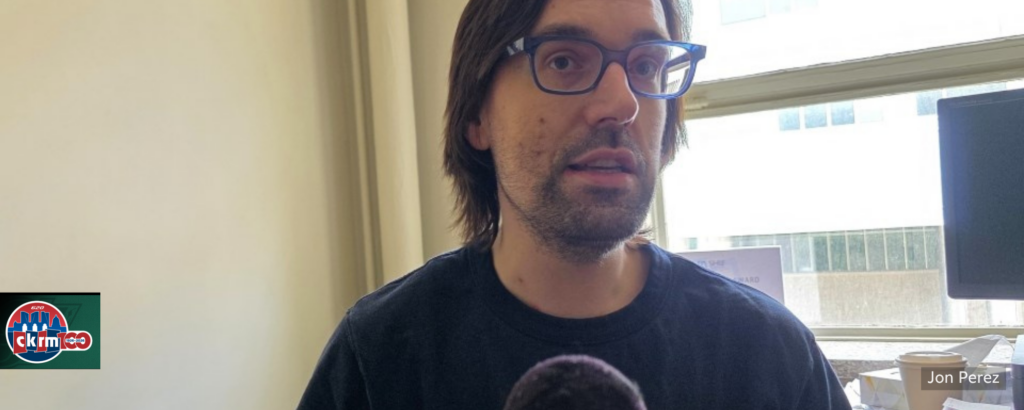
U of S researcher grows ‘mini-brains’ to tackle childhood disease
Jon Perez, CKRM, 6/11/2026
“Tyler Wenzel once taught high school students how the body works. Now, the former biology teacher is growing ‘mini-brains’ in a University of Saskatchewan laboratory as he searches for new ways to treat pediatric brain diseases.”
“His doctoral research examined the brain’s immune system, a little-known network of specialized cells that reside within brain tissue itself, revealing important differences between human and commonly used laboratory animal immune systems and reinforcing his desire to focus on human-centred research. . . . After completing his PhD, he focused on developing methods to create human brain tissue in the laboratory. His team can now grow ‘mini-brains’ — tiny models that mimic aspects of the human brain and replicate specific genetic diseases. Wenzel, now an assistant professor at the University of Saskatchewan, is at the forefront of research that could transform how some childhood brain disorders are treated, potentially eliminating the need for chemotherapy and radiation while shortening recovery times.” 📰 Full Story →

Organs-on-a-Chip Offer “Elegant” Solution to Quandary of Animal Models in Drug Design
Lindsey Leake, Inside Precision Medicine, 6/12/2026
“Emulate was the first organ-on-a-chip company granted acceptance to [FDA’s Innovative Science and Technology Approaches for New Drugs (ISTAND) program], Ewart said. The FDA noted its Liver-Chip S1 is designed to predict drug-induced liver injury, a major reason why drugs fail safety testing in trials and are withdrawn from the market. ‘We’re in the final phase now of the program,’ Ewart said. ‘Looking forward to trying to obtain qualification in 2027.’”
“While drugmakers and the general public alike stand to benefit from accelerated drug discovery, Weiqiang Chen, PhD, designs chips for patients who lack the luxury of time. Chen, a professor of biomedical, mechanical, and aerospace engineering at NYU’s Tandon School of Engineering in Brooklyn, helped develop the first immunocompetent leukemia-on-a-chip. . . . The chips are constructed using a leukemia patient’s own cells. Meaning, Chen said, the observed therapeutic response is not only more accurate than it would be in an animal model but also patient-specific. . . . The lab is also exploring other immunologic uses for organs-on-a-chip, including a lymph node-on-a-chip that can help validate new vaccines.”
“Through their bone-on-a-chip, [researchers at Oregon Health and Science University Knight Cancer Institute’s Precision Fabrication Hub] are studying cancer metastasis” and “investigating potential uses for the bone-on-a-chip in regenerative therapies.”
“While complete bodies-on-a-chip remain a pipe dream, Vivodyne is among the companies investigating how different organs-on-a-chip interact with one another. Orlando-based Hesperos, for one, manufactures a Human-on-a-Chip® that can replicate several organs on a single device. TissUse, of Berlin, is developing multi-organ chips to mirror male and female environments: the HUMIMIC ChipXY and HUMIMIC ChipXX.” 📰 Full Story →

Brisbane Biotech Gelomics Combines AI With Lab-Grown Human Tissue To Cut Animal Drug Testing
Nick Ross, SMBtech, 6/15/2026
“Brisbane-based biotech company Gelomics is using an AI-powered platform to create lab-grown human tissue models for drug testing, offering pharmaceutical researchers an alternative to animal experiments in early-stage development. The company’s system combines automation, machine learning and tissue engineering to produce miniature functional tissue models – such as beating cardiac tissue or liver structures – that can reflect how drugs may behave in the human body. Its integrated laboratory device uses photocuring technology to reduce tissue manufacturing time from around four hours to approximately 10 minutes. The platform is now being used by around 300 researchers across 23 countries including Australia, New Zealand, Singapore, the United States, Japan and several European nations.”
“Christoph Meinert, CEO of Gelomics, pointed to the disconnect between animal models and human biology as a core limitation. ‘The issue is that these models don’t translate well to human biology. For example, results from mouse studies rarely correlate with human outcomes. In fact, more than 90 per cent of drug candidates that pass years of preclinical testing still fail in human clinical trials,’ Meinert explained. ‘Instead of testing drugs and compounds in animals, we can actually generate tissues that look, feel and behave and react to drugs just like real human tissues in the lab.’ Meinert described the reduction of unnecessary animal testing as central to the company’s objectives. ‘At a high level, success means a reduction in unnecessary animal testing. That’s a core part of our mission.’” 📰 Full Story →
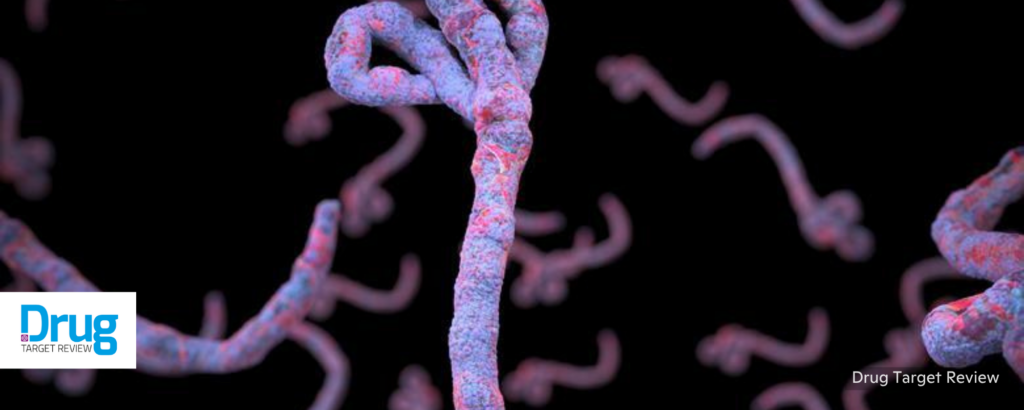
Cerebral organoids reveal how Ebola virus persists in neural tissue
Drug Target Review, 6/18/2026
“One of the most challenging aspects of Ebola virus is how the virus survives long after acute infection has resolved. Infectious Ebola virus has been detected months or even years after recovery, indicating that viral reservoirs can remain within the body despite an apparently successful immune response. . . . A new study . . . used cerebral organoids derived from human induced pluripotent stem cells (iPSCs) to investigate how Ebola virus persists in the central nervous system. Using this model, the team showed that Ebola virus can establish long-term infection in human neural tissue while continuing to replicate, spread and accumulate genetic changes.”
“Studying viral persistence in the human brain presents significant challenges. Access to patient tissue is extremely limited, while animal models cannot fully reproduce the complexity of human neurological disease. As a result, researchers still do not fully understand which cell types support long-term infection, whether the virus continues to replicate during persistence, how local immune responses influence disease progression, or which viral genetic changes emerge over time. Addressing these questions requires experimental systems capable of supporting long-term infection while capturing key features of human tissue biology. This is where cerebral organoids have begun to provide researchers with a valuable new tool.” 📰 Full Story →
Scientists infected a ‘vagina on a chip’ with gonorrhea — then cured it with a new antibiotic found by AI
Kamal Nahas, LiveScience, 6/26/2026
“With the aid of AI, scientists have identified a potential new antibiotic to treat gonorrhea, a sexually transmitted bacterial infection that’s increasingly resistant to drugs. The newfound antibiotic has shown promise in lab experiments involving a ‘vagina on a chip,’ researchers report in a new study.”
“Scientists often use laboratory mice to study new drugs, but it’s difficult to establish a gonorrhea infection in mice. That’s because the bacteria are so adapted to humans, study co-author Dr. Melis Anahtar, a physician scientist at Massachusetts General Hospital, told Live Science. . . For this study, the researchers [used] a vagina-on-a-chip model.” 📰 Full Story →
The global push to reduce animal testing in drug development
Drug Target Review, 6/28/2026
“Governments and regulatory bodies across the UK, US, EU and Canada are taking steps to reduce reliance on animal testing, while advances in human-relevant science continue to expand the range of available non-animal test methods. The question now is how quickly those scientific advances can be translated into regulatory practice. . . . Despite increasing regulatory interest in non-animal methods, animal testing remains deeply embedded within drug development and regulatory safety assessment. Human-relevant approaches are already used during drug discovery, but their use across later stages of development and regulatory testing remains more limited.”
“ . . . the US still lacks a comprehensive national framework. ‘What we have is a collection of individual agency commitments and roadmaps, each developed somewhat independently, rather than a unified national plan with shared goals, timelines and accountability mechanisms.’”
“‘The science is ready to move faster than the regulatory and cultural systems that govern it. Closing that gap is the challenge this moment demands,’….” 📰 Full Story →
VivoSim Demonstrates Leadership in Field through AI-enabled NAMkind™ Liver and Intestine with High Accuracy Results, Including for Antibody Drug Conjugates (ADCs)
VivoSim Labs, Inc., Global Newswire, 6/29/2026
“VivoSim Labs, Inc. . . . announced that data demonstrating the power of its advanced 3D human tissue models [VivoSim’s proprietary AI-enabled NAMkind™ Liver and NAMkind™ GI platforms] will be featured in two presentations at the European Society of Toxicology’s annual conference.”
“In liver toxicology testing, across a set of compounds where animal models and traditional methods provide 50-65% sensitivity, VivoSim’s models provided >90% sensitivity at detecting true positives for liver toxicity. Whereas current methodologies including animal in vivo testing can result in >10% false positives (wrongly predicted to have liver tox when they do not, causing rejection of a viable drug candidate), VivoSim’s liver toxicology methods result in fewer than 5% false positives.”
“Overall, the findings show that the Company’s human-relevant models can predict liver and gastrointestinal toxicity — for both traditional small molecules and complex antibody-drug conjugates (ADCs) — with accuracy that tracks real clinical outcomes.” 📰 Full Story →
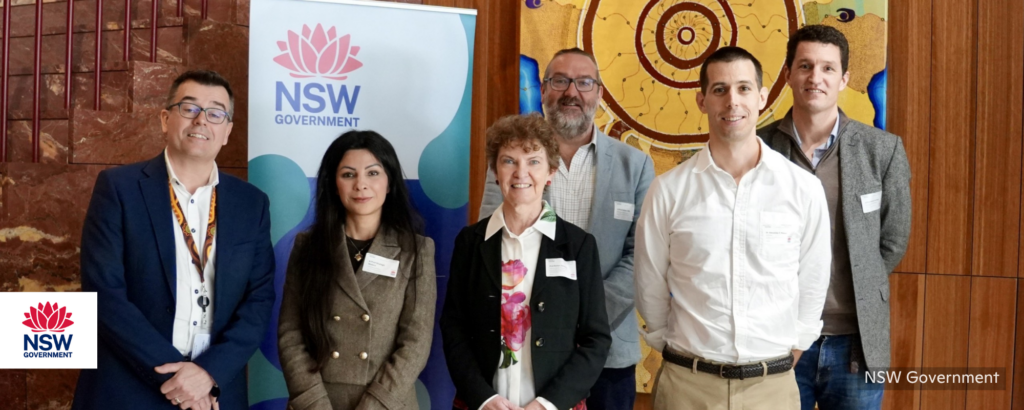
Researcher growing retinas in the lab to treat blindness wins NSW Govt grant to advance non-animal testing technologies
NSW Office for Health and Medical Research, 6/29/2026
“A Sydney-based researcher who uses tiny lab-grown retinas to help identify inherited blindness treatments is one of three recipients sharing in a $600,000 NSW Government grant scheme to fund medical research without the use of animals.”
“Two additional recipients have also been awarded $200,000 funding under the scheme including: • Dr Alexander Mason at the University of Wollongong, in partnership with the Imperial College London, UK, to develop programmable microbeads that deliver precisely the right chemical signals to grow functional human tissue in the lab, giving researchers a reliable, human-relevant way to test new therapies without using animals. • Associate Professor Antoine de Weck at the Children’s Cancer Institute, in collaboration with Monash University, is building CrypTox: a world-first computer model that predicts the side effects of a new class of medicines targeting conditions like spinal muscular atrophy and Huntington’s disease.”
“The grants have been funded through the Non-Animal Technologies Network (NAT-Net) Research Pillar Competitive Grant Scheme . . . ‘The Non-Animal Technologies Network [NAT-Net] was established to ensure NSW researchers have what they need to deliver world-class science by making research more relevant to human biology. These grants put that promise into action.’” 📰 Full Story → ‘

Lush presents economic case for expanding UK’s non-animal testing sector
Sophie Smith, The Industry Beauty, 6/30/2026
“The research, commissioned by the British cosmetics retailer and produced by the Common Sense Policy Group at Northumbria University, found that the UK’s non-animal New Approach Methodology (NAMs) sector, which develops alternative testing and research methods, saw turnover increase from £947 million in 2021 to more than £1.2 billion in 2024. Employment in the sector rose by nearly 13% per year over the same period.”
“The paper estimates that redirecting an additional £100 million in public funding from animal research to NAMs would generate £248 million in tax revenue for the Exchequer over seven years. The funding gap between the two fields remains wide: in 2019, NAMs received approximately £2 million in public funding, compared with up to £1.1 billion for animal-based research.”
“Despite the sector’s growth, the research warns that the UK risks falling behind global competitors because of fragmented public funding, slow regulatory adoption of NAMs, a lack of long-term regulatory certainty and insufficient visibility of NAM companies. Professor Elliott Johnson, lead author of the research, said: ‘This research makes clear that the NAMs sector is not a niche concern, and a fast-growing part of the UK economy with potential to deliver significant returns on public investment. The evidence now exists to back bold and ethical policy decisions.’” 📰 Full Story →
When you share these breakthroughs, you’re helping expose a truth the animal research industry wants to hide: ethical science is better for everyone.
Share this science news roundup on Facebook, X, or Bluesky now.