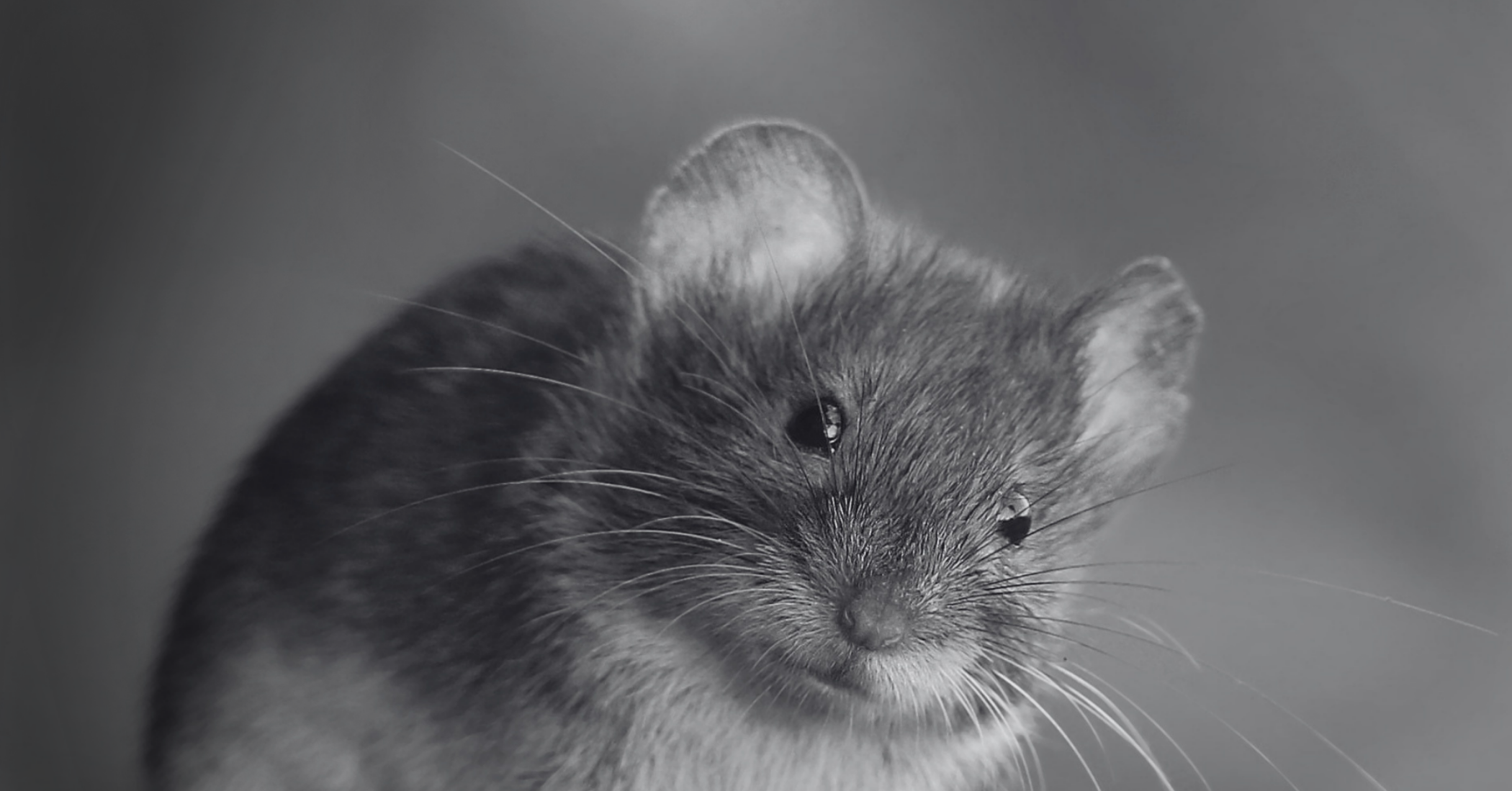
Their bodies were tiny. Their skulls were fragile. During a surgery performed at the University of Colorado Boulder, two young prairie voles suffered fatal cranial injuries at the hands of a lab worker.
According to records we obtained, the pre-weanling voles underwent ovariectomy surgeries on May 2, 2025. They “died rapidly” during the immediate recovery period.
The animals’ necropsies revealed grievous skull injuries and subcranial bleeding.
The likely cause of death was determined to be the incorrect use of “ear bars”—metal rods researchers use to immobilize animals’ heads during certain procedures.

In this case, the university’s own Attending Veterinarian confirmed that ear bars weren’t standard practice for this type of surgery and their use hadn’t been included in the approved protocol.
CU Boulder Called It Noncompliance
The university’s Institutional Animal Care and Use Committee (IACUC) discussed the incident at a convened meeting later that month.

Its conclusion was clear: the animals’ deaths represented “a clear example of noncompliance with the protocol.”
The IACUC accepted the lab’s corrective actions, which included nothing more than updates to their standard operating procedures and retraining for the lab worker who killed the voles.
Then the report was sent to the National Institutes of Health’s Office of Laboratory Animal Welfare (OLAW).
OLAW’s response was something we see again and again: the agency “concur[red]” with the university’s actions and accepted that measures had been implemented to supposedly correct the “problem.”

Two animals were dead, their skulls cracked between tight metal rods in their ears.
But the paperwork was treated as accountability.
And the case was closed.
This Is What Oversight Looks Like
The animal research industry asks the public to trust its claimed oversight systems.
We’re told that protocols protect animals, that committees review experiments, that veterinarians supervise care. We’re expected to believe that federal agencies step in when something goes wrong.
But this record illustrates what that oversight looks like in practice.
A research lab used equipment that wasn’t standard for the surgery and wasn’t included in the approved protocol. Two young animals suffered deadly skull injuries. The institution investigated itself, prescribed some paperwork and retraining, and federal oversight accepted that response.
There’s no undoing what happened to those voles.
There’s only a self-perpetuating, self-protecting system that absorbs animals’ deaths, labels the incidents “noncompliance,” and moves on. In the animal research industry, this is business as usual.
The Animals Pay the Price
To the research institution, this was just one of many reportable adverse events.
To OLAW, it was one case number among thousands they review each year.
To the oversight system, it was a problem to be “correct[ed]” through standard operating procedures and retraining.
But to the living beings who were killed, it was everything.

The voles were living, breathing individuals whose skulls were crushed during a procedure they couldn’t understand, consent to, or escape.
Their deaths should force a question the oversight system isn’t built to answer:
If animals in labs can be harmed and killed without consequence and in violation of federal regulations even when protocols exist, committees meet, veterinarians review, and federal agencies sign off—then what, exactly, does this system exist to protect?
The answer is clear: not the animals, but those who hurt them.
Your Call to Action: The only way to truly protect animals in labs is to liberate them from the entire system. Urge your legislators to support the SPARE Act now.
The Safeguard Pets, Animals, and Research Ethics (SPARE) Act aims to end federally funded animal research. If enacted, this bill would prohibit testing on animals in federally funded labs, phase out existing animal experiments, redirect taxpayer dollars to non-animal methods, and move “research animals” to caring homes or sanctuaries.