Here’s a roundup of the latest, biggest news stories related to animal research—all the recent media coverage you need to know right now to be the most effective activist for animals in labs.
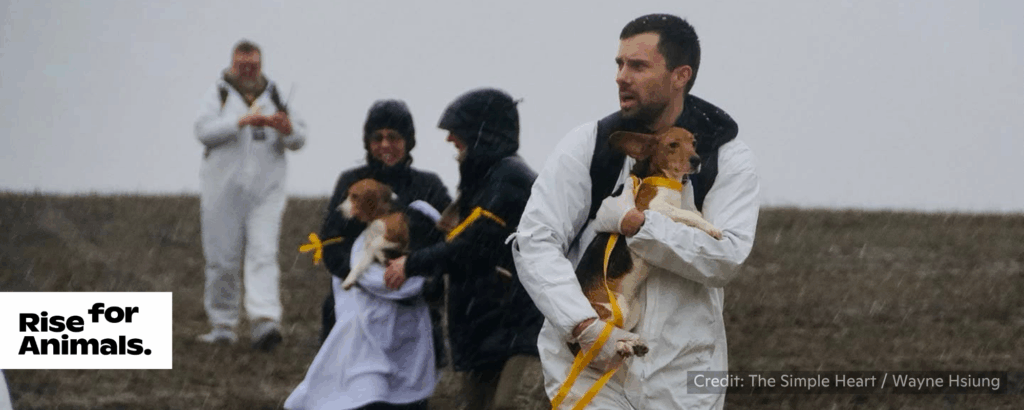
Animal Advocates Rescue Dogs, Shatter the “Lab Dog” Lie
Rise for Animals, 3/17/2026
Last Sunday morning, animal advocates entered Ridglan Farms—the country’s second-largest breeder of dogs for experimentation—and carried victims out.
Twenty-two dogs made it to safety and are now experiencing life outside cages for the first time. 📰 Read, Watch, and Take Action →
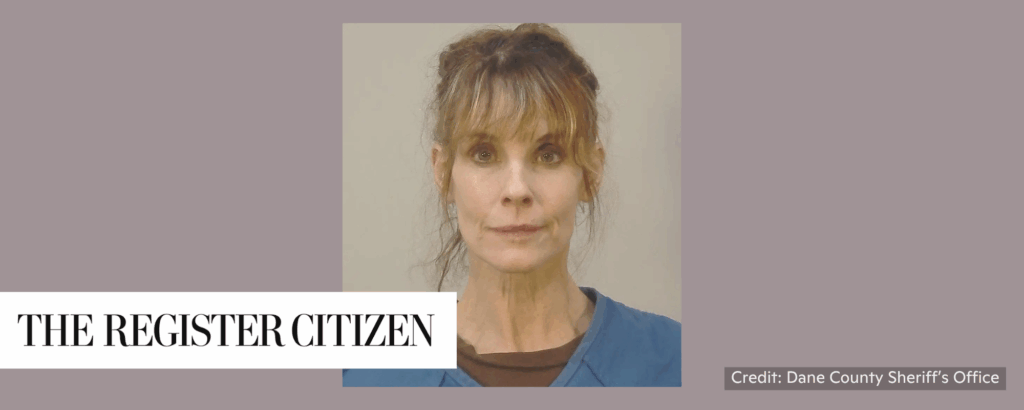
Baywatch actress from Connecticut arrested at Wisconsin dog breeding protest
Jesse Leavenworth, The Register Citizen, 3/17/2026
“Alexandra Paul, a Connecticut native and actress known for her role on Baywatch, was arrested along with other animal activists at a beagle breeding and biomedical research facility in Wisconsin Sunday. . . . Paul was among 50-60 protestors who entered the property [belonging to Ridglan Farms] without permission . . . Some activists broke into the facility and began removing dogs.”
“Animal activists [] call Ridglan ‘a living hell’ for beagles that are kept in small, stacked cages and subject to cruel treatment and experimentation, according to Rise for Animals, a national animal rights organization.” 📰 Full Story →
Much-criticised laws banning animal research repealed
Fabio Turone, Research Professional News, 3/12/2026
“Italy has repealed bans on the use of animals in research on substance abuse and transplanting animal organs into humans, ending a restriction that was written into law in 2014 but was repeatedly postponed and never took effect.”
“The revocation, which was formally approved last month, amends Italy’s implementation of an EU directive from 2010 on the protection of animals used for scientific purposes. Directives leave scope for EU member states to implement rules in different ways, and Italy had been an outlier in its interpretation of this one….”
“‘We are relieved, because the scientific community was also worried that these laws might lead to further restrictions in the future,’ Giuliano Grignaschi, head of animal care at the University of Milan and secretary-general of Research4Life, told Research Professional News.” 📰 Full Story →
Taxpayer-Funded Mizzou Lab Accused of Abusing Cats in Cruel Experiments
Jefferson City Today, National Today, 3/12/2026
“The non-profit White Coat Waste (WCW) has uncovered disturbing evidence of animal abuse at the University of Missouri-Columbia (UMC), where taxpayer dollars are funding barbaric procedures on cats, including former pets sourced from local shelters. UMC has received $528,052 in NIH funding for experiments that involve cutting open cats’ skulls, forcing hyperventilation, and delivering electric shocks to their voice boxes. Despite promises to phase out animal testing, the NIH has allowed the cruel experiments to continue.” 📰 Full Story →
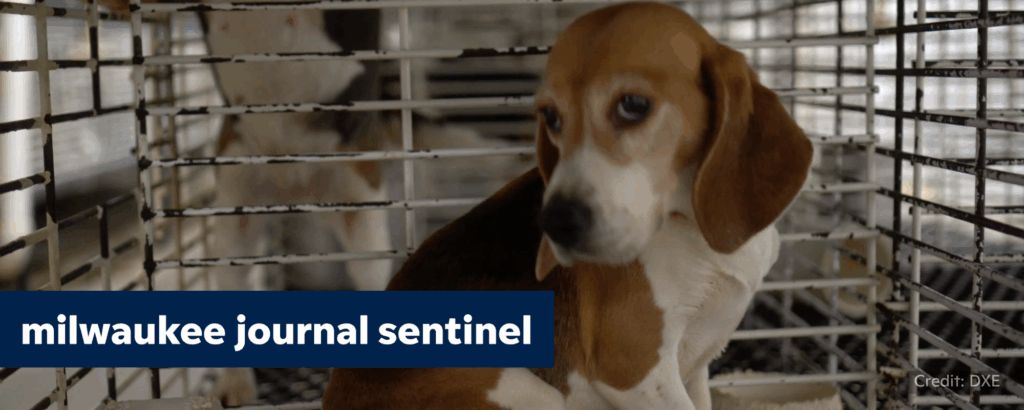
Activists stormed into a Wisconsin beagle farm and took 23 dogs. What to know
Quinn Clark, Milwaukee Journal Sentinel, 3/16/2026
“Dozens of activists broke into a Wisconsin beagle breeding facility and took more than 20 dogs to an undisclosed location on March 15, resulting in several arrests. The incident is the latest development in a dispute between animal rights activists and Ridglan Farms that has been playing out for nearly a decade.”
“Ridglan Farms is a facility in Blue Mounds, about 30 miles outside of Madison, licensed by the state as a dog breeding operation. It breeds thousands of beagles and sells them to laboratories for medical and scientific testing and has operated for nearly 60 years. . . . Animal rights groups have spent years trying to shut Ridglan Farms down.”
“[Wayne Hsiung, an animal rights attorney and co-founder of Direct Action Everywhere, a national animal rights organization], who helped lead the operation was arrested . . . ‘The conditions [in jail] are infinitely better than at Ridglan,’ Hsiung’s statement said. ‘I can walk around without running into a cage wall.’”
“Animal rights groups have pushed for the remaining dogs to be adopted out rather than sold to other labs.” 📰 Full Story →
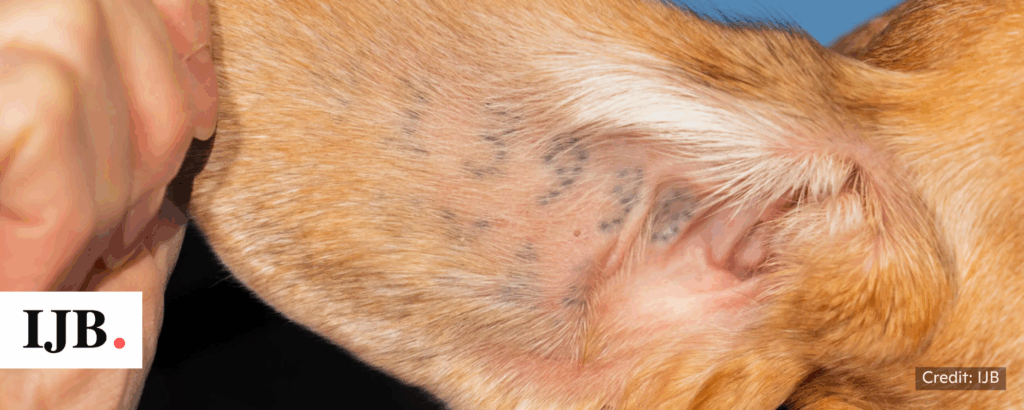
Two major Ontario hospital labs bought research dogs from U.S. breeder with troubled past
Masih Khalatbari, Robert Cribb, Jenna Olsen, Allison Hunter, Samantha Marshak, Investigative Journalism Bureau, 3/17/2026
“At least two Canadian hospital research labs have imported dogs for scientific research from a U.S. breeder cited for repeated animal care violations, the Investigative Journalism Bureau has found. The University Health Network (UHN) in Toronto, which says it no longer uses dogs for research, and the Lawson Health Research Institute in London, Ont., which recently shut down its dog testing program, have been past customers of Marshall BioResources.”
“Marshall, an industrial-scale breeding operation in upstate New York, has been cited by federal inspectors for injuries and sores on its animals, mould-covered food and feces-filled cages in multiple areas of its facility. In all, inspectors logged 11 violations against Marshall involving numerous dogs and cats between 2021 and 2024.”
“ . . . more than 17,800 dogs entered Canada through the U.S. for research purposes between 2019 and 2025, according to data from the Canadian Border Service Agency obtained by the IJB. Research facilities in Canada purchase purpose-bred dogs — animals specifically meant for scientific testing — from specialized U.S. breeders . . . ‘’We’re colluding with a system that creates abuse and neglect, and that’s very much a problem.’ [said Dr. Kerry Bowman, a bioethicist at the University of Toronto]” 📰 Full Story →
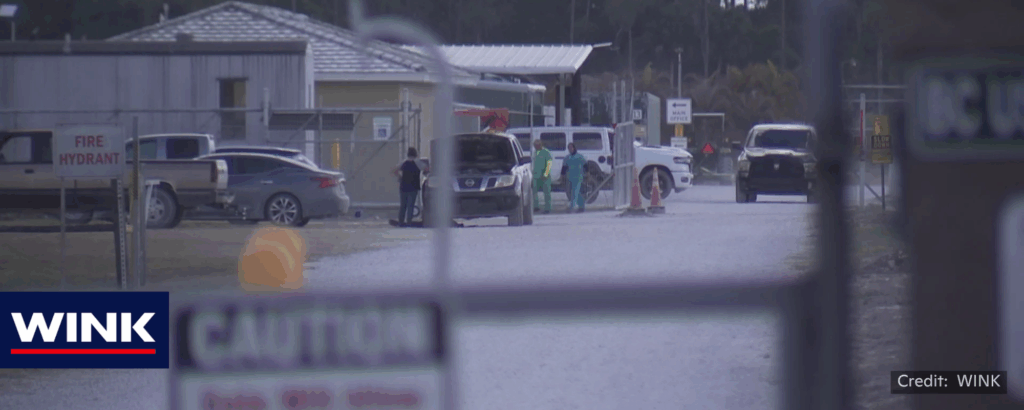
Immokalee primate facility gets second citation, monkey mistakenly sent to Miami waste facility
Olivia Jean, WINK, 3/17/2026
“Federal inspectors have cited a biomedical primate research facility in Immokalee for the second time after a monkey was mistakenly transported to a biomedical waste facility in Miami. The new citation comes just weeks after the same facility was cited for a critical violation of the Animal Welfare Act following the deaths of two monkeys exposed to extreme heat in January.”
“The incident happened on Jan. 28 when [BC US LLC] received a shipment of approximately 300 nonhuman primates . . . Inspectors say staff transferred the animals into quarantine enclosures, but an animal care technician mistakenly identified one crate as empty. The crate — with a monkey still inside — was removed and placed in a disposal container that was transported offsite. On Feb. 2, an employee at a third-party waste disposal company discovered the monkey when opening the container. The animal was darted, recovered and identified as belonging to BC US LLC. It was transported back to the Immokalee facility and later euthanized due to bio-containment concerns.”
“Rob Howell, a primatologist and Florida naturalist, who is also known as ‘Ranger Rob,’ studied behavioral zoology and primates. He says he believes many people are unaware primate research facilities operate in Southwest Florida. ‘Behind the scenes, there’s a lot of medical industry and research down here in Florida,’ Howell said. ‘Before they go to human testing, they usually go to primate testing, which is monkeys and apes.’ Howell said incidents like this raise broader questions about the industry. ‘When animals are dying from not even the tests that they’re doing on the animals, just their living facilities, that tells me something needs to be done dramatically,’ Howell said.” 📰 Full Story →
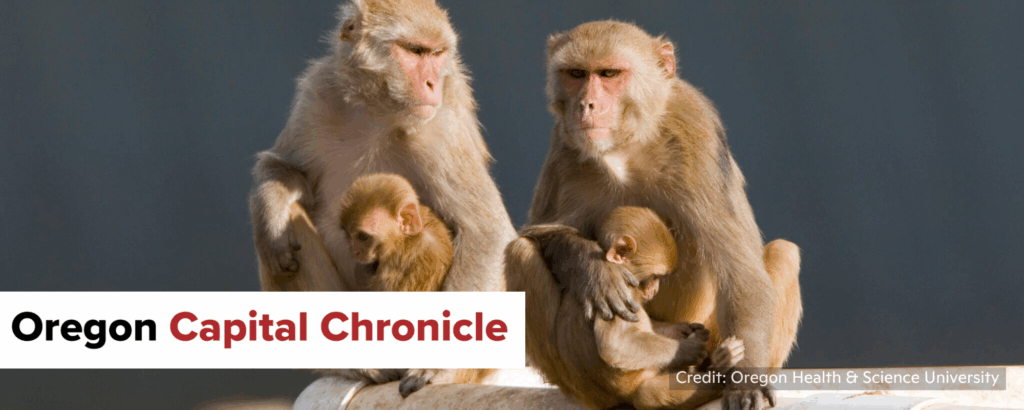
Why to transition OHSU’s National Primate Research Center to a sanctuary
Emily Talkington, Oregon Capital Chronicle, 03/18/2026
“As a wildlife veterinarian specializing in monkeys, I applaud Oregon Health & Science University’s recent decision to negotiate with the National Institutes of Health to end experiments on monkeys and to consider transitioning the Oregon National Primate Research Center into a sanctuary.”
“While animals have some superficial similarities to humans, using them in research is largely futile and ignores biological differences that lead to difficult and rare translation to human biology and clinical benefit. Beyond the translational problem lies a biological and ethical one. Monkeys are highly social, cognitively complex animals who in the wild live in dynamic groups and travel long distances daily. In laboratories, they are confined to artificial environments that are loud, restrictive and stressful. Chronic stress elevates cortisol, suppresses immune function and alters physiology — confounding experimental outcomes. Infections, wounds and abnormal repetitive behaviors such as self-mutilation, plucking hair and biting cage bars are common signs of compromised welfare.”
“In laboratory settings, captive monkeys are not allowed to express natural behaviors, as they are not housed in appropriate social groups nor allowed the opportunity for calm and quiet that is required in order to maintain physical and mental health. They may be completely isolated. Some may even require medication to help them survive the solitary confinement.” 📰 Full Story →
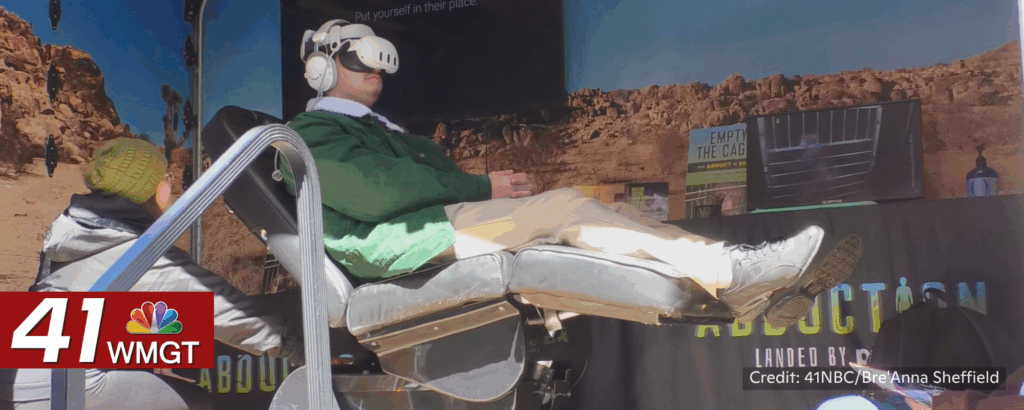
PETA brings virtual reality animal testing simulator to Macon
Bre’Anna Sheffield, 41 WMGT, 3/18/2026
“peta2, an offshoot of PETA (People for the Ethical Treatment of Animals) aimed at reaching young people, according to their website, brought what they call an abduction simulator to Middle Georgia State University Wednesday. The experience used virtual reality to mimic what lab animals go through. Tour administrator Makayla Hooper says the goal is to show people that animals feel pain and fear, just like humans.” 📰 Full Story →
US FDA pushes for new methods to replace animal testing in early drug studies
Siddhi Mahatole, Reuters, 3/18/2026
“The U.S. Food and Drug Administration on Wednesday issued a draft guidance to help companies reduce animal studies of experimental drugs and adopt newer methods, such as computer simulations and devices that mimic functions of human organs.”
“Under the new draft guidance, the FDA has recommended using newer non‑animal testing tools – known as new approach methodologies, or NAMs – when companies submit nonclinical safety data to support a drug application. ‘This draft guidance advances our commitment to replace animal testing with human‑relevant, scientifically rigorous methods,’ U.S. Health and Human Services Secretary Robert F. Kennedy Jr. said.”
“These methods, which also include lab‑based cell tests and 3D models such as organoids – mini organs grown from human cells – are aimed at making the drug development process more efficient, cheaper and ethical, the FDA said. ‘Modern science has given us far more effective and humane ways of evaluating drug safety than animal testing,’ FDA Commissioner Marty Makary said.” 📰 Full Story →
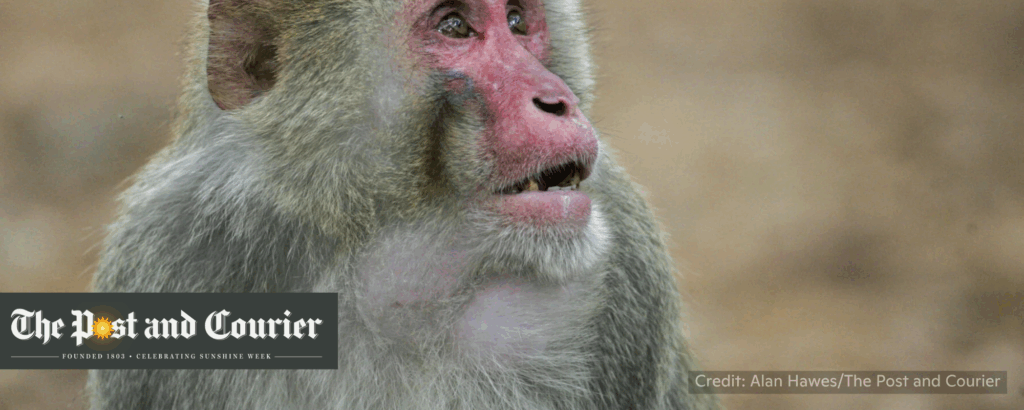
Feds keep Monkey Island on life support as animal testing debate rages
Marilyn W. Thompson, Post & Courier, 3/18/2026
“A federal health agency faced with a public outcry over its use of animals in medical research will spend another $4.3 million to keep South Carolina’s secretive Monkey Island on life support. The funding will provide ‘food, water and veterinary care’ for about 4,000 rhesus monkeys while Health Secretary Robert F. Kennedy Jr. and other senior officials move toward expensive new techniques intended to eliminate the need for animal testing, a Trump administration priority.”
“Continued funding for Morgan Island, the barrier island known by locals as Monkey Island situated north of Beaufort, shows that while debate rages around the issue, the federal government will keep its valuable rhesus monkey breeding stock in a holding pattern. The island is run by Alpha Genesis, a contractor that also has a gigantic monkey farm in Yemassee.” 📰 Full Story →

WSU cancels horse surgery course after public backlash
Anthony Kuipers, The Lewiston Tribune, 3/18/2026
“Washington State University announced Monday it is canceling its equine surgery course after receiving ‘threatening and hostile communications’ regarding its treatment of the animals.”
“Animal rights groups PETA and In Defense of Animals released statements condemning the practice of performing surgery on healthy horses, which they say would have resulted in the animals’ deaths. Both organizations praised WSU for canceling the program.”
“Animal rights groups say the university could do more. They claim WSU has a similar surgical course involving goats and they are asking the university to protect those animals as well.” 📰 Full Story →
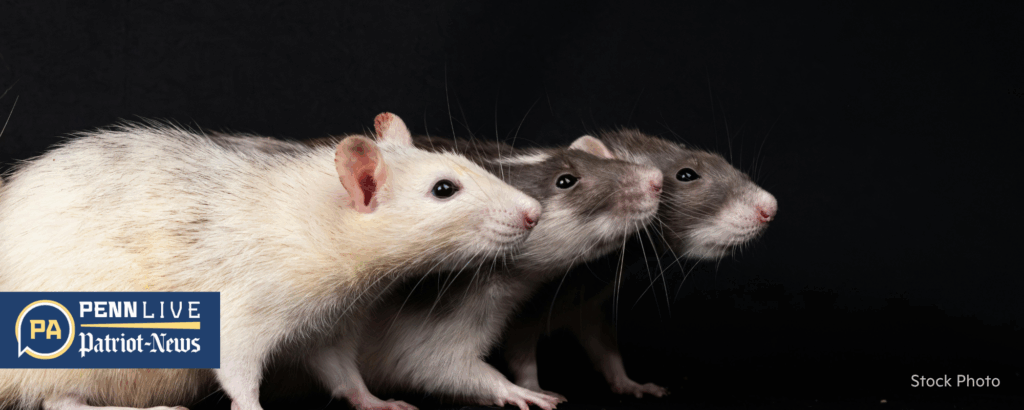
Penn State’s ‘truly barbaric’ experiment led to self-mutilation by lab rats: watchdog group
Madison Montag, PennLive Patriot-News, 3/19/2026
“A national watchdog group has filed an administrative complaint with Penn State’s president after an unpublished report from the university said nearly a dozen rats were subjected to so much pain they mutilated themselves.”
“All 15 of the rats included in the study underwent ‘sciatic nerve surgery.’ After undergoing surgery . . . which [Stop Animal Exploitation Now! (SAEN)] says is known to be ‘extremely painful,’ the rats showed psychological abnormalities. The report noted 11 of the 15 rats (or about 73%) eventually engaged in the ‘self-mutilation of their limbs.’ The 11 rats that engaged in ‘self-multilation’ were later euthanized.”
“The formal complaint sent to Penn State President Neeli Bendapudi Tuesday described the study as ‘truly barbaric,’ “‘sadistic’ and called for its immediate end.” 📰 Full Story →
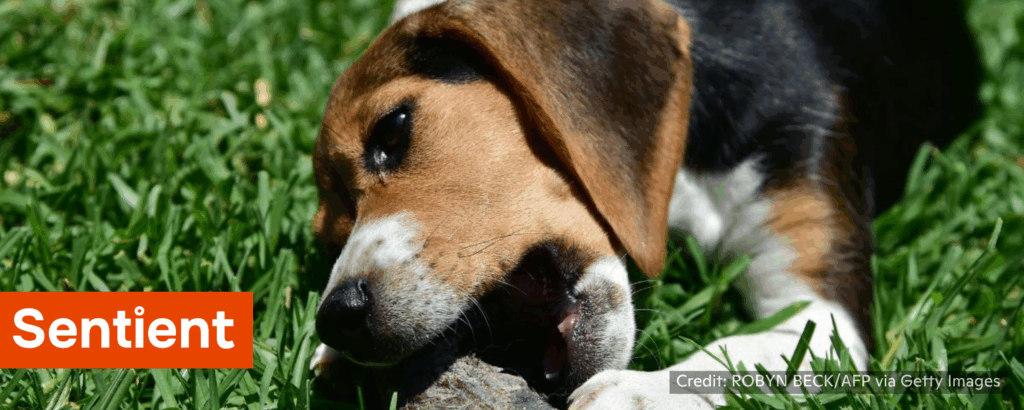
Beagles Are Still Bred on Farms for Testing and Research, an Open Rescue Reveals
Jessica Scott-Reid, Sentient, 3/19/2026
“When you think of a factory farm, the animals that come to mind are probably pigs, cows and chickens. But in the U.S. and elsewhere, a number of these operations also breed dogs for use in animal testing and research. This past weekend, Dane County authorities say several dozen animal rights activists broke into one such facility, Ridglan Farms in Blue Mounds, Wisconsin, to rescue 22 beagles from confinement, according to an activist with Simple Heart.”
“ . . . activists are alleged to have entered one of the buildings at Ridglan Farms, a dog breeding operation that has been reported to house around 2,500 dogs at any given time. The action was organized by the Coalition to Save the Ridglan Dogs, led by animal rights activist Wayne Hsiung. Authorities tell local media that around 20 activists were arrested, including Hsiung, after they allegedly cut fencing and broke into one of the buildings.”
“Ridglan Farms is one of the two largest facilities in the U.S. where beagles are bred for use in research labs. . . . Ridglan Farms was the target of a previous open rescue in 2017, when activists from Direct Action Everywhere entered the facility and documented beagles confined to cages. Activists later faced felony burglary and theft charges after removing three beagles. These charges were ultimately dismissed in 2024 just before trial. Activists in turn pushed for a criminal investigation into Ridglan for alleged animal cruelty. Rather than pursue criminal charges however, the case was resolved through a settlement requiring Ridglan to cease breeding and selling dogs for laboratory research by July 2026.” 📰 Full Story →
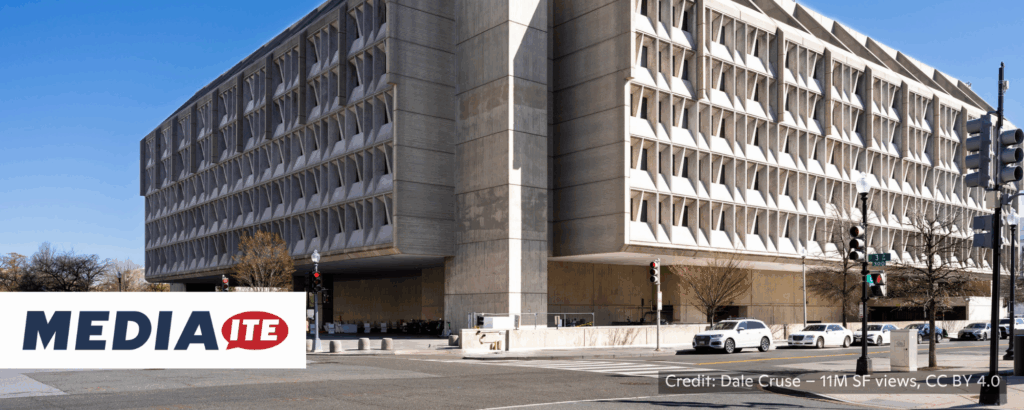
‘Rogue’ HHS Staffer Changed Agency Voicemail to ‘Thanks for Calling Domino’s Pizza!’ After Influx of Protest Calls
Sarah Rumpf, Mediaite, 3/19/2026
“A contact phone number for the Department of Health and Human Services temporarily played an unexpected message seemingly from a pizza chain, because a ‘rogue’ staffer changed it after an influx of calls protesting animal testing.”
“The kerfuffle began when White Coat Waste Project, a group that advocates against taxpayer-funded animal testing, posted on its social media accounts urging its supporters to call HHS and ask them to ‘cut funding for cat testing’ at a National Institutes of Health-funded lab at the University of Missouri. The post specifically mentioned HHS Secretary Robert F. Kennedy Jr. by name and listed two phone numbers for supporters to call. . . . WCWP senior vice president Justin Goodman told Politico Pulse that when his organization first posted the phone number, ‘a human was answering,’ then the number went straight to voicemail on Friday, and by this Tuesday, the number played the Domino’s Pizza message.”
“Reached for comment by Politico, HHS spokesperson Andrew Nixon provided a statement that the Domino’s Pizza voicemail was ‘an unauthorized action by a rogue employee and not representative of HHS,’ and added that the phone number was now back to normal.” 📰 Full Story →
Help spread the word. Share this news compilation on Facebook, X, or Bluesky.