Think News Articles

Think
COYOTE VS. ACME Puts Vivisection on Trial
Lindsey Soffes, Rise for Animals, October 8, 2026
The film turns Wile E. Coyote’s lifelong suffering into something unexpectedly familiar: a story on animal testing, corporate power, and what it takes to fight back.
Think
NIH Is Investing in NAMs, But Will Animals Be Spared?
Lindsey Soffes, Rise for Animals, October 6, 2026
NIH is investing millions in NAMs—but new technologies don’t necessarily mean fewer animals in labs.
Think
What If AI Treats Us Like We Treat Animals?
Lindsey Soffes, Rise for Animals, October 1, 2026
AI is learning from the way human beings treat other animals—and someday, AI could apply that same logic to us.
Advocate
False Divide Between Animal Research & Animal Agriculture
Rise for Animals, September 17, 2026
Animal research and animal agriculture aren’t separate fights—and treating them that way may be weakening our movement.
Think
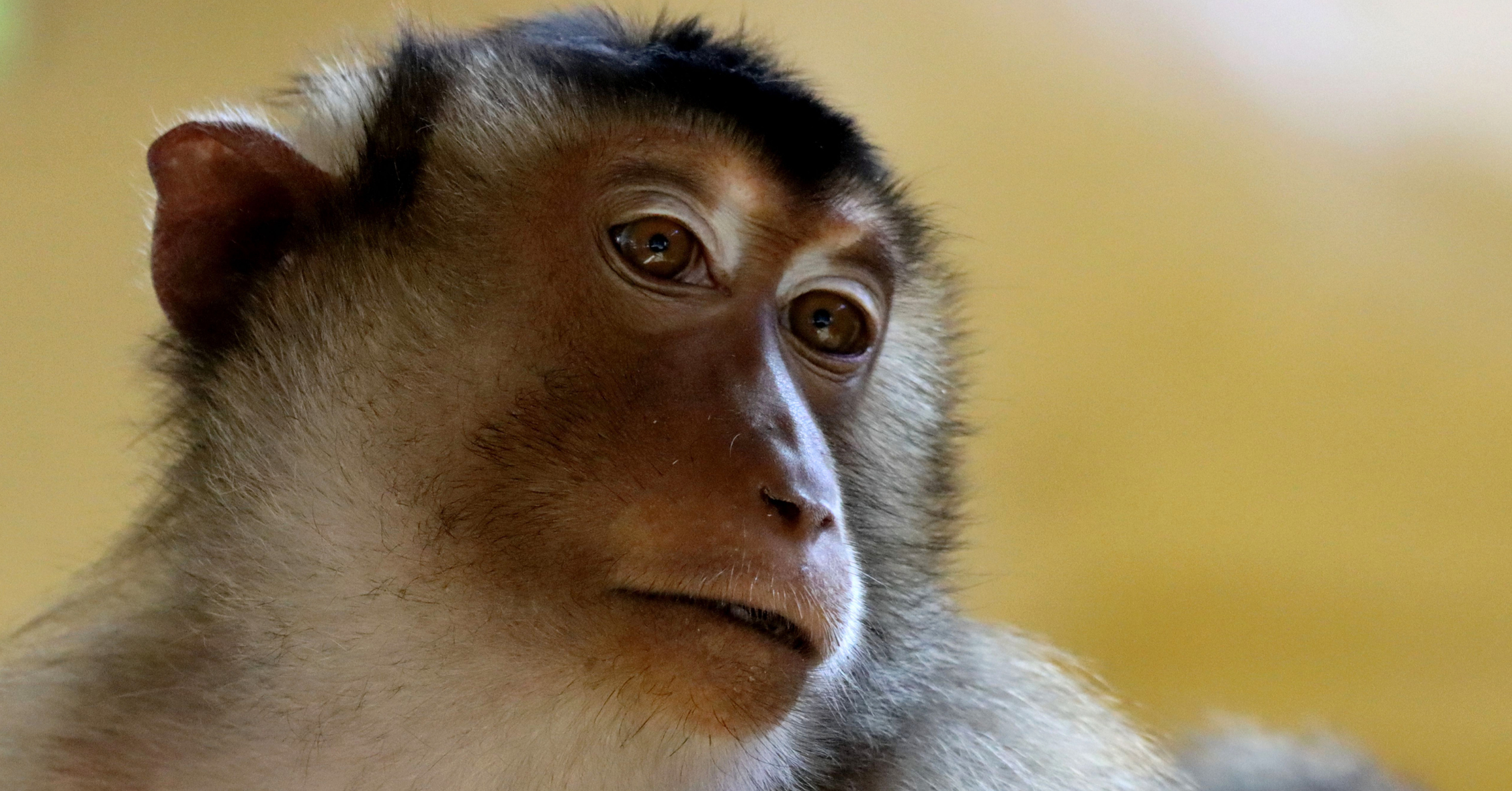
How to Make a Monkey Killable
Lindsey Soffes, Rise for Animals, September 1, 2026
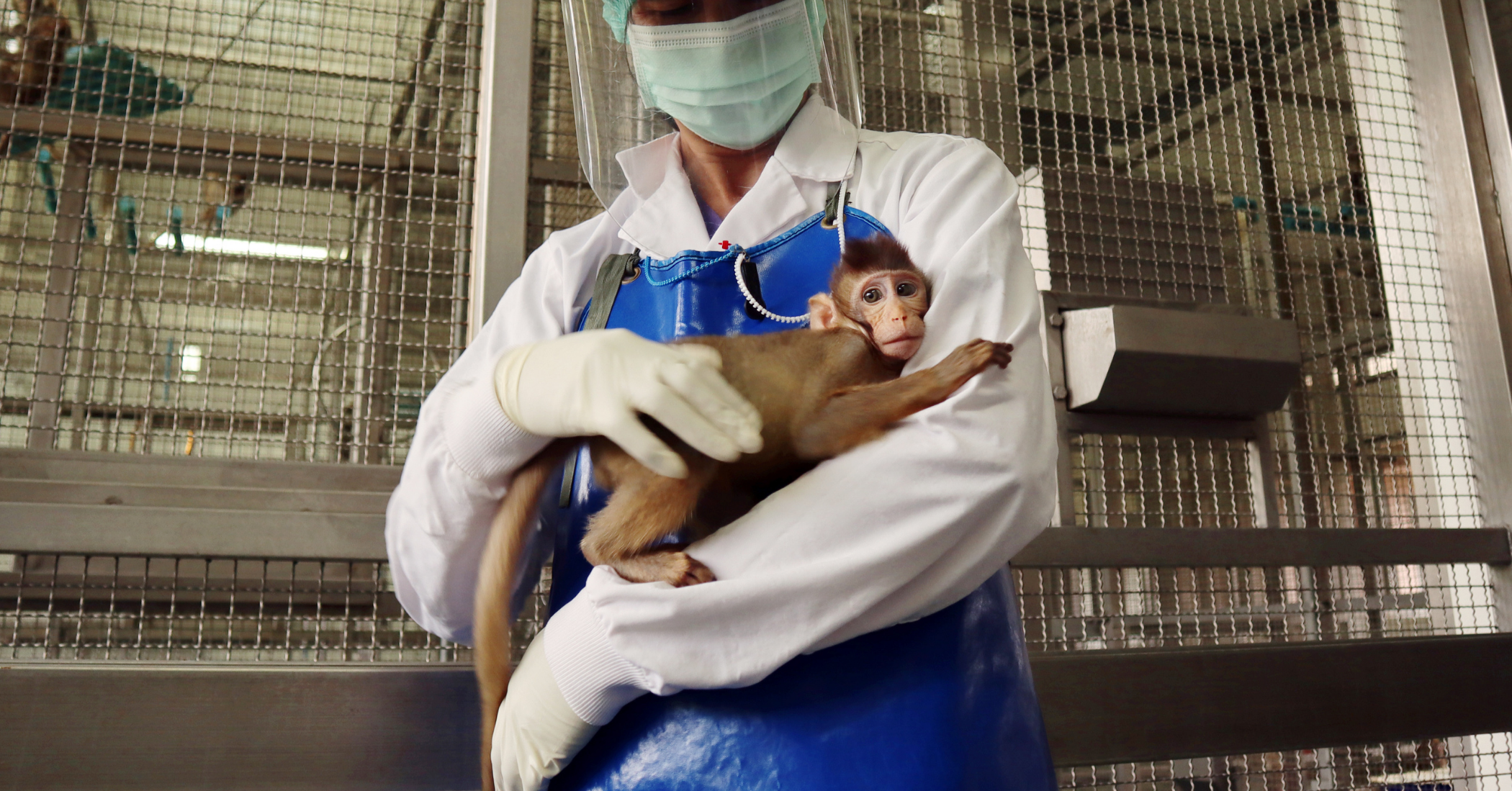
Calling monkeys “pests” recasts living beings as problems and serves to wrongly justify their exploitation as a "necessary evil."
Think
The Lab Vet’s Job Is Not to Protect Animals
Lindsey Soffes, Rise for Animals, August 5, 2026
A survey asks Americans to trust veterinarians to protect animals in labs—but the lab vet’s real job is to keep animal experiments running.
Investigate
Inside the Poll Built to Save an Oregon Primate Lab
Lindsey Soffes, Rise for Animals, July 30, 2026
A new Ipsos poll claims Americans support animal research—but its sponsor, sample, and leading questions tell a very different story.
News
No Sanctuary at Oregon’s National Primate Research Center
Lindsey Soffes, Rise for Animals, July 29, 2026
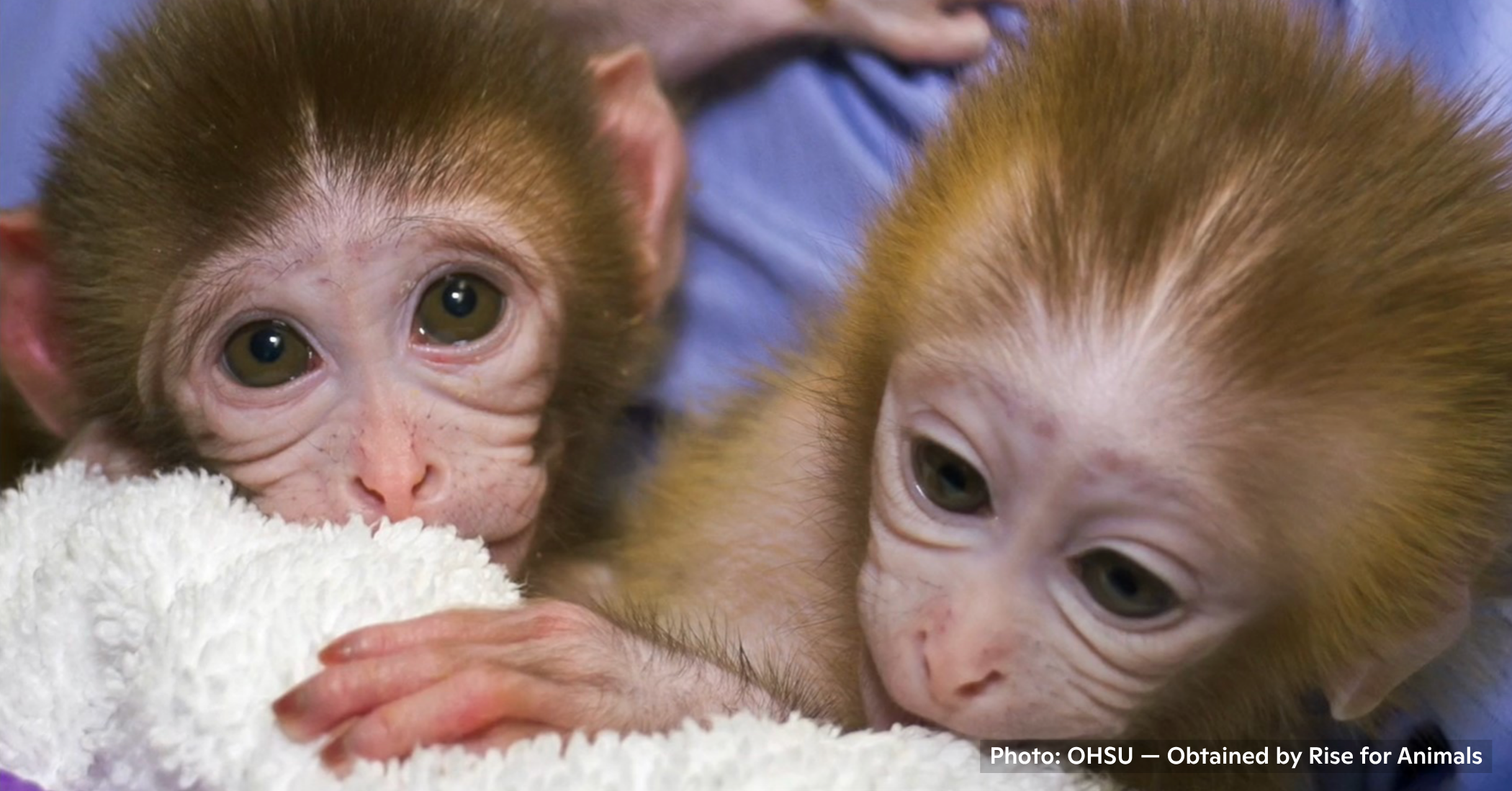
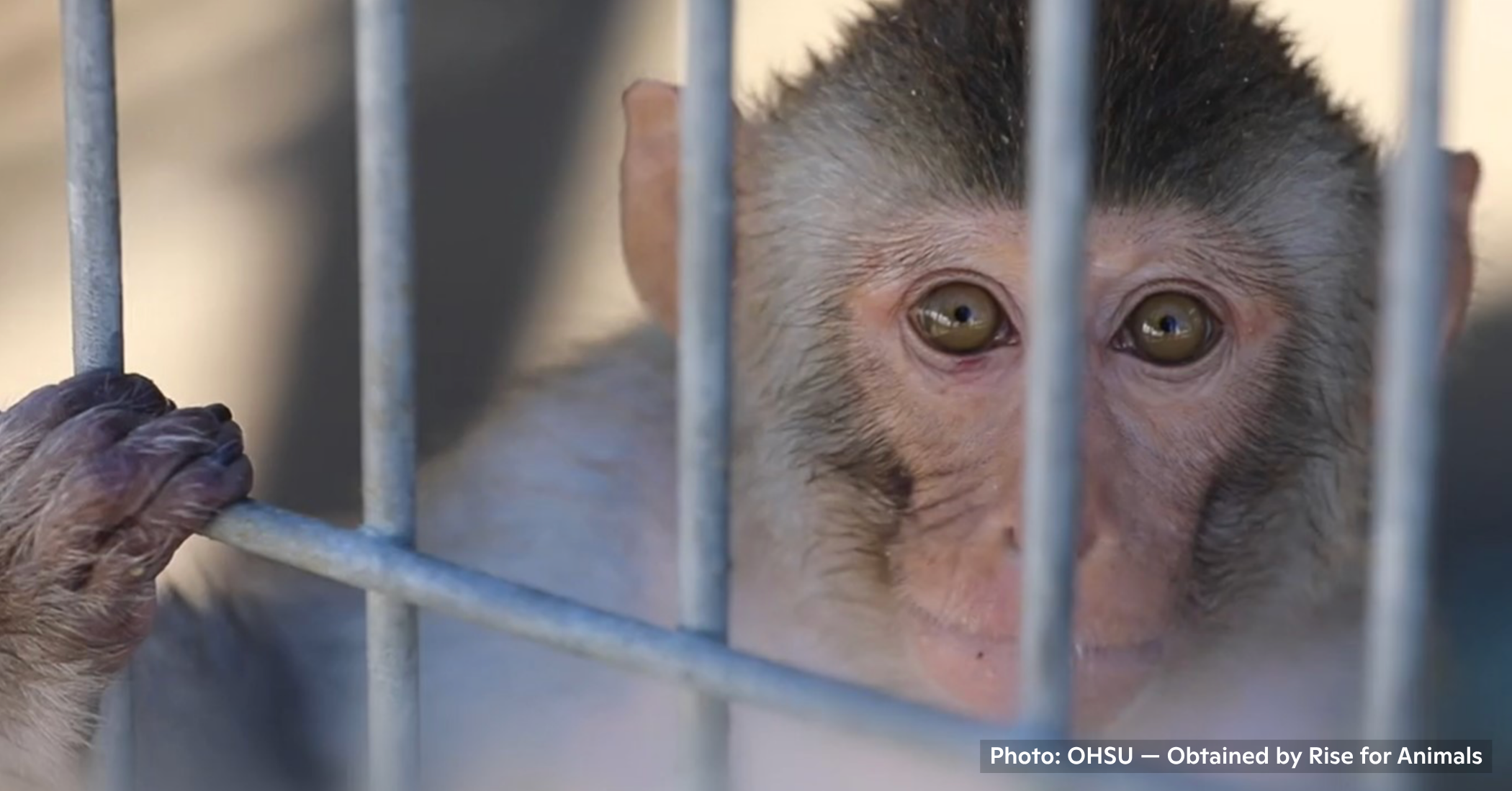
OHSU rejected sanctuary—and its alternative leaves thousands of monkeys in cages, experimentation intact, and nearly every meaningful question unanswered.
Investigate
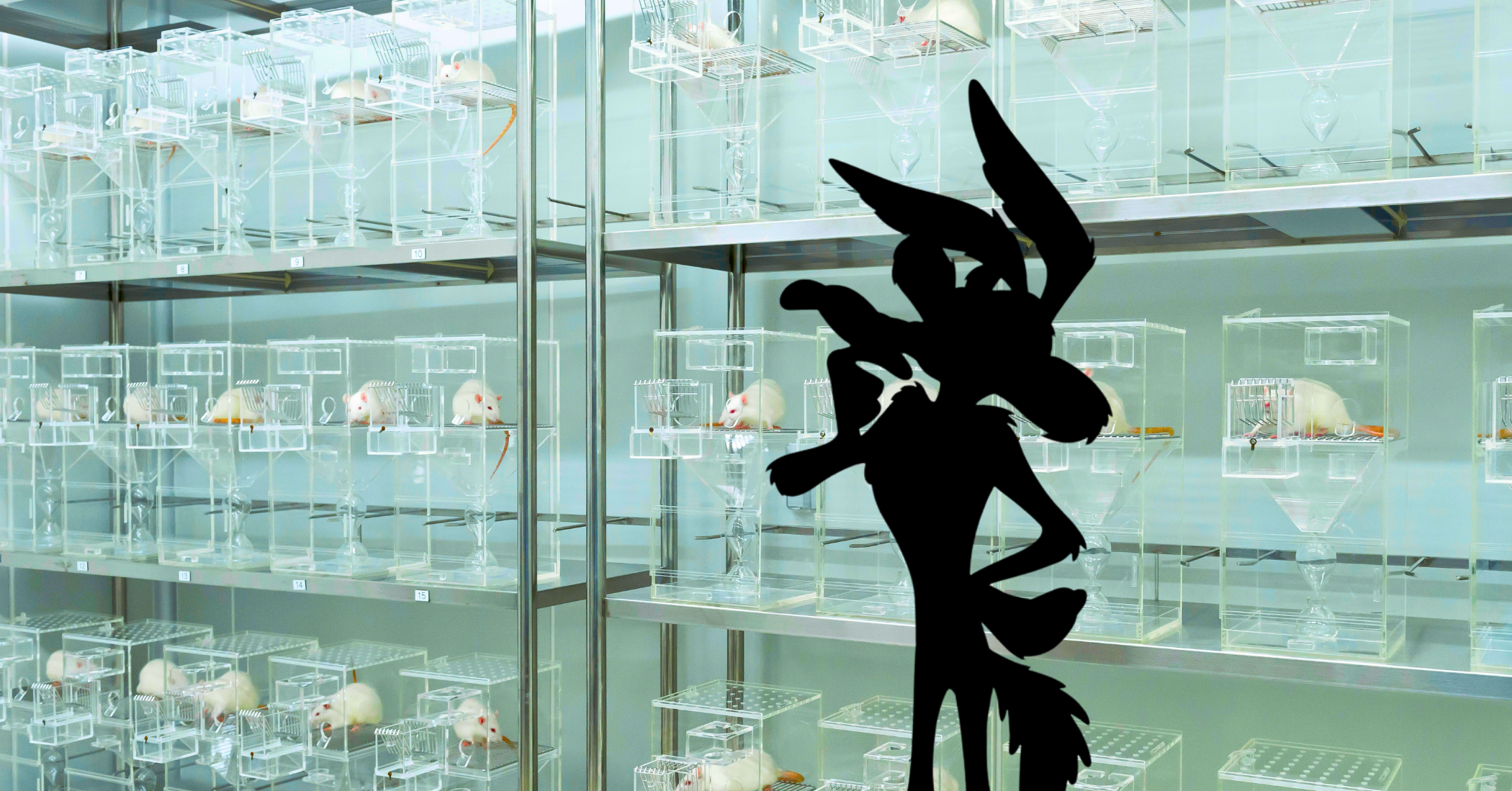
Animal Researchers Got Basic Human Blood Science Wrong
Lindsey Soffes, Rise for Animals, July 23, 2026
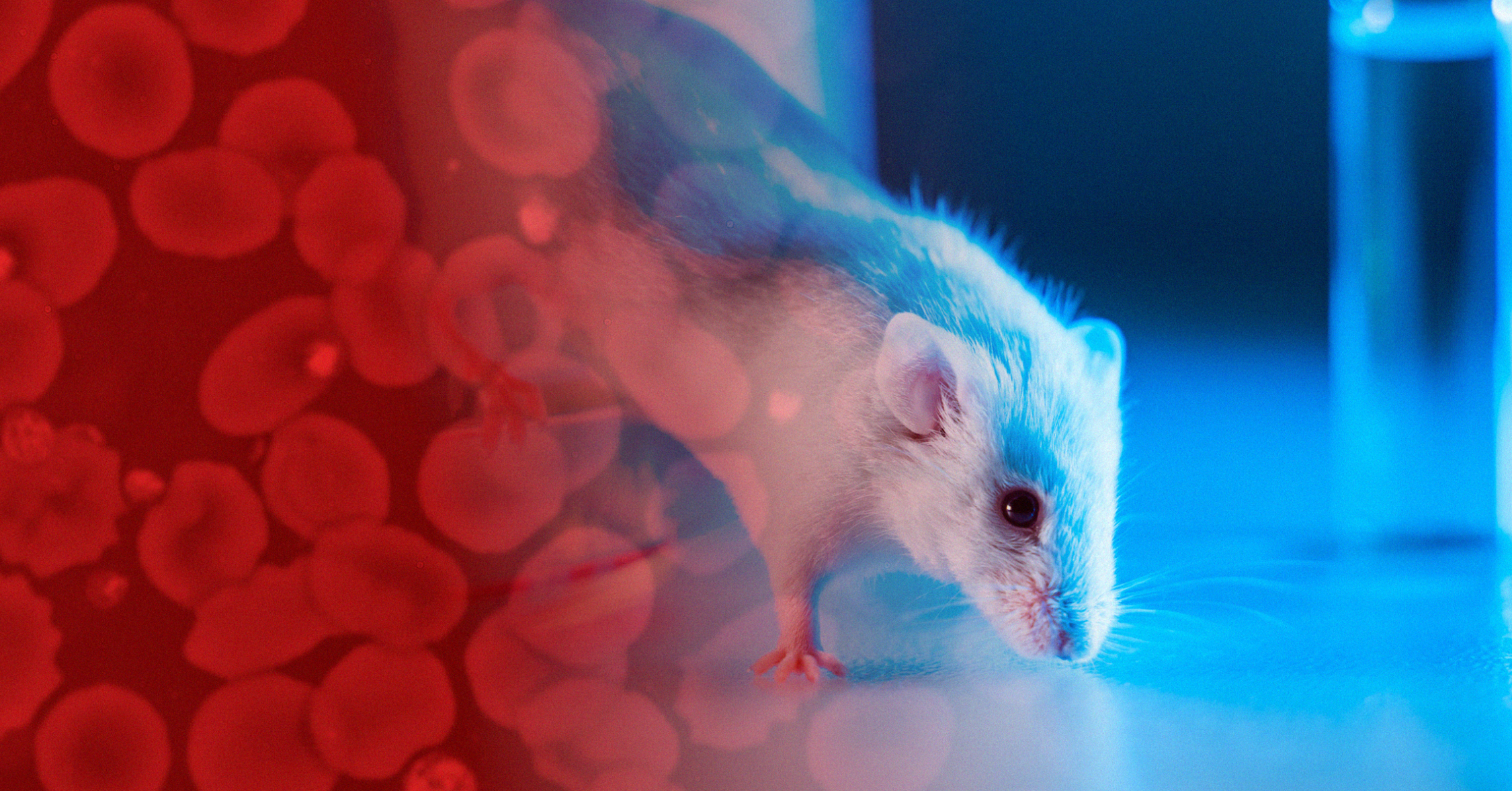
A Northwestern study reveals that humans and mice form red blood cells differently—overturning decades of assumptions based on animal research.